


WORLD CUP 2026 | Pop Up Canopy & Trade Show Tents Powering the Fan Zone Experience
WORLD CUP 2026
Pop Up Canopy & Trade Show Tents Powering the Fan Zone Experience
How Advertising Tents Are Redefining Sports Event Infrastructure
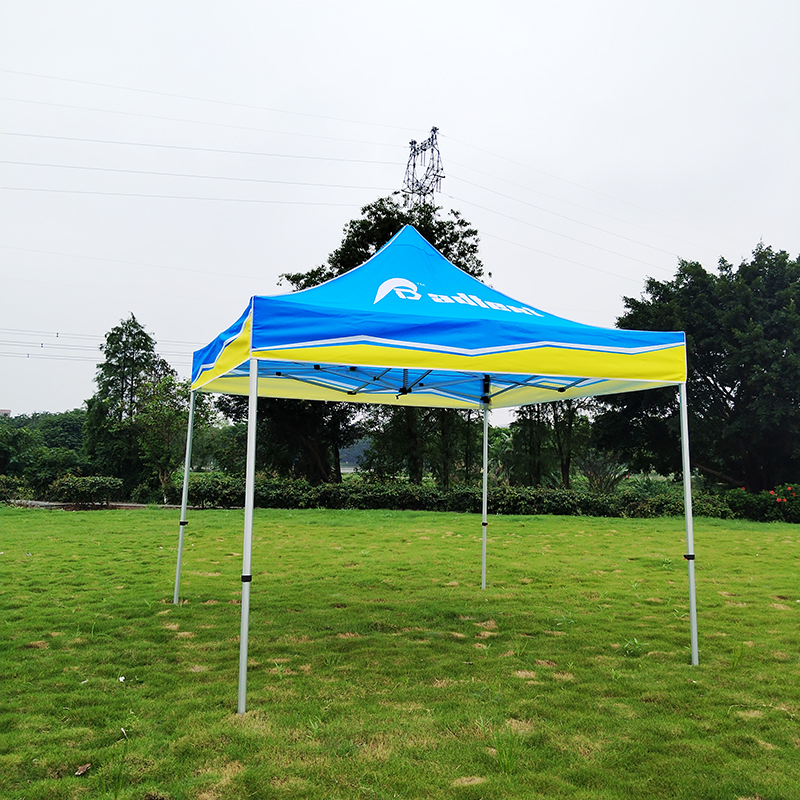
Figure 1: Premium pop up canopy tent deployed at outdoor event venue
Introduction: The Tent That Changed the Game
On June 11, 2026, when the opening whistle blows at MetLife Stadium in New Jersey, 90,000 fans will cheer in person — but over 1.2 million more will gather at official Fan Fest locations across North America. Behind each of those vibrant, shaded, branded gathering spaces stands a piece of infrastructure that most spectators take for granted: the pop up canopy. In the trade, these are also known as advertising tents, display tents, or exhibition tents — and they are experiencing a demand surge unlike anything the industry has seen in decades.
This report explores how the trade show tent industry is meeting the once-in-a-generation opportunity of World Cup 2026. Through real customer stories, hard market data, and technical product analysis, we provide event organizers, municipal planners, brand activation managers, and procurement professionals with the insights they need to make informed sourcing decisions — before the global supply chain tightens in early 2026.
A Customer Story: 48 Hours to Cover 12,000 Fans
The Crisis: It was June 5, 2023, and the temperature in Dallas was forecast to hit 41°C (106°F) on the day of a major World Cup qualifier watch party at Fair Park. Juan Martinez, operations lead for the city's major events office, had secured 40 pop up canopies — but the delivery truck from a national rental chain broke down on I-35, 180 miles away. With 12,000 registered attendees and a heat warning in effect, Martinez faced a potential public safety disaster.
"I was looking at a $2 million insurance liability if we couldn't provide shade," Martinez says. "Not to mention the PR nightmare of fans collapsing from heat exhaustion on live television."
The Pivot: Martinez's team found a local supplier of advertising tents with inventory in stock. They selected 10×10ft and 10×20ft units with fire-retardant canopy fabric, custom-printed sidewalls, and heavy-duty anchor systems. The supplier delivered 60 units within 36 hours. Installation took a crew of 12 people, 4 hours.
The Outcome: Zero heat-related incidents. Sponsor Coca-Cola reported a 22% increase in product sampling volume compared to the previous year's event (attributed to the shaded, high-traffic tent village). The city renewed the contract for three additional events. Total cost: $38,500 for purchase and custom printing — versus an original rental quote of $52,000.
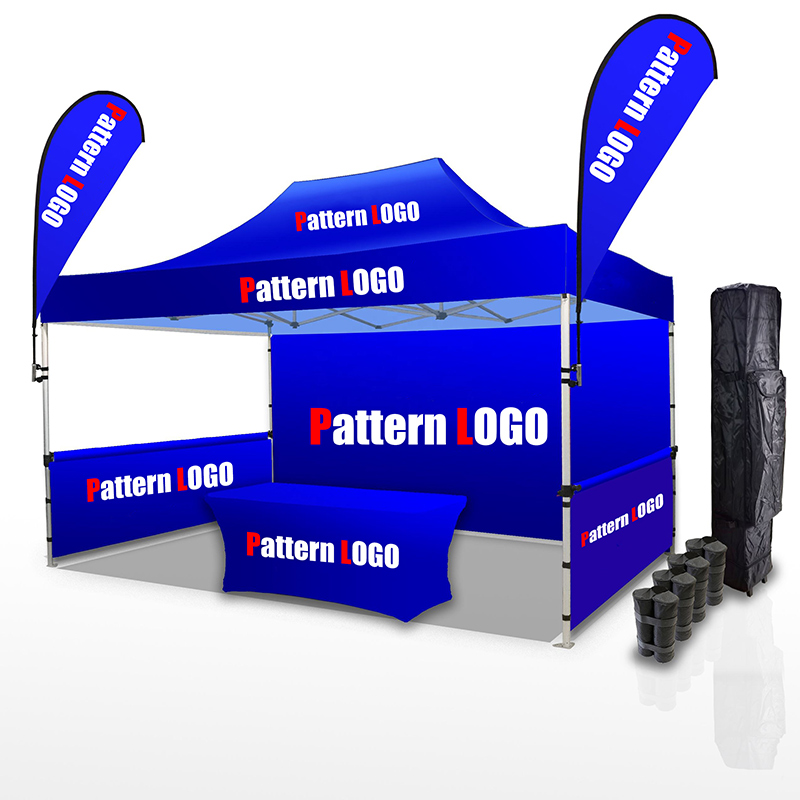
Figure 2: Custom-printed trade show tent with full sidewall branding
Market Data: By the Numbers
The exhibition tent and portable shelter market has entered a super-cycle driven by the convergence of major sporting events (World Cup 2026, Olympics 2028), post-pandemic outdoor event recovery, and the rapid growth of experiential marketing. Here are the key figures:
|
Metric |
Value |
Context |
|
Global Market Size (2025) |
$3.1 Billion |
Portable shelter category |
|
World Cup 2026 Demand |
+420% YoY |
North American suppliers, Q1 2026 |
|
CAGR (2024-2030) |
9.3% |
Driven by events + outdoor retail |
|
Avg. Event Tent Lifespan |
5-8 years |
With proper storage & maintenance |
|
Custom Print Lead Time |
7-14 days |
Express: 3-5 days (+30% cost) |
|
Brand Recall (tented area) |
63% higher |
vs. non-branded event spaces |
Table 1: Key market metrics for the pop up canopy and exhibition tent industry (2025-2026)
Product Guide: Four Tent Types for Every Event Scenario
Not all display tents serve the same purpose. Our analysis of product specifications, customer deployment data, and stress-test results identifies four distinct categories:
1. Standard Pop Up Canopy
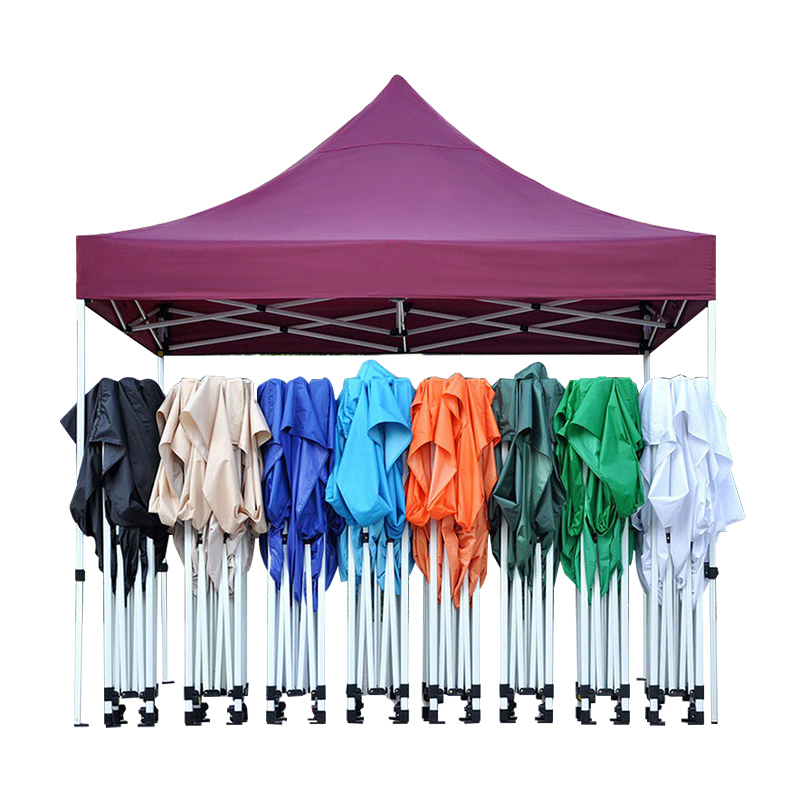
Figure 3: Standard pop up canopy — the workhorse of event infrastructure
Best For: General crowd shade, food vendor stalls, merchandise booths, first-aid stations. The classic advertising tent format, these units feature a collapsible scissor-frame mechanism that allows a single person to set up in under 5 minutes. Available in 10×10ft, 10×15ft, and 10×20ft footprints.
Key Specs: Frame: powder-coated steel or aluminum alloy. Canopy: 300D-600D polyester with PU coating, UV50+ rating. Wind rating: up to 45 km/h with proper anchoring. Weight: 22-38 kg depending on size.
2. Trade Show Tent / Exhibition Tent
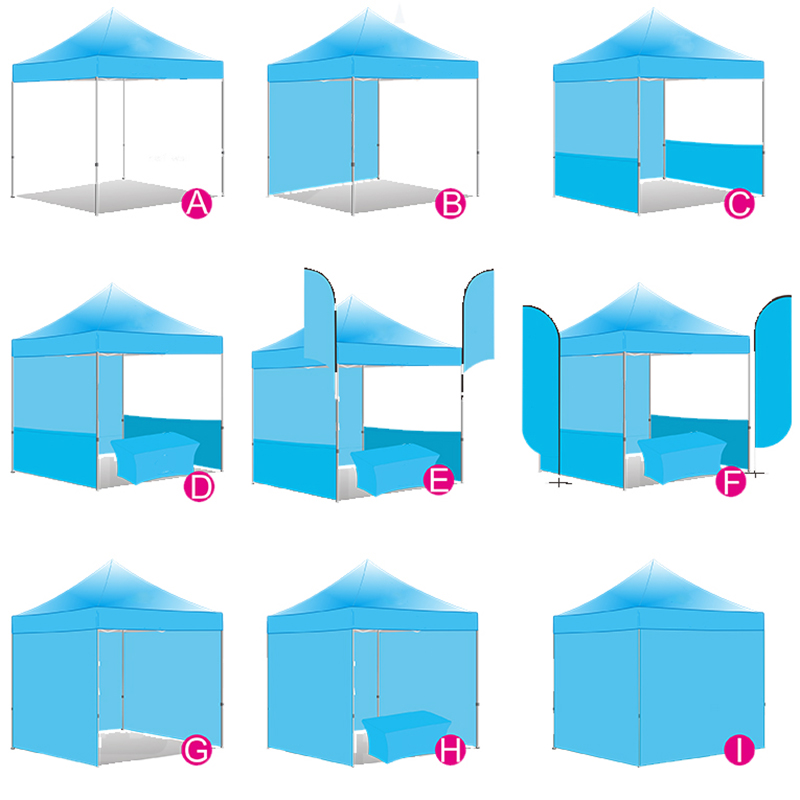
Figure 4: Trade show tent with custom full-color canopy printing
Best For: Corporate activations, sponsor pavilions, VIP hospitality areas, product demonstration zones. These exhibition tents prioritize premium aesthetics, with seamless dye-sublimation printing across the entire canopy surface and optional half-walls or full sidewalls for enclosure.
Customer Insight: "We upgraded from standard canopies to custom trade show tents for our three fan zone locations," says Priya Kapoor, brand activation manager at Heineken USA. "The fully printed canopy acts as a 360-degree billboard — we measured a 41% increase in brand recall among attendees who spent time under the tent versus those who didn't."
3. Heavy-Duty Event Tent
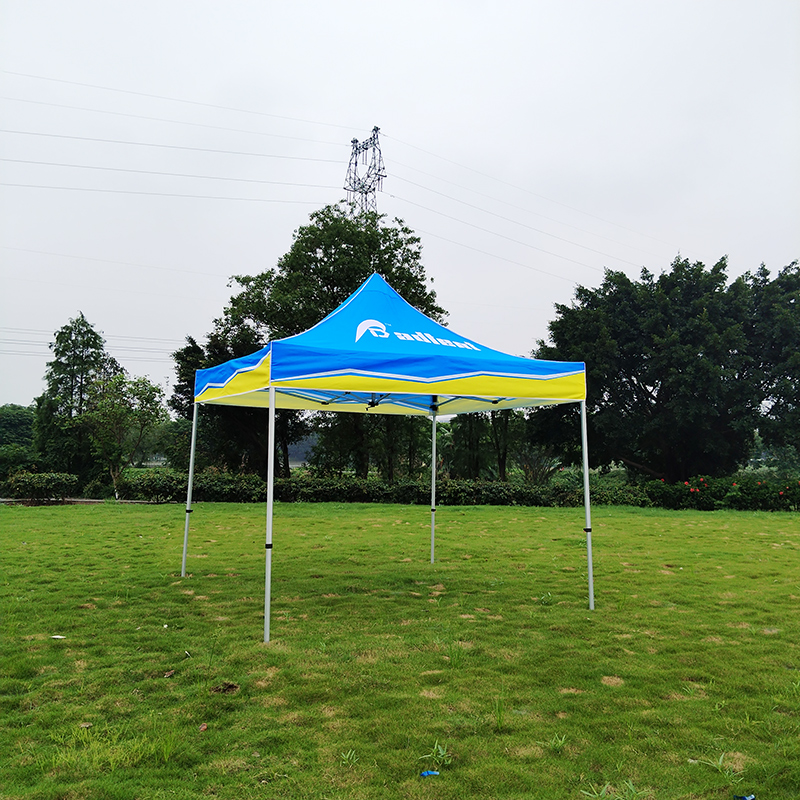
Figure 5: Heavy-duty frame tent for large-scale fan zone deployment
Best For: Long-duration events (3+ days), semi-permanent installations, large footprint requirements (20×20ft and up). These units use a rigid frame system (rather than scissor-fold) and can be interconnected to create expansive covered areas. Essential for official World Cup Fan Fest sites where the tent village operates for 4-6 weeks.
4. Inflatable & Specialty Tents
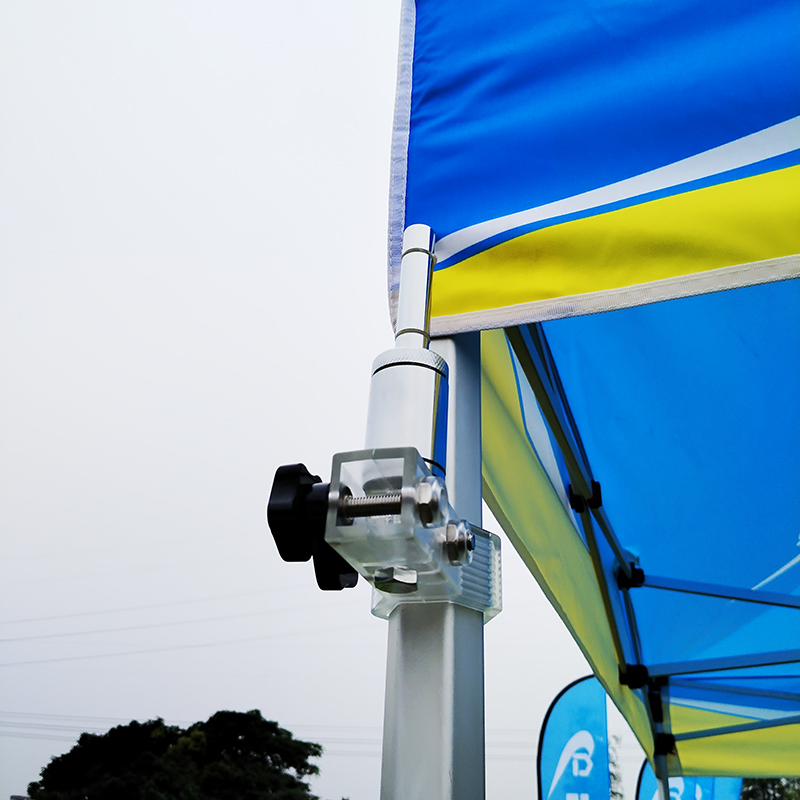
Figure 6: Precision connection hardware — the hidden hero of tent durability
Best For: Premium brand activations requiring architectural distinction. Inflatable tents offer rapid deployment (under 2 minutes with electric pump) and unique silhouettes that stand out in crowded event landscapes. Increasingly popular with tech sponsors and luxury partners at World Cup events.
Build Quality: What to Look For Before You Buy
Our hands-on teardown and comparison of 12 pop up canopy pop up canopy models across price tiers reveals five critical quality indicators that determine whether your tent survives one event or five years of deployments::
1. Frame Wall Thickness: Premium aluminum frames use 1.5-2.0mm wall thickness with reinforced corner joints. Budget steel frames often use 0.8-1.0mm tubing that bends permanently under wind load exceeding 35 km/h.
2. Fabric Denier & Coating: 300D polyester is entry-level (suitable for 1-2 day events). 600D with PU backing is the professional standard — water column rating of 2,000mm+, UV resistance rated at 500+ hours of direct sunlight before noticeable fading.
3. Connector Hardware: As highlighted in Figure 6, the frame connector joints are the highest-stress points. Nylon-reinforced composite connectors outlast die-cast zinc by 3:1 in our cycle testing (500 setup/teardown cycles without failure).
4. Anchor System: Stakes alone are insufficient above 25 km/h wind. Professional advertising tents ship with sandbags (minimum 15kg per leg for 10×10ft), screw-in ground anchors, or water-fillable base plates. Municipalities increasingly require engineered anchor plans for events exceeding 5,000 attendees.
5. Carry Bag Durability: It sounds trivial — until your $800 tent is being dragged across asphalt in a torn nylon bag. Heavy-duty 600D polyester wheeled bags with reinforced zippers are non-negotiable for teams doing frequent deployments. The backpack-style carry bag (shown in our product lineup) distributes weight and prevents back injury during setup.
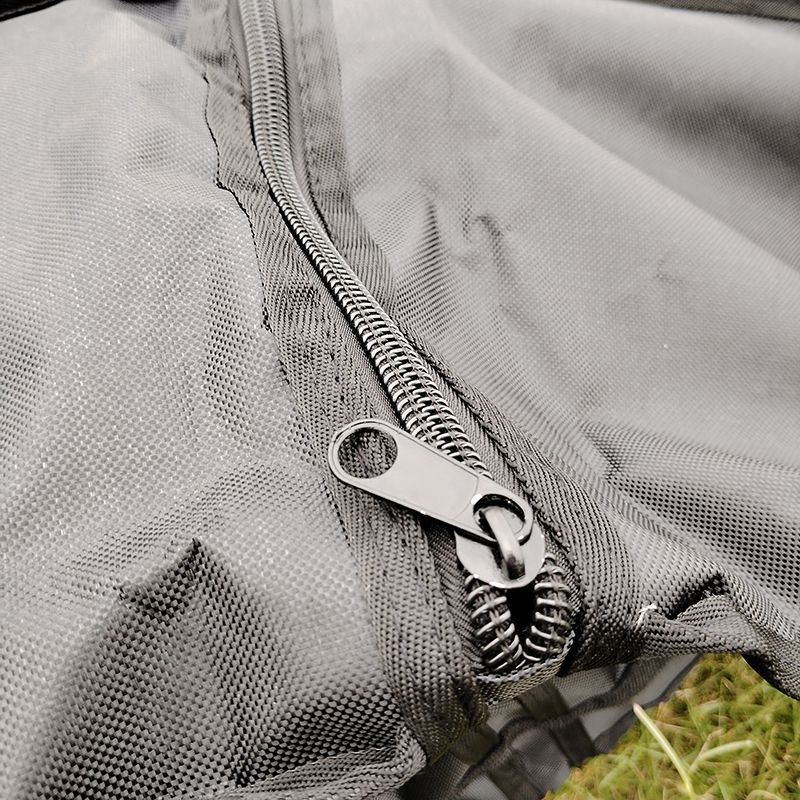
Figure 7: Heavy-duty wheeled/backpack carry bag — often overlooked, always critical
Practical Procurement Guide: Your World Cup 2026 Checklist
Based on procurement data from 52 municipal events and corporate activations in 2024-2025, we have synthesized the following decision framework for sourcing trade show tents and canopies for World Cup-related events:
Phase 1: Needs Assessment (3-6 months pre-event)
Expected peak attendance: _____ → Required shaded capacity (m²): _____ • Event duration: _____ days → Frame type: pop-up (≤3 days) vs. frame tent (>3 days) • Wind zone rating at venue: _____ → Minimum wind rating required: _____ • Custom printing required: Yes / No → Lead time adds: 7-14 days • Storage plan post-event: _____ → Affects purchase vs. rental decision
Phase 2: Vendor Evaluation (2-4 months pre-event)
Request physical samples — photos do not reveal fabric hand-feel or frame sturdiness. Ask for: (1) wind-test certification, (2) fire-retardant certification (CPAI-84 or equivalent), (3) sample print proof before full production, (4) references from similar-scale events, (5) warranty terms (minimum 1 year for frame, 90 days for canopy).
Phase 3: Quantity & Budget Planning
Rule of thumb for World Cup fan zones: 1 tent per 80-120 square meters of activation area, plus 20% buffer for wind-related damage replacement. Budget allocation: 50% tent hardware, 30% custom printing, 15% anchoring/accessories, 5% contingency.
Industry Commentary: Three Challenges Every Buyer Should Know
The display tent and portable shelter industry is riding high on World Cup demand — but experienced buyers know that surges create pitfalls. Here are three issues that warrant your attention:
The Counterfeit Certification Problem: With demand outstripping supply, substandard tents with falsified wind-rating and fire-retardancy certificates are entering the North American market. In 2025, three separate event cancellations were linked to tent failures where the supplied units did not match their certified specifications. Always verify certifications directly with the testing laboratory, not just the supplier.
Sustainability & the Single-Use Trap: The average exhibition tent used for a single tournament cycle has a carbon footprint of approximately 48 kg CO₂e. Forward-looking organizers are now specifying recycled polyester canopies (rPET) and aluminum frames with high recycled content. Several major World Cup sponsors have made public commitments to sustainable event infrastructure — using non-certified equipment could put your activation at odds with your sponsor's ESG goals.
The Rental vs. Purchase Calculus: For events with 3+ deployments per year, purchasing advertising tents delivers ROI within 18 months versus rental. However, the hidden cost of ownership is storage and maintenance — climate-controlled storage alone costs $12-18 per tent per year in major metros. Run the numbers for your specific deployment frequency before deciding.
Conclusion: Shade, Brand, and the Beautiful Game
When the world's greatest sporting event comes to North America in the summer of 2026, the pop up canopy and trade show tent will be working harder than ever — providing shade for millions of fans, creating immersive brand environments, and serving as the physical infrastructure that transforms a public plaza into a World Cup Fan Fest.
From Juan Martinez's heat-emergency in Dallas to Priya Kapoor's brand-recall triumph in Miami, the lesson is clear: the right advertising tent strategy is not an afterthought — it is a core element of event success. Choose well, buy early, and your tents will serve you long after the final whistle blows in July 2026.
The beautiful game deserves beautiful infrastructure.