


Autumn Fair Season Springs to Life Across North America
The first cool mornings of September have barely arrived, but across the northeastern United States and eastern Canada the fairgrounds are already awake. Within days of Labor Day, hundreds of towns will roll open their gates for the annual rite of the harvest fair — a season of pie contests, draft-horse pulls, midway lights and the unmistakable smell of fried dough. It is the busiest week on the community-events calendar, and behind every polished entrance stands a quiet industry of portable branding.
Pennsylvania leads the charge. The 158th Great Stoneboro Fair opens September 2 at the Stoneboro Fairgrounds, six days of livestock exhibits, harness racing and grandstand demolition derbies. A short drive away, the Polish American Family Festival & Country Fair returns to Doylestown for its 60th anniversary, five days of Polish bands, folk dance and pierogi that draw more than 25,000 visitors. Organizers say the crowd is the largest of its kind in the region, and every stage needs a clear identity.
In Massachusetts, the Our Lady of Fatima FESTA fills Ludlow from September 3 to 7 — a Portuguese tradition running every Labor Day weekend since 1949, with carnival rides, fireworks and a candlelight procession. Neighboring Connecticut answers with the North Haven Fair (September 4–13), its petting zoo, magic shows and lawn-mower racing, and the Hebron Harvest Fair (September 9–13), one of the state's largest agricultural gatherings.
Cross the border and Ontario is just as busy. The Perth Fair (September 3–6) pairs livestock shows with a classic midway in Lanark County, while the Hymers Fall Fair (September 6–7) near Thunder Bay celebrates its 1912 roots with giant-pumpkin contests. Lanark County alone lists more than a dozen family events this month, from the Carleton Place Dragon Boat Festival on the Mississippi River to artisan shows along the Fall River. Each one turns a town green into a temporary marketplace.
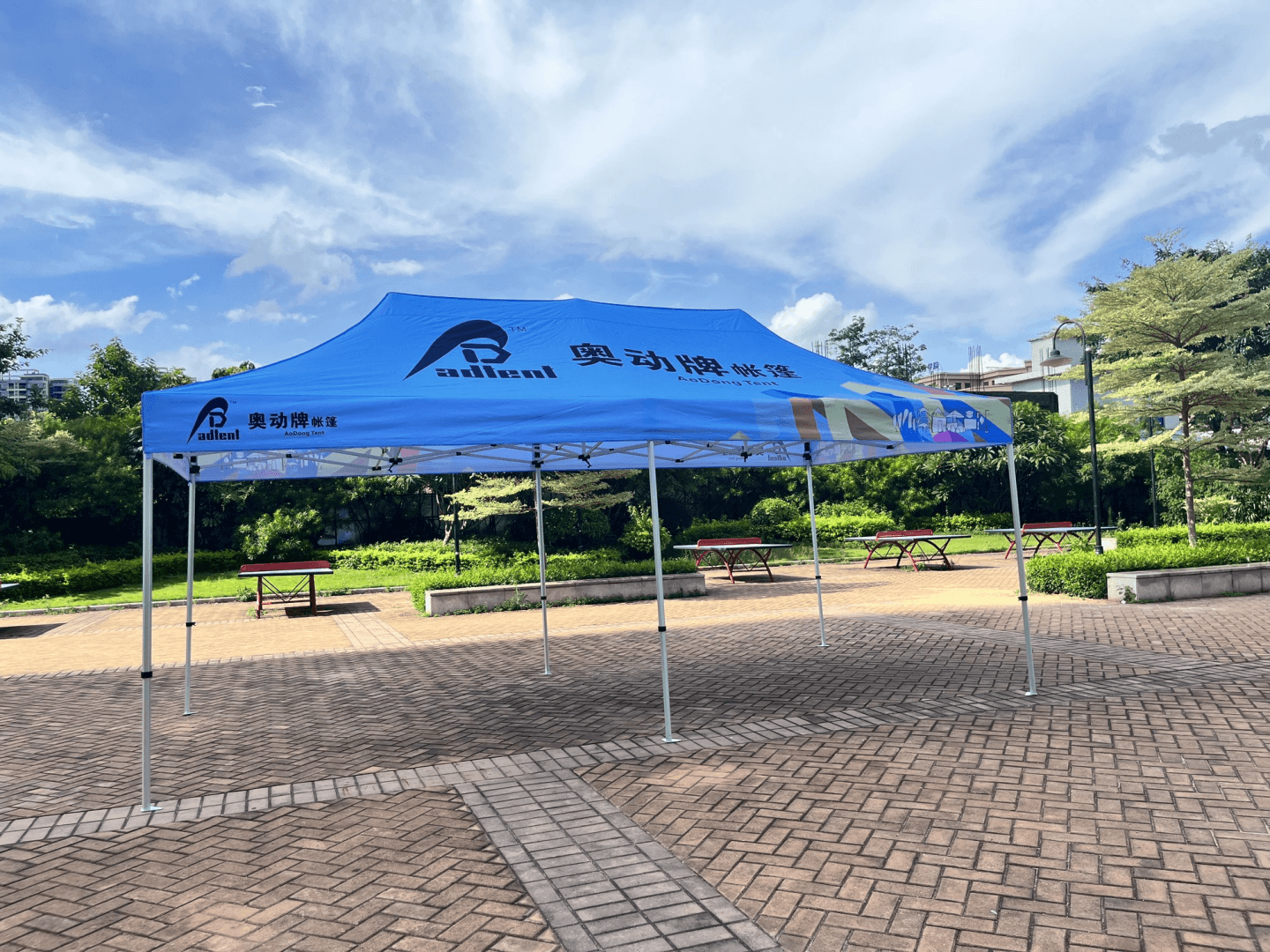
The common thread is setup. A harvest fair is, at heart, a pop-up city built and struck in a single weekend. Vendors need shelter, sponsors need visibility, and volunteers need to point thousands of visitors the right way. A sturdy canopy tent becomes the craft stall, the corn-roast stand or the 4-H club's home base, while a tall flagpole planted at the gate marks the entrance from a quarter mile away.
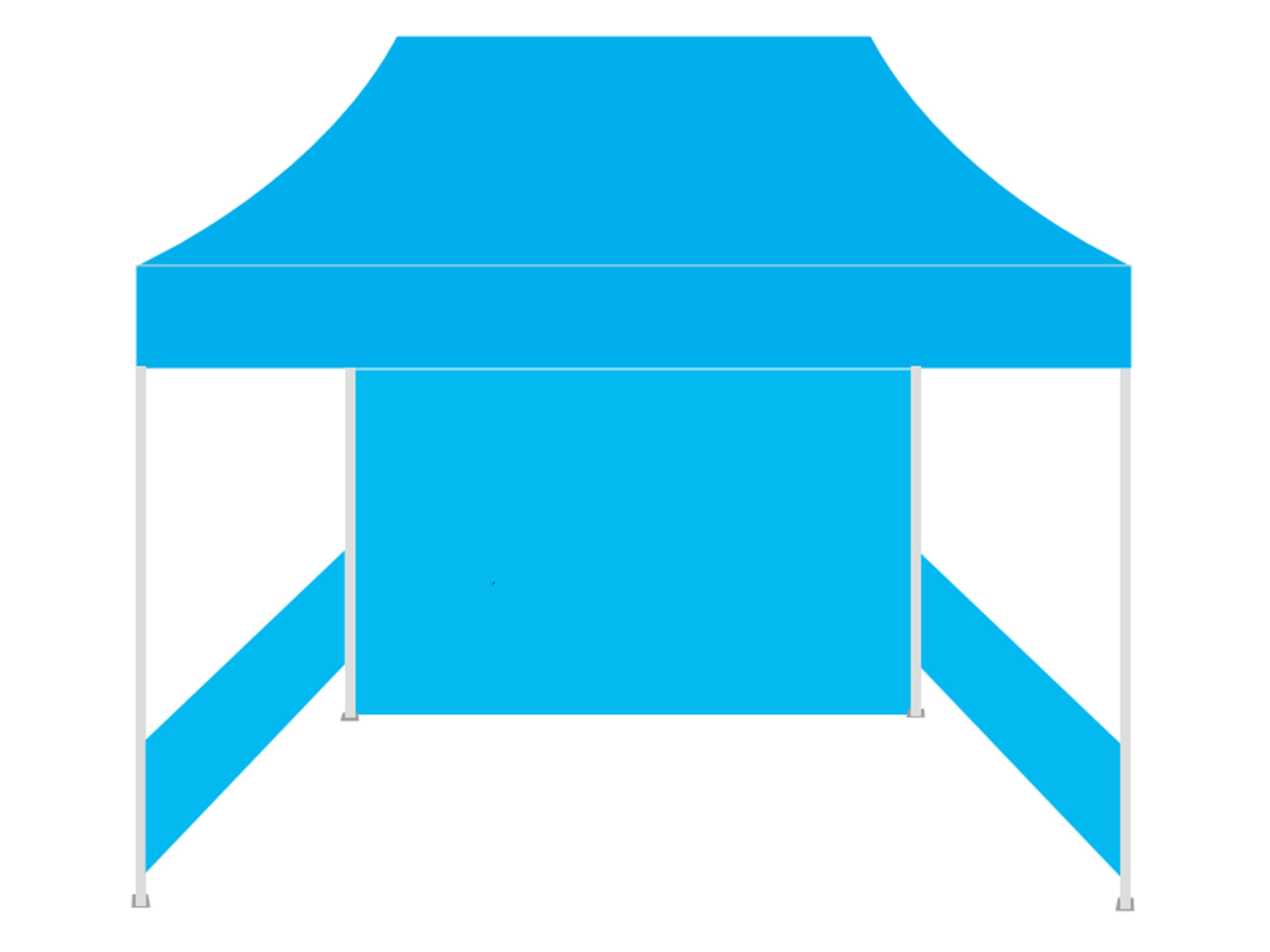
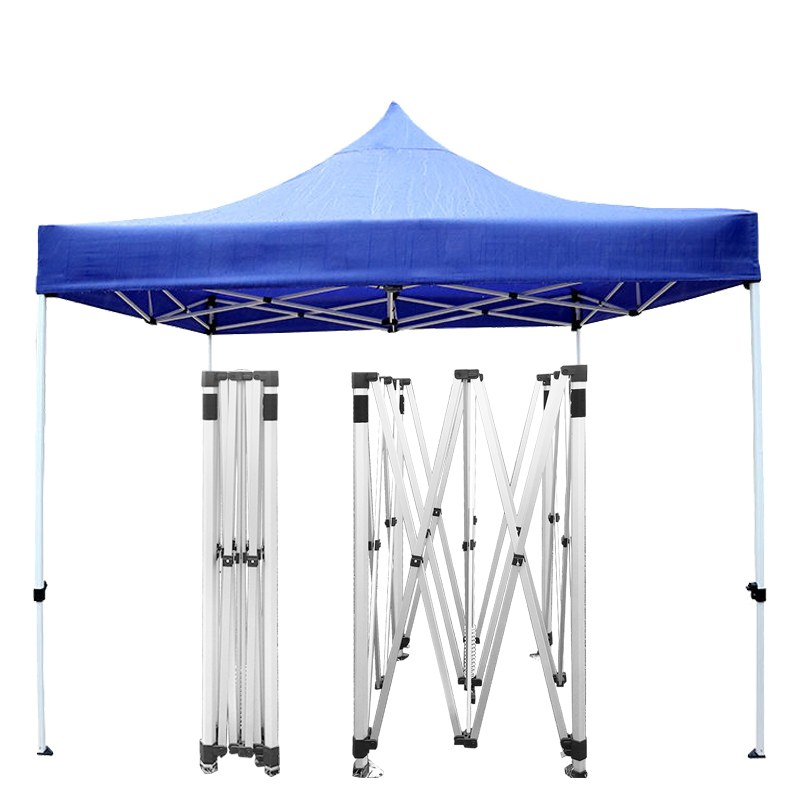
Caption: A pop-up canopy tent anchors a vendor stall at a community harvest fair.
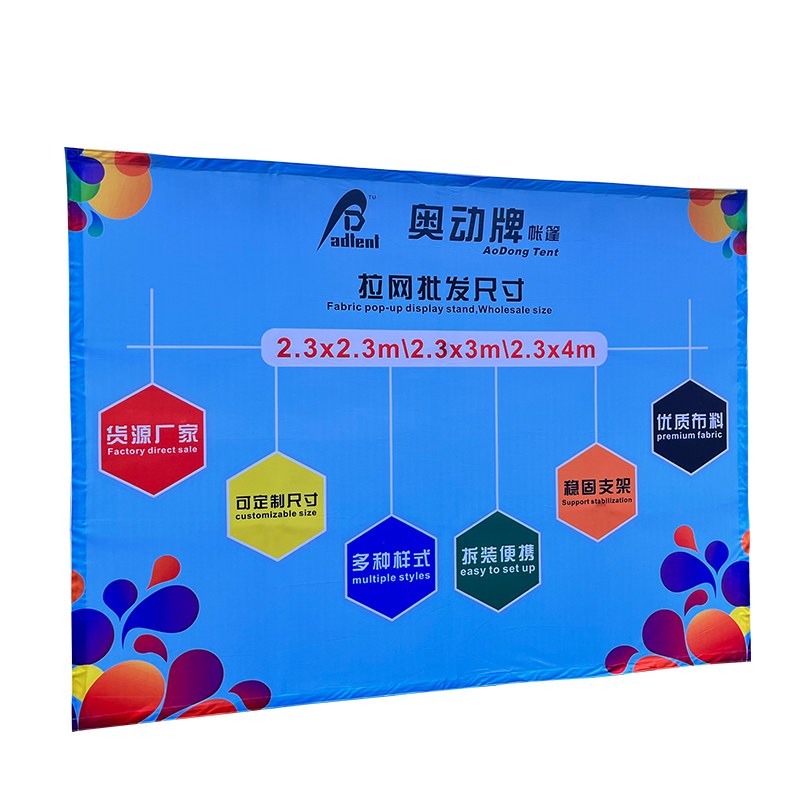
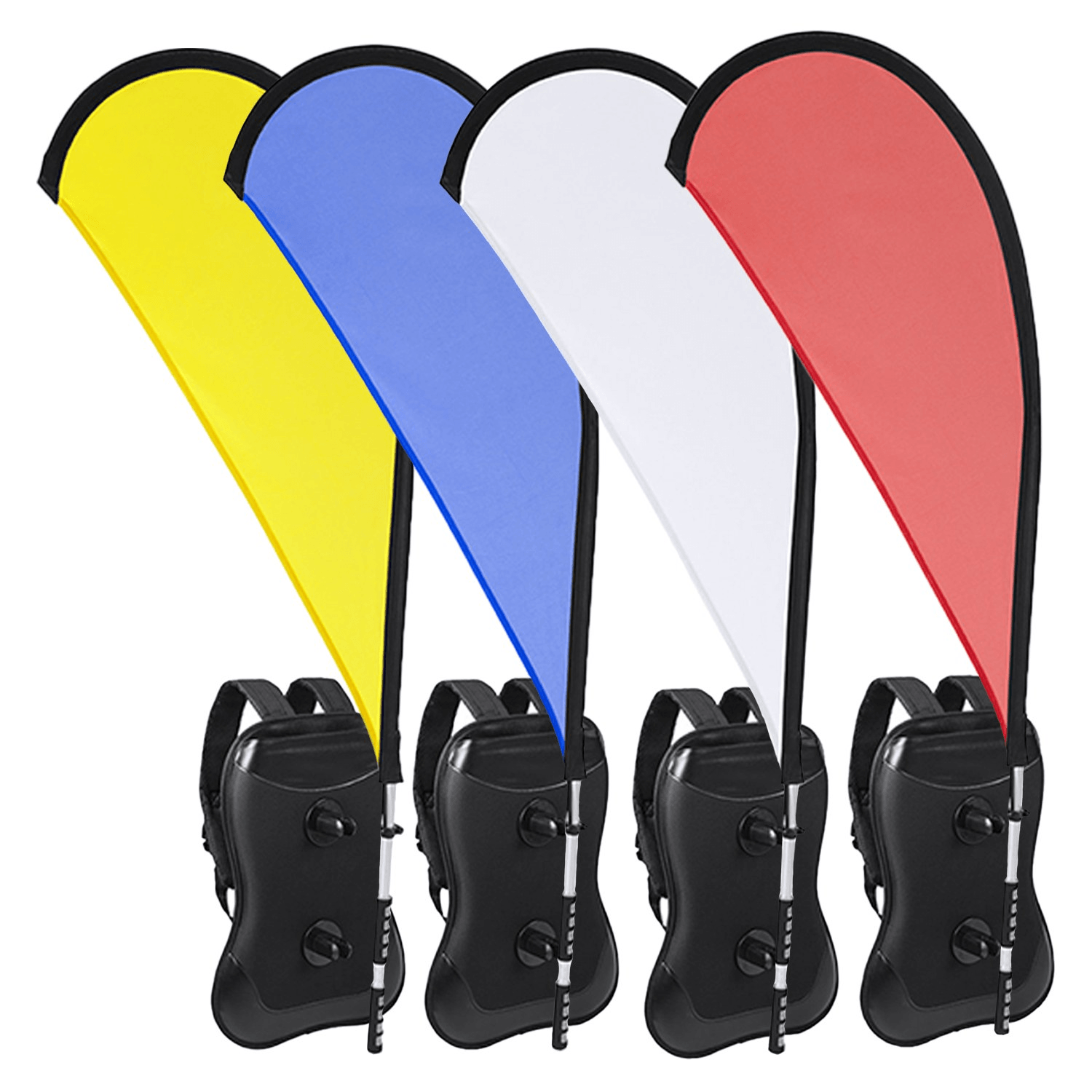
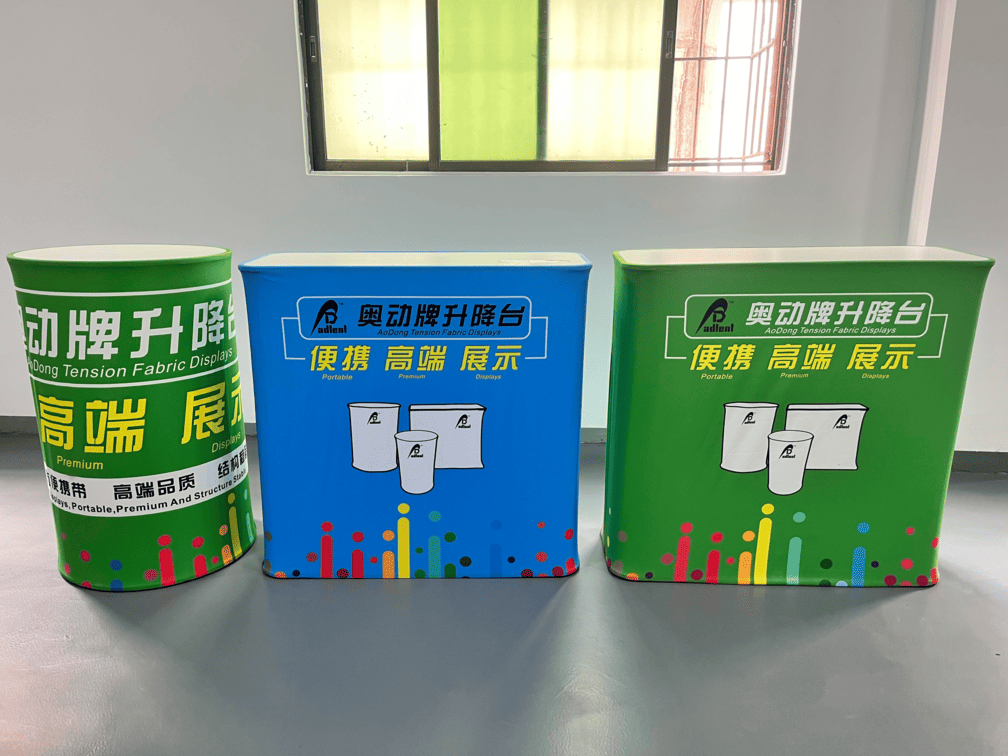
Inside the grounds the branding gets finer. A handheld flag carried in the opening parade gives a local sponsor a moving billboard, while a tension fabric display stretched behind the main stage turns a plain fence into a seamless sponsor backdrop. Crews favor these systems because they fold flat, travel in a car trunk and assemble without tools — critical when a fairground transforms overnight.
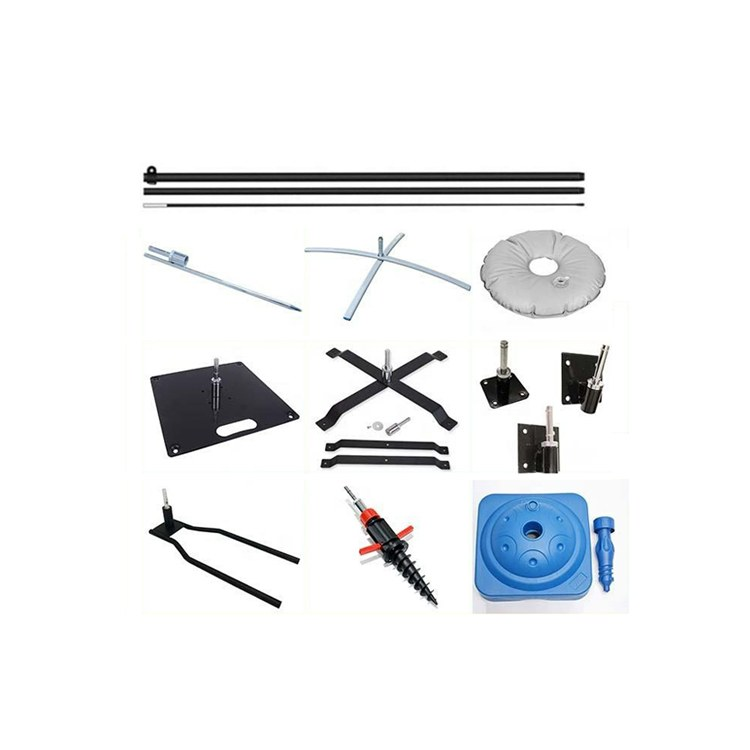
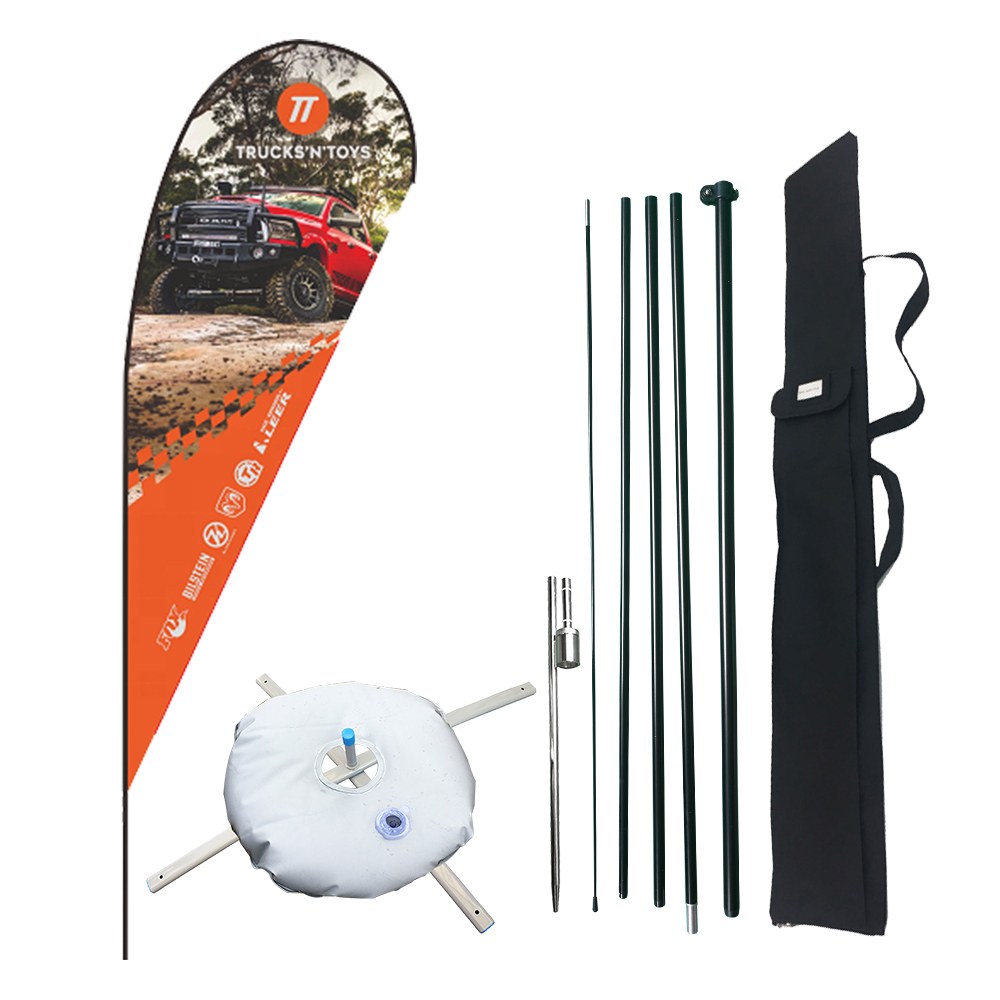
Caption: A tall flagpole marks the fair entrance from the parking field.
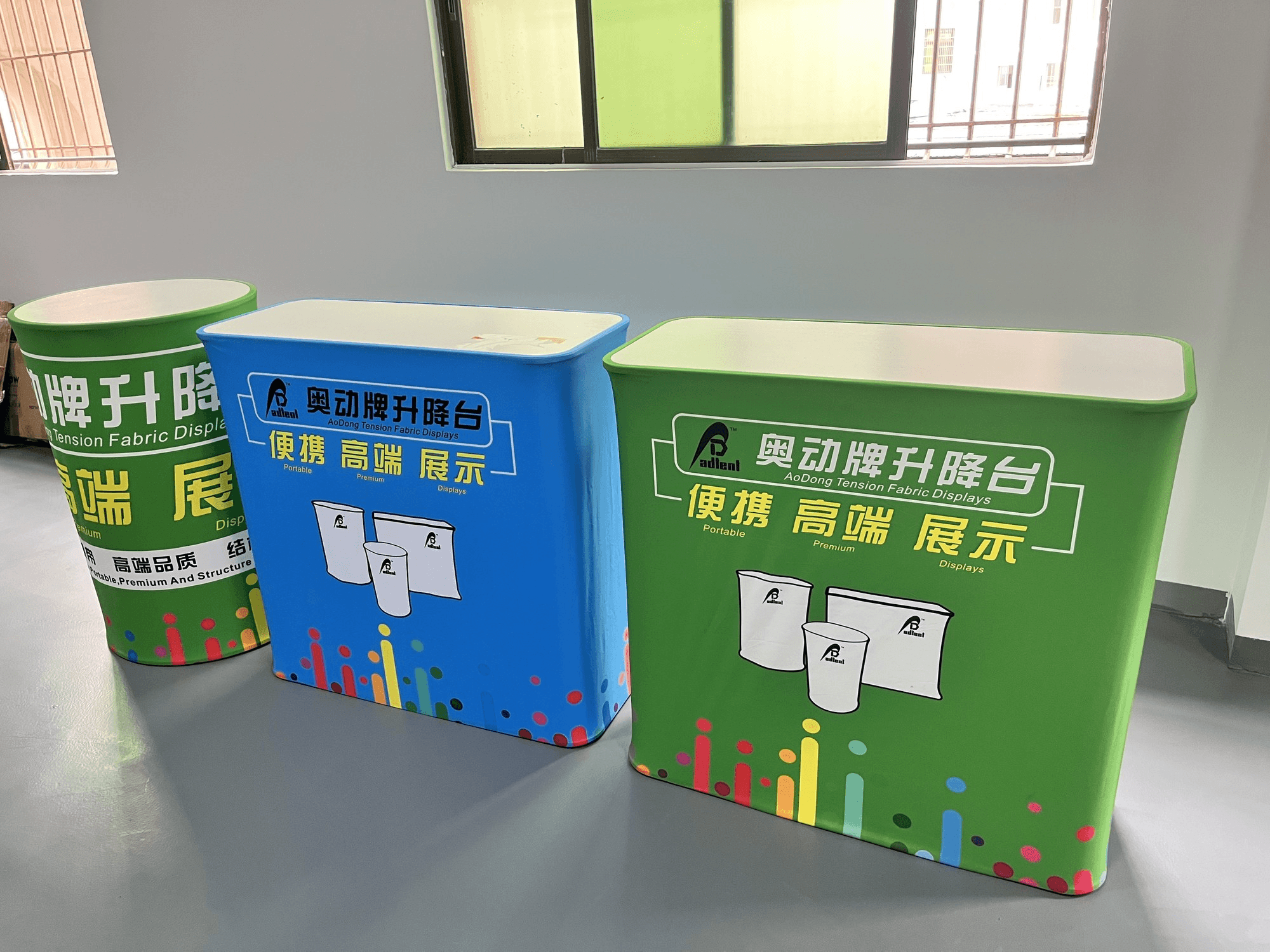
Food is the heart of any fair, and the busiest counters wear their identity on the surface. A branded tablecloth turns a folding table into a recognizable pie-judging station or maple-syrup booth, and an advertising wall beside the beer garden doubles as the day's schedule and the brewer's logo. Organizers report that clearly marked stations cut queue confusion and keep lines moving through the lunch rush.
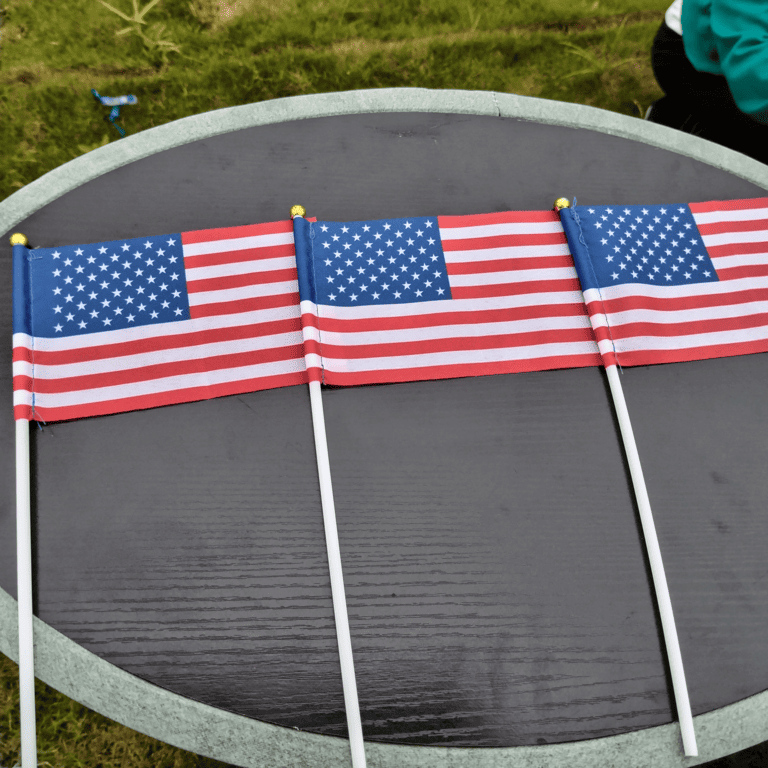
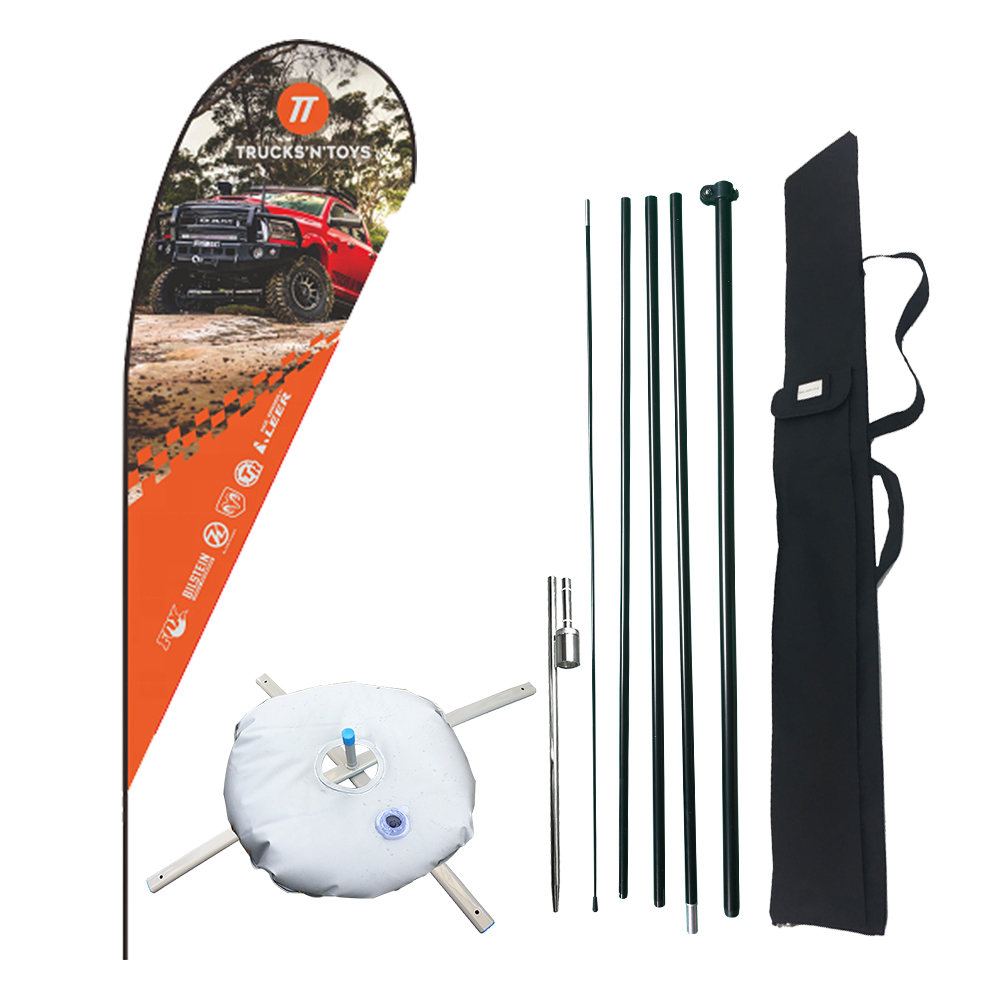
Caption: Volunteers wave a handheld flag through the opening parade.
Wayfinding matters as much as spectacle. A roll-up banner at each junction guides visitors from the petting zoo to the tractor pull, and a portable stage in the town square hosts the folk ensemble, the pie-eating contest and the evening headliner without a single nail in a historic facade. Because the season stacks event after event, gear that survives weather and repeated teardown is the only economical choice.
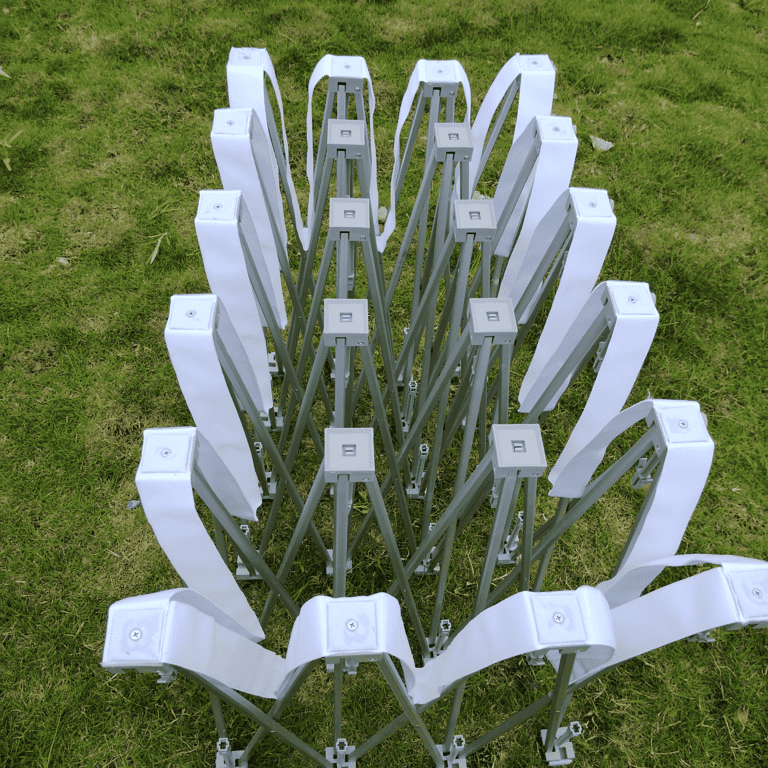
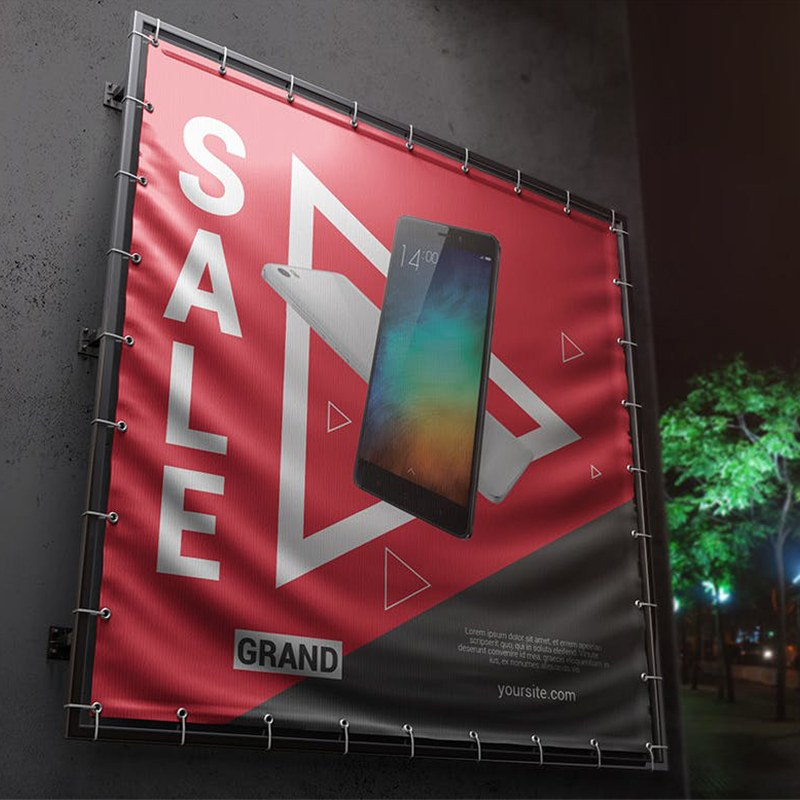
Caption: A tension fabric display forms a seamless sponsor backdrop behind the stage.
The same toolkit travels the circuit. A vendor who buys one durable canopy tent can work the Stoneboro Fair on Tuesday and the Perth Fair by the weekend; the same flagpole that frames a Pennsylvania midway reappears at an Ontario orchard. A second handheld flag in the children's parade, a second tension fabric display for the 4-H ring, and the look stays consistent town to town.
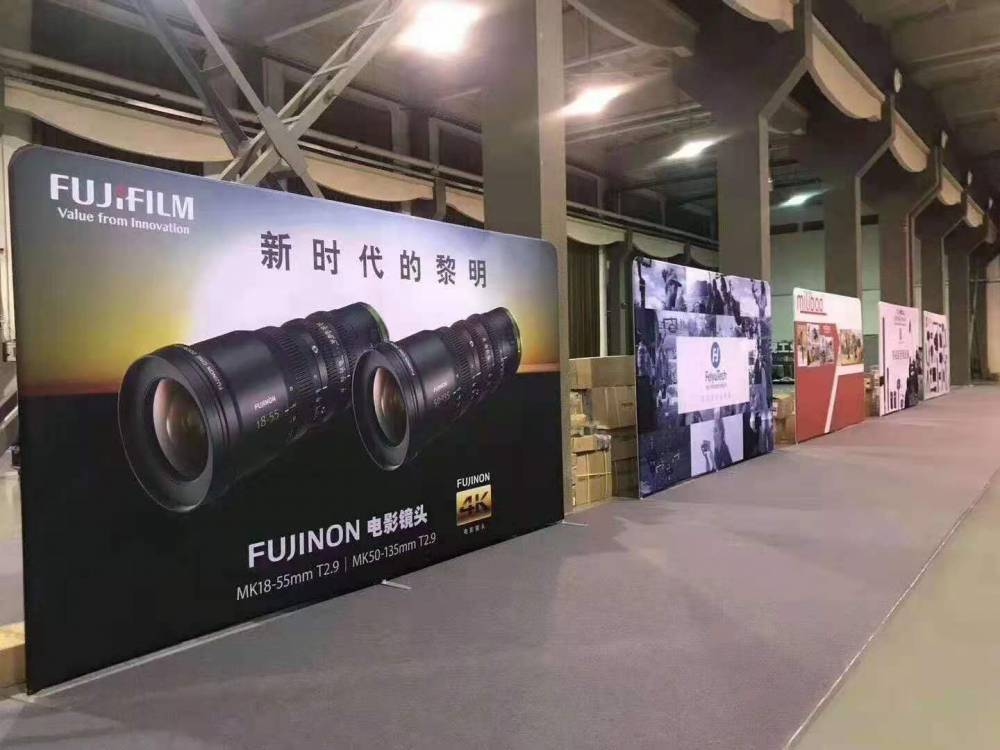
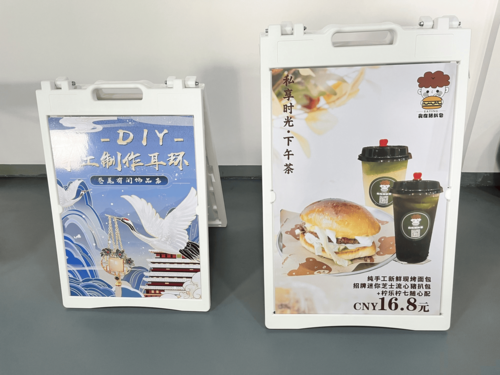
Caption: An advertising wall doubles as the day's program board by the beer garden.
Smart organizers build a small library of graphics rather than a wall of permanent signs. A fresh branded tablecloth re-skins a table for each themed weekend, an advertising wall swaps its panel from craft fair to harvest dinner, and a roll-up banner re-points the crowd as the layout changes. A portable stage that packs into a wheeled case lets a single volunteer reset the square between acts.
The calendar only builds from here. The Big E opens September 18 in West Springfield, Massachusetts, effectively becoming its own 17-day city along the Avenue of States. Ontario's Spencerville Fair and the Bruce Mines Fall Fair follow, with apple and pumpkin festivals running through October. In Europe, La Mercè fills Barcelona's streets September 23–27, and Munich's Oktoberfest arrives later in the month — proof that the harvest-celebration instinct is global.
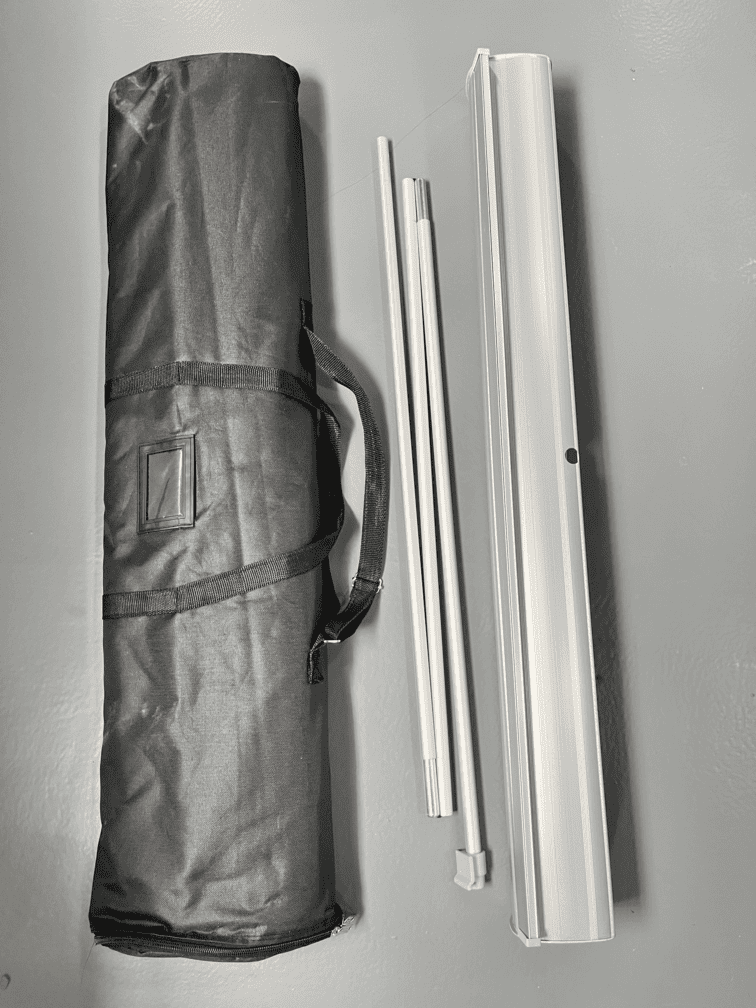
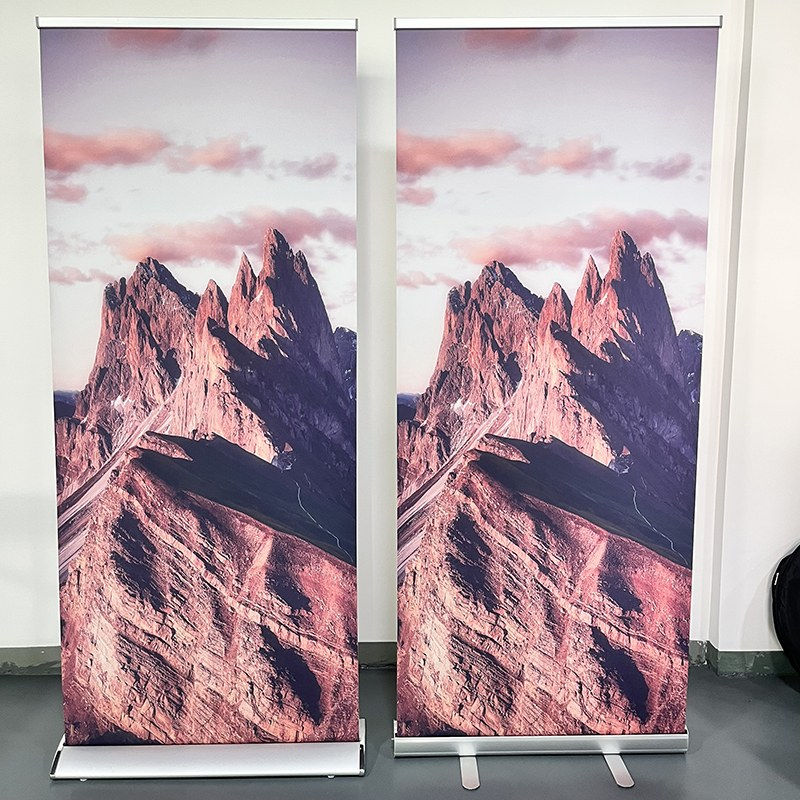
Caption: A roll-up banner points visitors between the midway and the livestock barn.
For the small businesses and civic groups that staff these fairs, the math is simple. A reusable canopy tent, a few flagpoles and a library of banner graphics cost less than renting signage from a different supplier in every town. The same tension fabric display that headlines a June street fair can re-skin for a September harvest weekend in an afternoon, and the same portable stage carries the music from one green to the next.
Caption: A portable stage hosts the evening headliner on the town green.
As the midways light up this week, the message from organizers is consistent: come early, bring cash for the food trucks, and look up. Between the flagpole lines and the banner rows, between the handheld flag in the parade and the advertising wall by the gate, the autumn fair is where a community writes its name in cloth and color — one weekend, one township, one harvest at a time. The branded tablecloth on the pie table is the smallest flag a town raises, and the easiest to remember.
Note: Product names in this article refer to standard display-and-promotion equipment used at community fairs and festivals. Event dates are drawn from publicly listed 2026 fair calendars across Pennsylvania, Massachusetts, Connecticut, Ontario and beyond.