


As US campuses open their doors for move-in week, universities turn the quad into a branding and orientation stage
2026-08-20
The last and largest wave of America's college move-in season arrives this week. Across the United States, hundreds of campuses open their residence halls between 23 and 31 August 2026, with international-student move-in starting as early as 23 August and general move-in days clustering around 27 and 28 August. Calvin University in Michigan runs its Welcome Week from 27 to 30 August, Susquehanna University in Pennsylvania holds move-in on 27 August, the University of Minnesota Crookston welcomes students from 28 to 31 August, and Notre Dame of Maryland opens its residence halls on 28 August, with the autumn term starting as early as 31 August at several schools. For a fortnight, quads, lawns and student unions become one long, moving orientation stage. Right behind move-in, welcome-week concerts, convocations and club expos carry the same crowds into September, and the physical kit that served the move-in morning becomes the backdrop for the week's biggest gatherings.
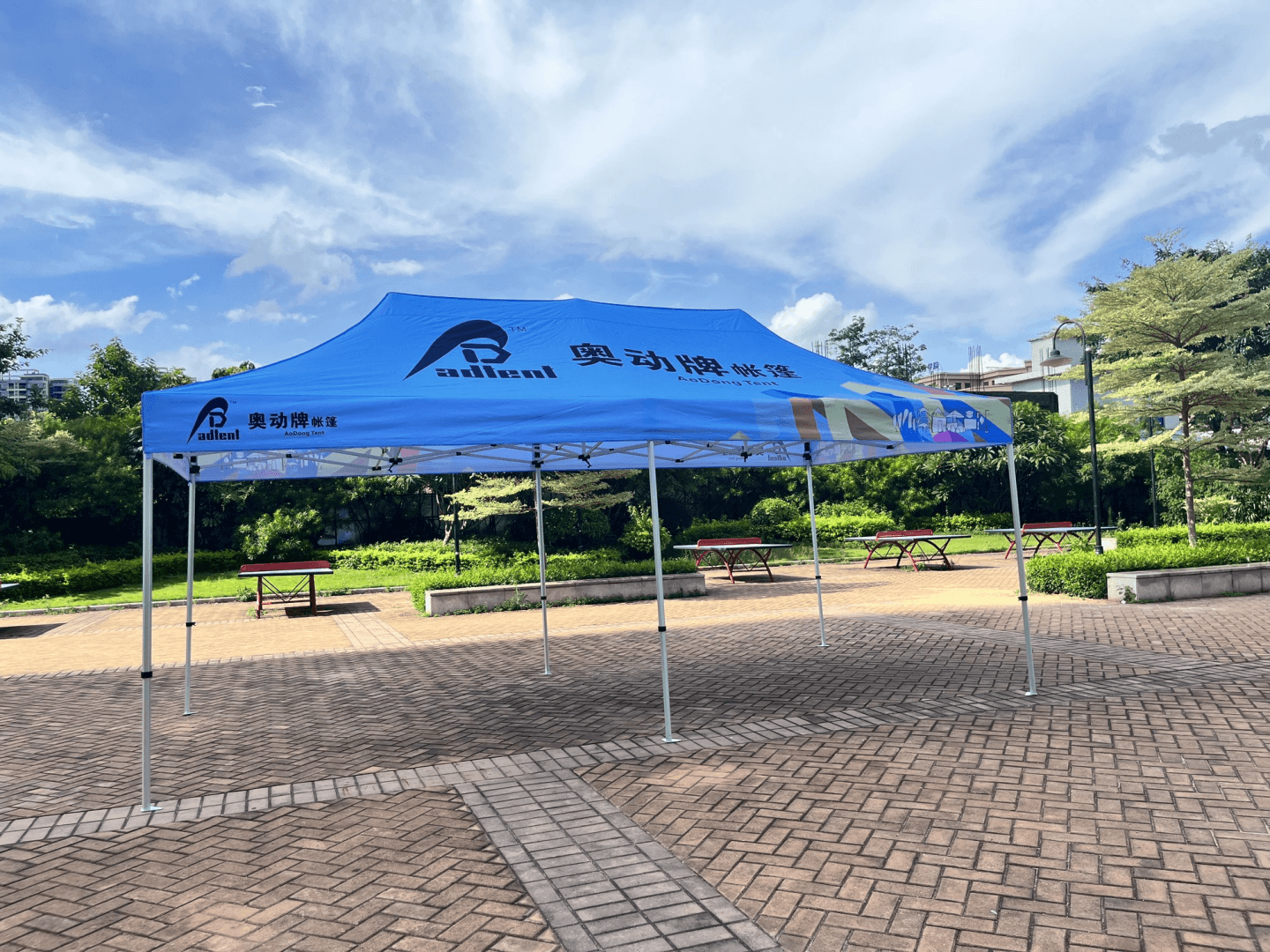
Canopy Tent
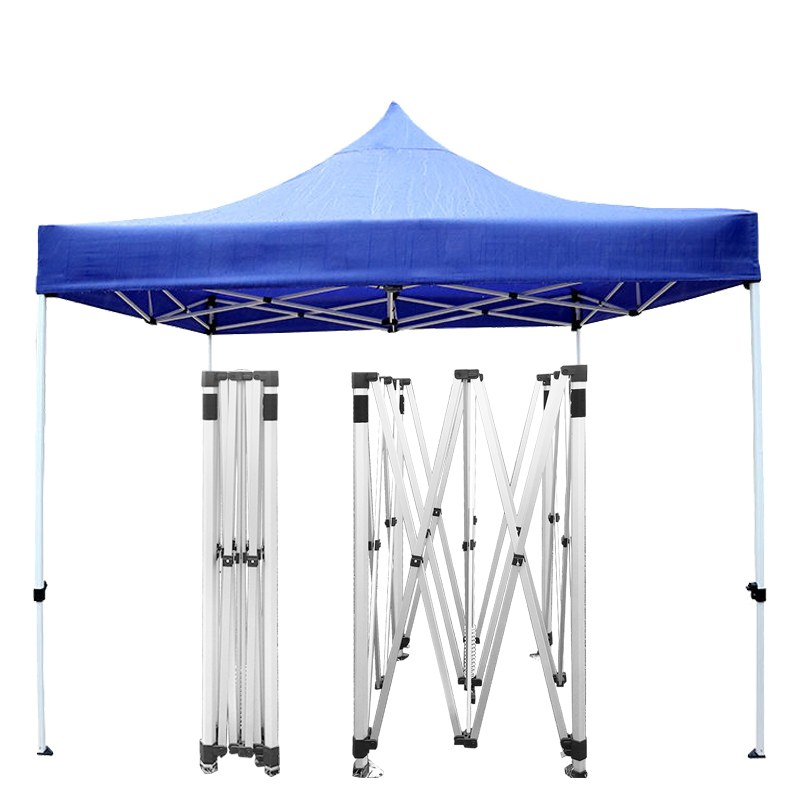
On the move-in lawn, the anchor is the canopy tent. A canopy tent gives the welcome desk, the move-in crew and the family check-in a shaded, weather-ready footprint that pops up in well under an hour and folds into a transit van. Universities reuse the same tent from the residence-hall gateway to the family picnic, which keeps the look identical from the front gate to the back of house and spares the cost of hiring outside builders for every event on the calendar. When the skies open, the canopy tent is the one structure everyone shelters under. The canopy tent also shades the move-in crew through the hottest part of the day, and across campus it is the first thing visitors see and the last thing they forget.
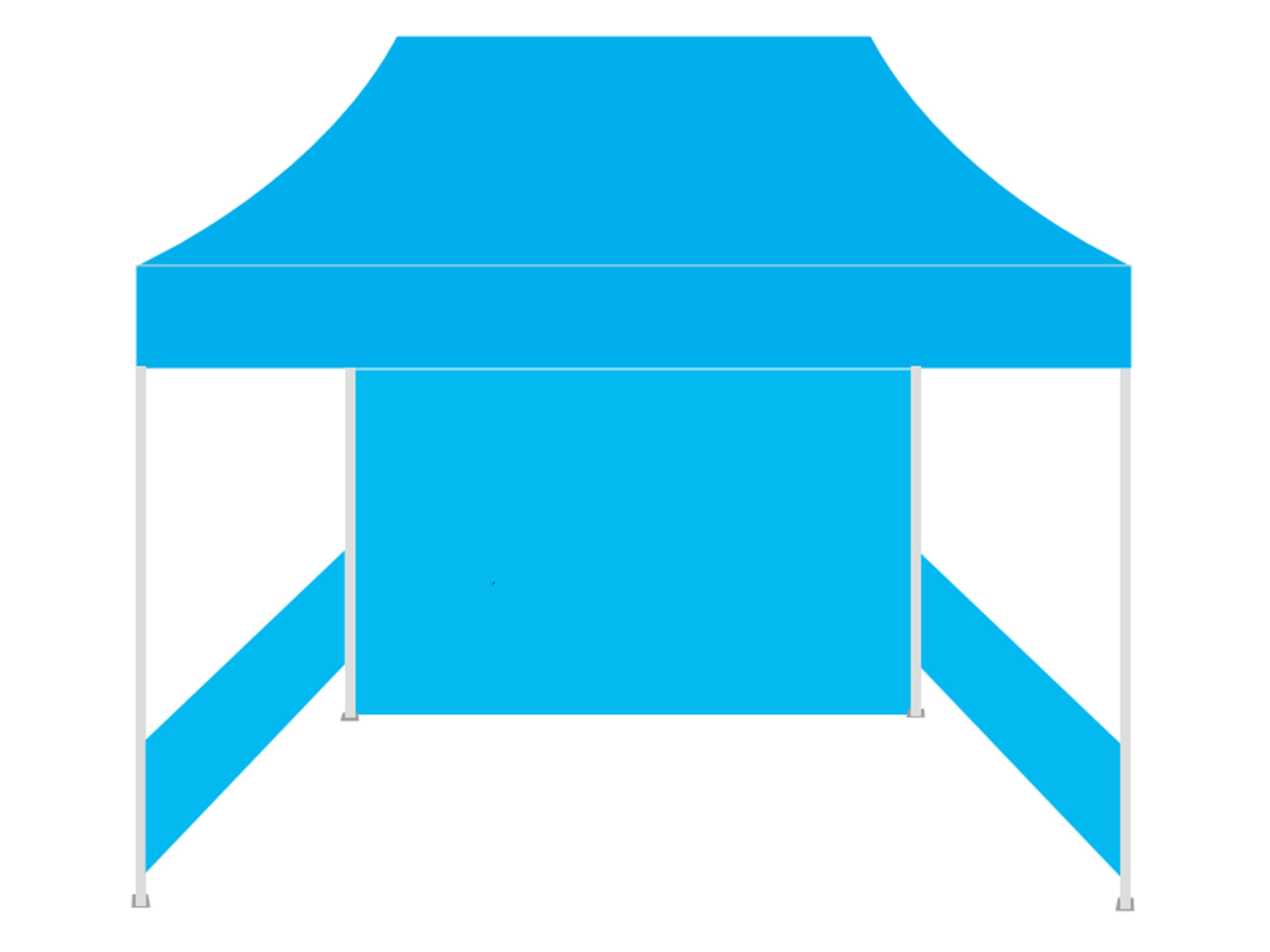 Figure: A canopy tent anchors the welcome desk on move-in morning.
Portable Stage
For the welcome rally, the convocation and the outdoor concert, the portable stage does the heavy lifting. A portable stage lifts the student band, the dean's address and the first-year mixer above the crowd, and it breaks down into wheeled decks a small crew can shift between the quad and the field house. The same platform can host the opening convocation on Thursday, the student-org fair on Friday and the send-off cookout on Sunday — one structure, three programmes, no rental truck. Because it rolls on casters, the same deck serves an indoor arena and an outdoor lawn in the same day. On many campuses the portable stage is also the centre of the welcome-week group photo.
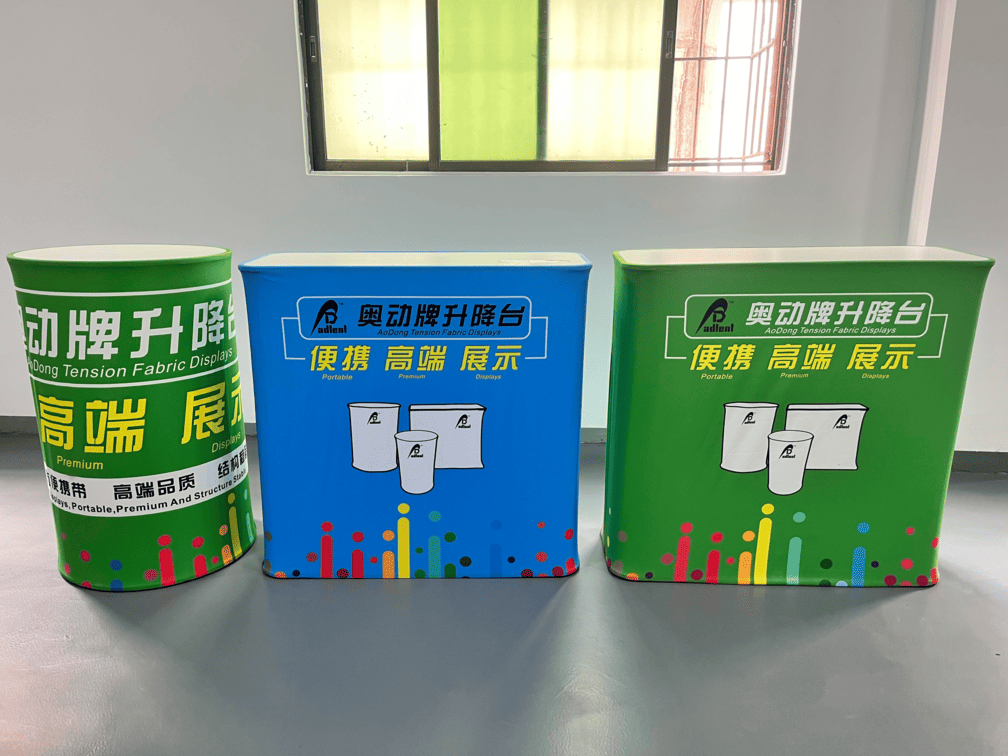 Figure: A portable stage lifts the welcome rally and convocation above the crowd.
Tables and Chairs
Where students gather to eat, register and mingle, tables and chairs set the scene. A set of tables and chairs turns a bare patch of lawn into a sign-in hub, a club fair row or a family lunch, and it packs flat into a couple of carts. Residence-life teams lean on this kit for the key table outside each hall, the orientation checkout and the evening social, because it is light enough to reset between the morning and afternoon waves of arrivals. After the last family leaves, the same set folds away until the spring festival.
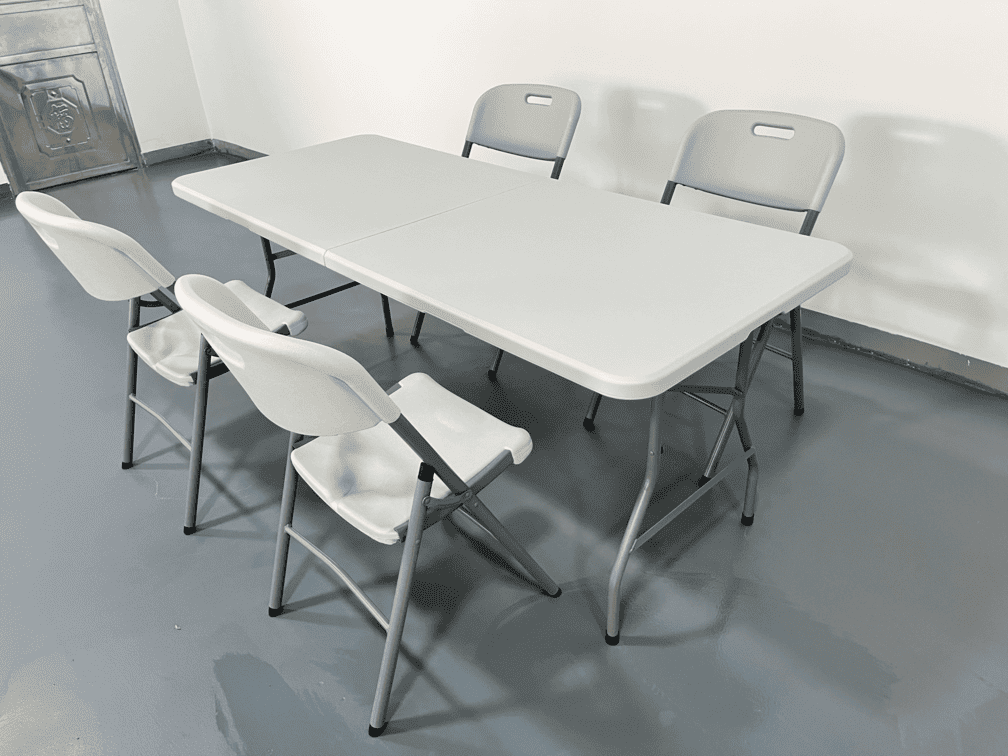 Figure: Tables and chairs turn a patch of lawn into a sign-in and club-fair hub.
Branded Tablecloth
A branded tablecloth finishes the look. A branded tablecloth in college colours dresses the check-in desk and the sponsor booth, hides the plain folding legs and gives every photo a consistent backdrop. Paired with a matching tent, it turns a functional table into a recognizable touchpoint that reads clearly in a packed field and on the department's social feed. It is the cheapest way to make a borrowed folding table look like it belongs to the school.
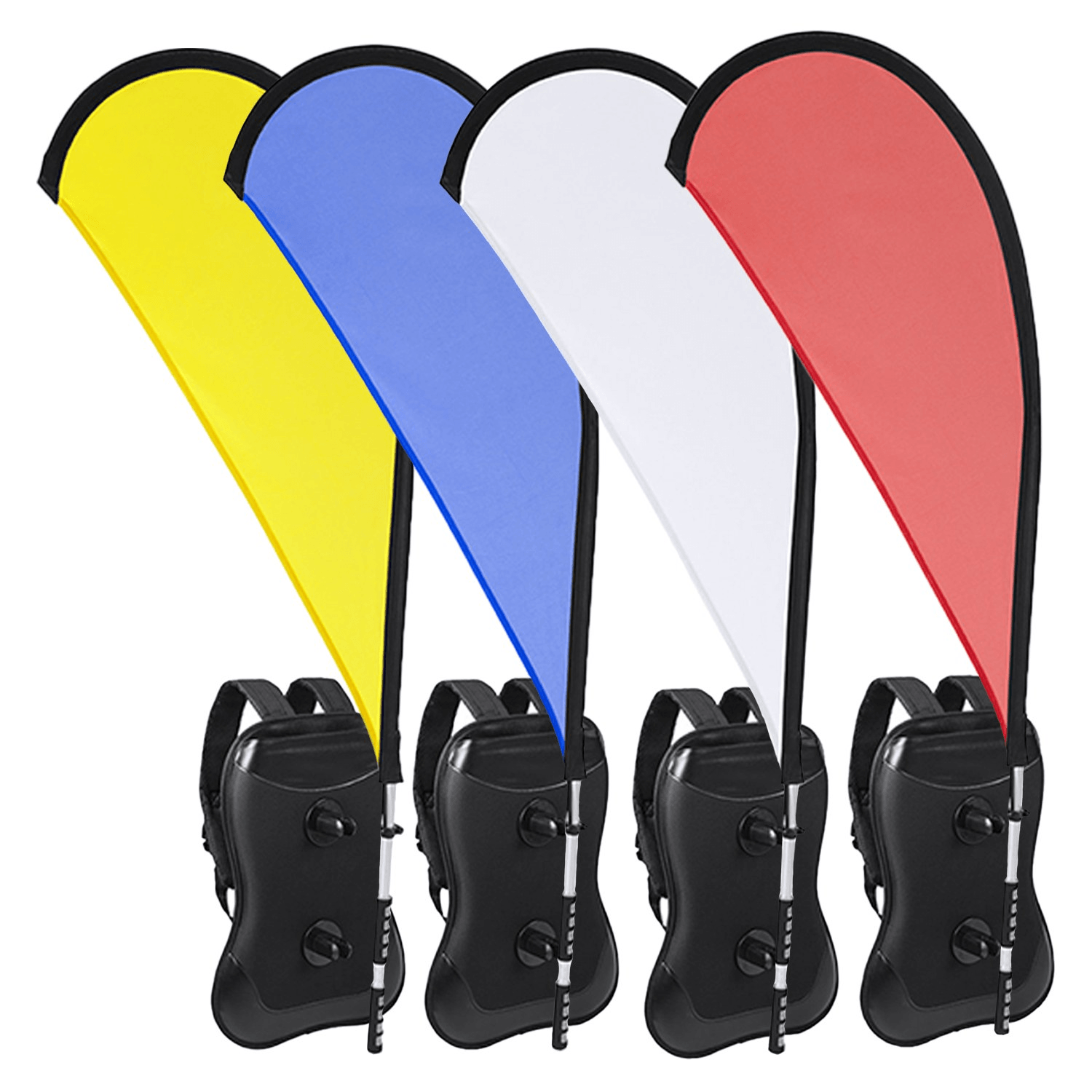
Flagpole
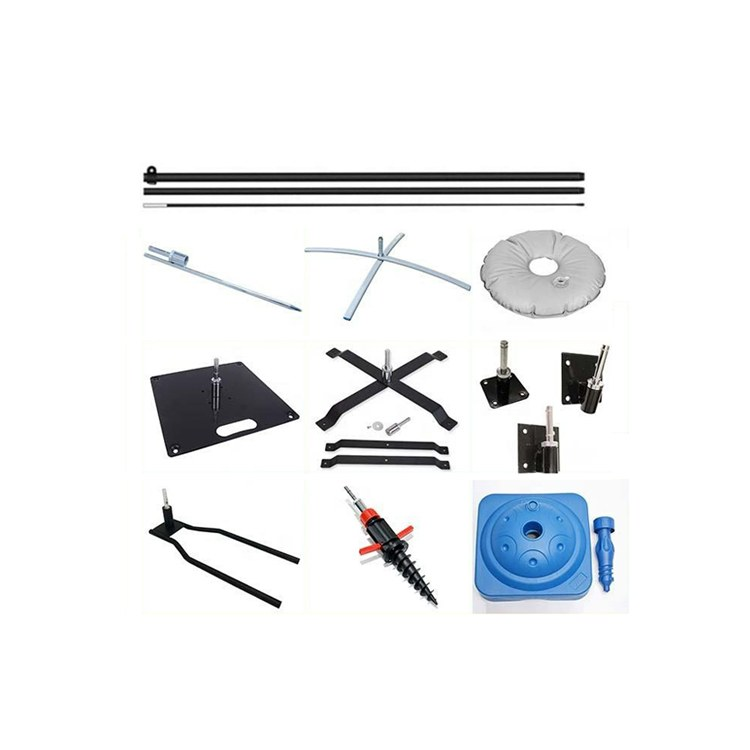
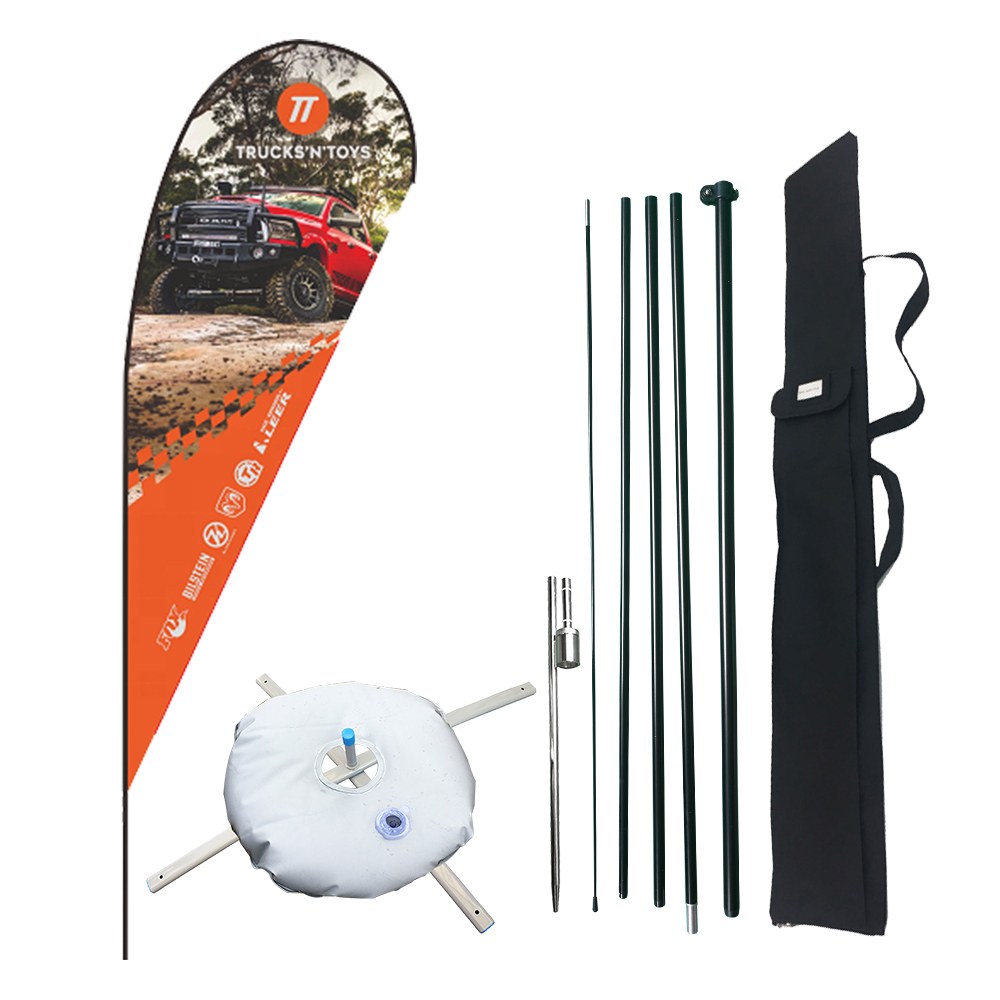
To point the way and lift the brand, a flagpole carries colour above the crowd. A flagpole at the union entrance and the residence-hall gateway marks the route for arriving families and frames the gateway for welcome-week photos. The trick is holding it there through a weekend of wind off the open quad — a weighted foot keeps it upright so the school colour stays in frame without a crew constantly resetting it. At night, a lit flag becomes the landmark students use to find their way back to the hall.
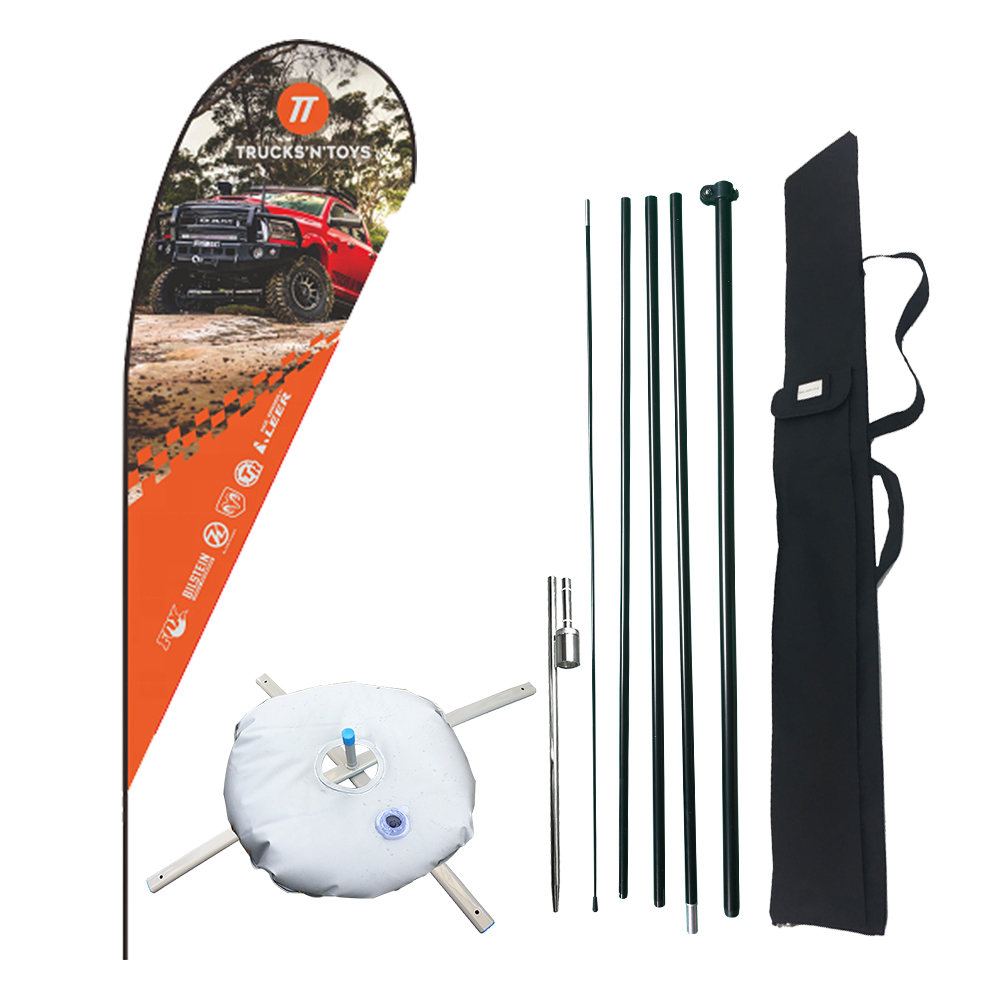 Figure: A flagpole carries school colour above the residence-hall gateway.
Roll-up Banner
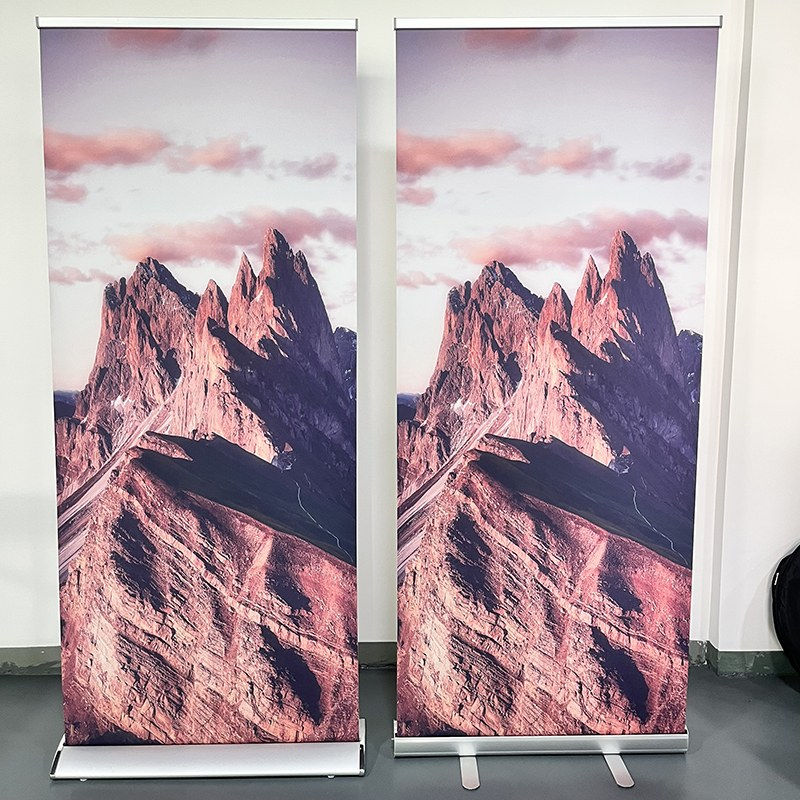
For set times, stage changes and the club-expo map, a roll-up banner stays the quiet workhorse. A roll-up banner weighs about four kilograms, unrolls in seconds and rolls away just as fast between the union and the lawn. Stacked with the full modular kit, it all fits in a campus pickup, so a small crew can reset the signage between the afternoon and evening programmes. One roll-up banner carries the day's schedule; a second carries the club map; a third points the way to the parking lot, and all three swap in under a minute.
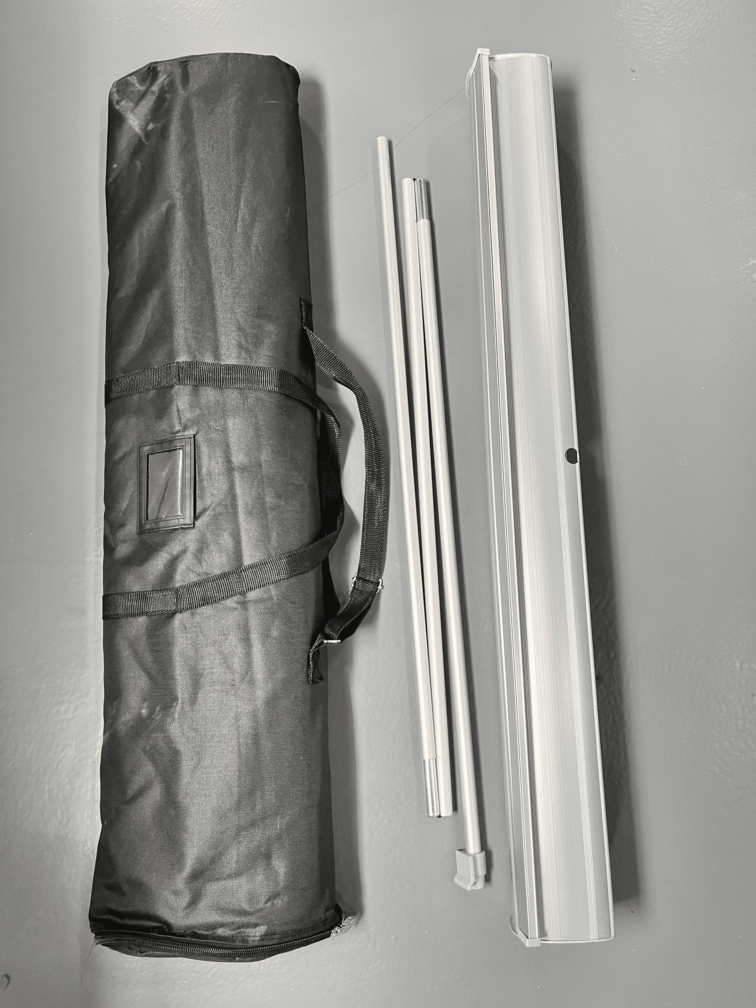 Figure: A roll-up banner shares the day's schedule near the union entrance.
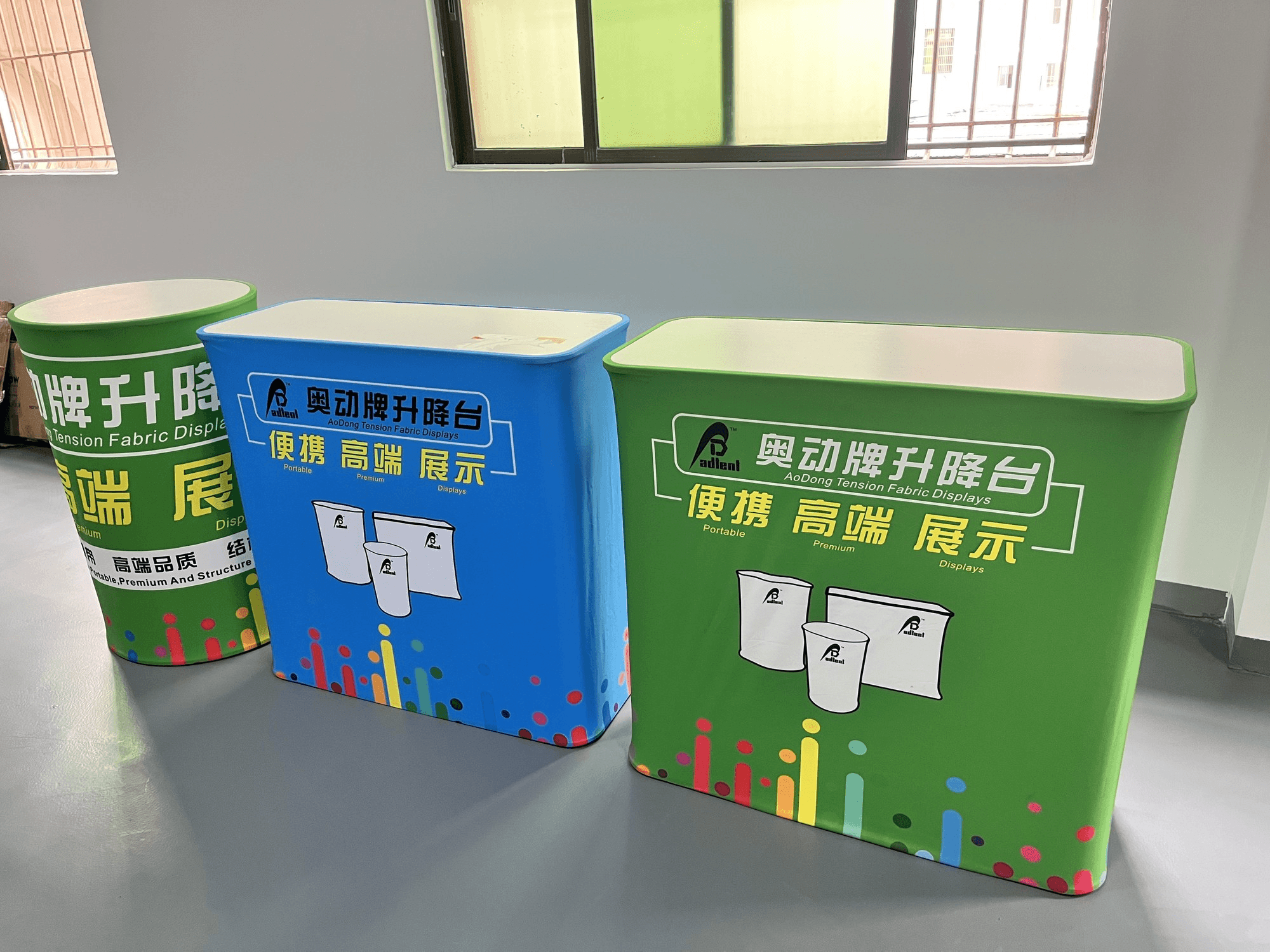
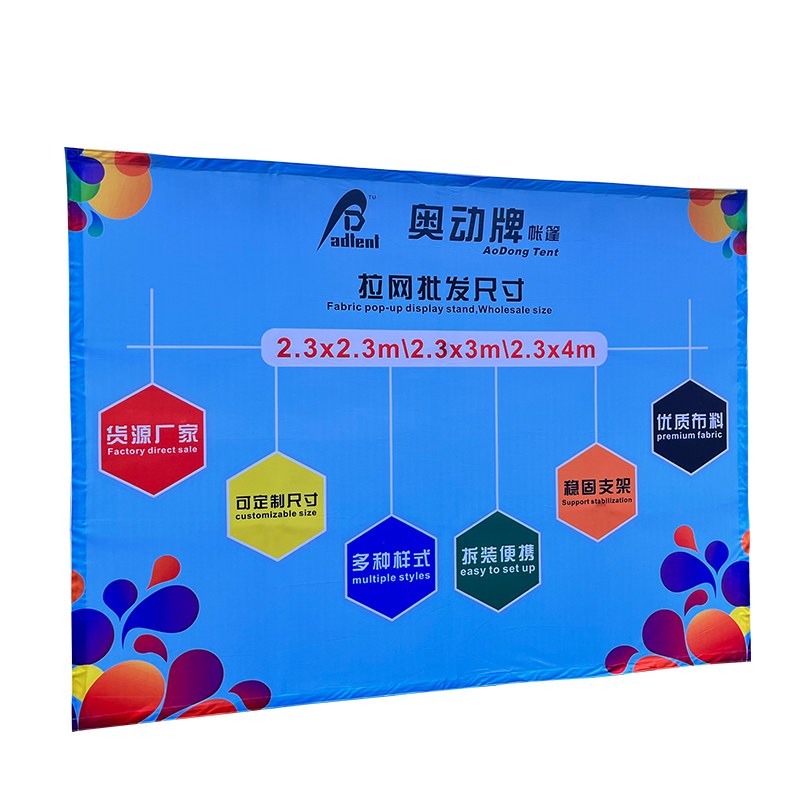
Tension Fabric Display
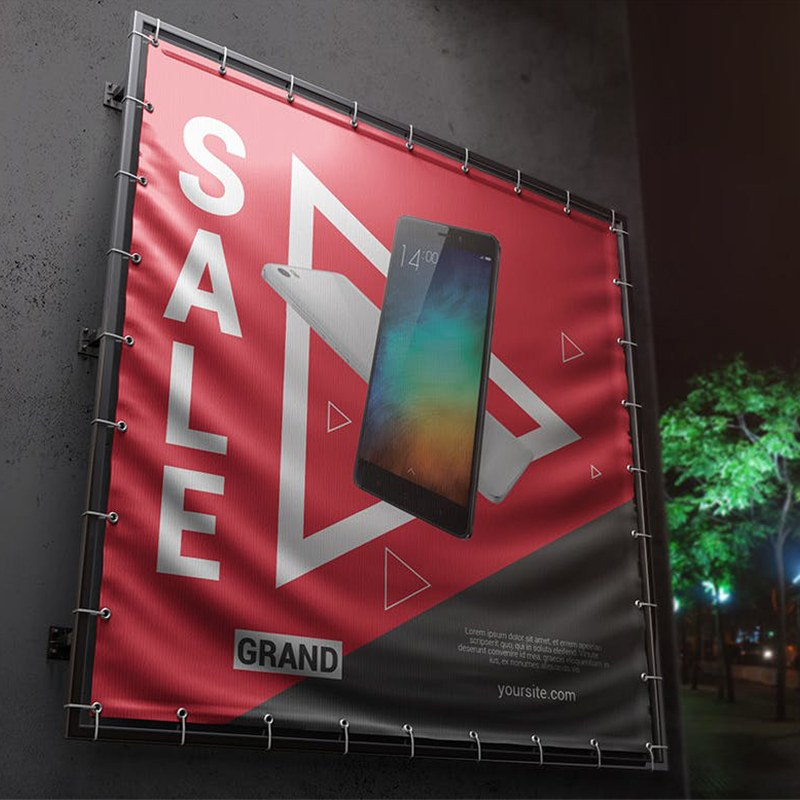
Where the cameras settle, a tension fabric display earns its place. For the convocation backdrop, the president's photo call and the post-rally selfie, a tension fabric display with the school crest makes a clean, seamless surface. It prints flat, folds small and sets up in minutes — far easier to ship between the union, the arena and the lawn than built scenery, and a fraction of the cost of a custom build struck after a single weekend. The tension fabric display also works as a quiet divider between the welcome desk and the crowd, and the same graphic can travel to the alumni reception and the homecoming tailgate months later. The tension fabric display is also the most-photographed piece on welcome weekend.
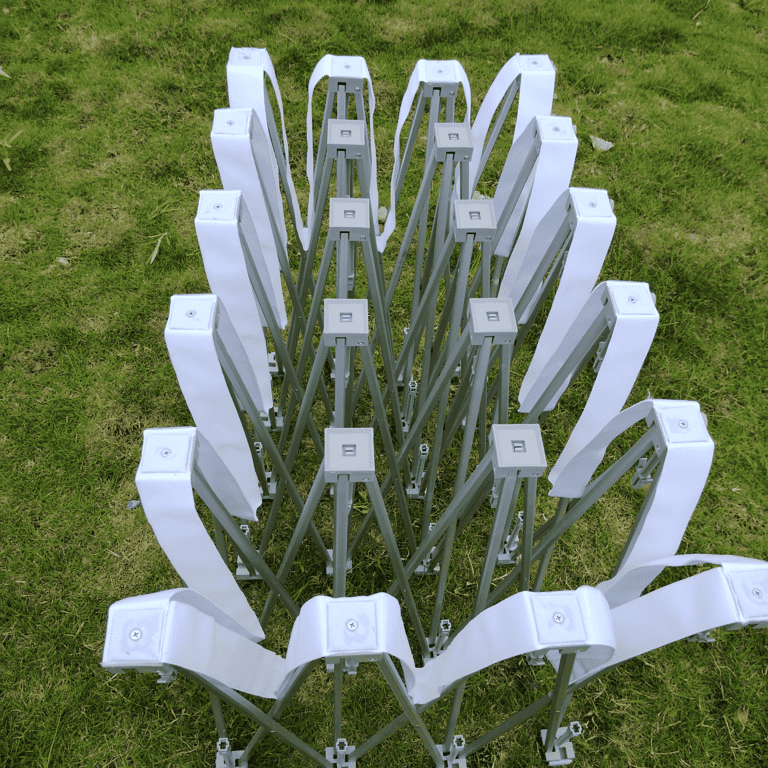 Figure: A tension fabric display serves as a clean convocation backdrop.
“The calendar stacks up and themes change fast, so the kit has to be light, durable and quick to swap,” said one campus-events supplier who builds orientation and welcome-week programmes across the US Midwest. Modular pieces are replacing one-off carpentry: half an hour to open, fold-and-go at the end of the night, and ready to deploy at the next stop on the tour.
The shift is as much about budget as it is about looks. Orientation teams that once commissioned custom carpentry for each event now favour kits that pack into a car and survive a full academic year of activations. Reusable structures also trim waste, a point that matters to schools marketing themselves as sustainable. The result is a quieter but steadier presence: fewer one-night spectacles, more reliable branding that shows up the same way at every stop on the welcome-week tour.
For universities weighing their own welcome-week programme, the takeaway is practical rather than promotional. A coordinated set built around the canopy tent, the portable stage, the tables and chairs, the branded tablecloth, the flagpole, the roll-up banner and the tension fabric display lowers cost per activation, steadies the visual identity from one event to the next, and speeds the response when a thousand new students arrive at once. The schools that win move-in are not the ones with the biggest build, but the ones who can raise a recognizable space before the first family pulls into the lot.
As America's college towns fill with arriving students from Grand Rapids to Minneapolis, the campuses that raise their sign first are the ones that catch the attention first — and the ones most likely to be remembered after the tents come down and the first class begins.