


As the Iowa State Fair opens its gates on Aug. 13, America's fair-and-school season turns public ground into branding stages
The Iowa State Fair opened its gates this morning, 13 August 2026, under the theme “Fair Spirit,” and runs through 23 August on the Des Moines fairgrounds. It is one of the oldest and largest agricultural expositions in the United States, drawing more than a million visitors a year. It shares its opening day with the Illinois State Fair in Springfield and the Missouri State Fair in Sedalia, both also running 13–23 August. Across the same window, back-to-school block parties and supply giveaways are filling parking lots from Philadelphia to Denver. For the sponsors, vendors and display suppliers behind these events, the question is the same: how do you stand out in a crowded field without building from scratch each time?
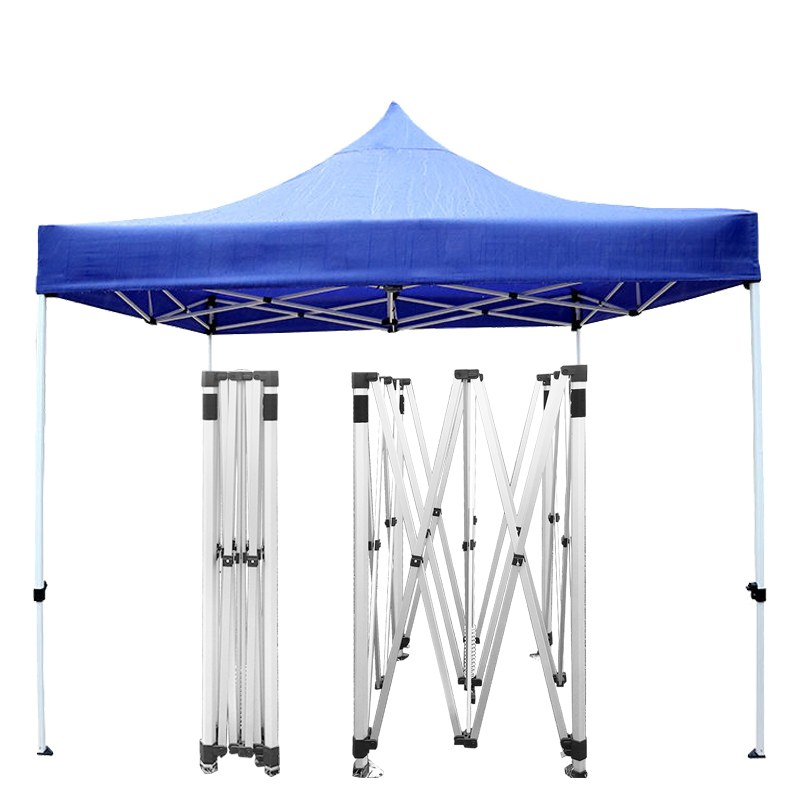
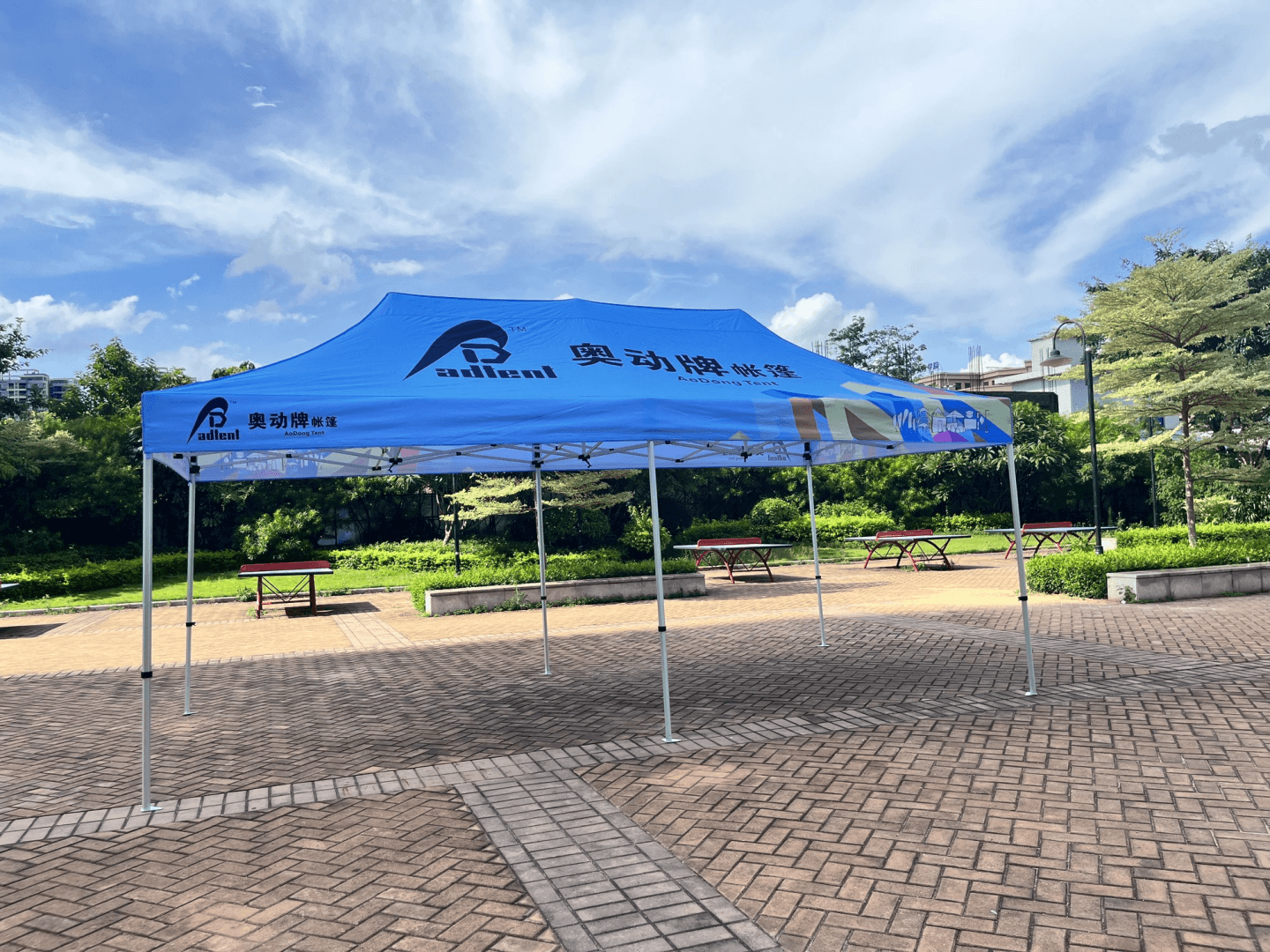
On the midway and along sponsor row, the workhorse is the canopy tent. A canopy tent gives a food brand, a local credit union or a county farm bureau a shaded, weather-ready footprint that pops up in under an hour and folds away into a van. Fair operators reuse the same tent across multiple activation sites, which keeps the look identical from the livestock barns to the Grandstand and cuts the cost of hiring outside builders.
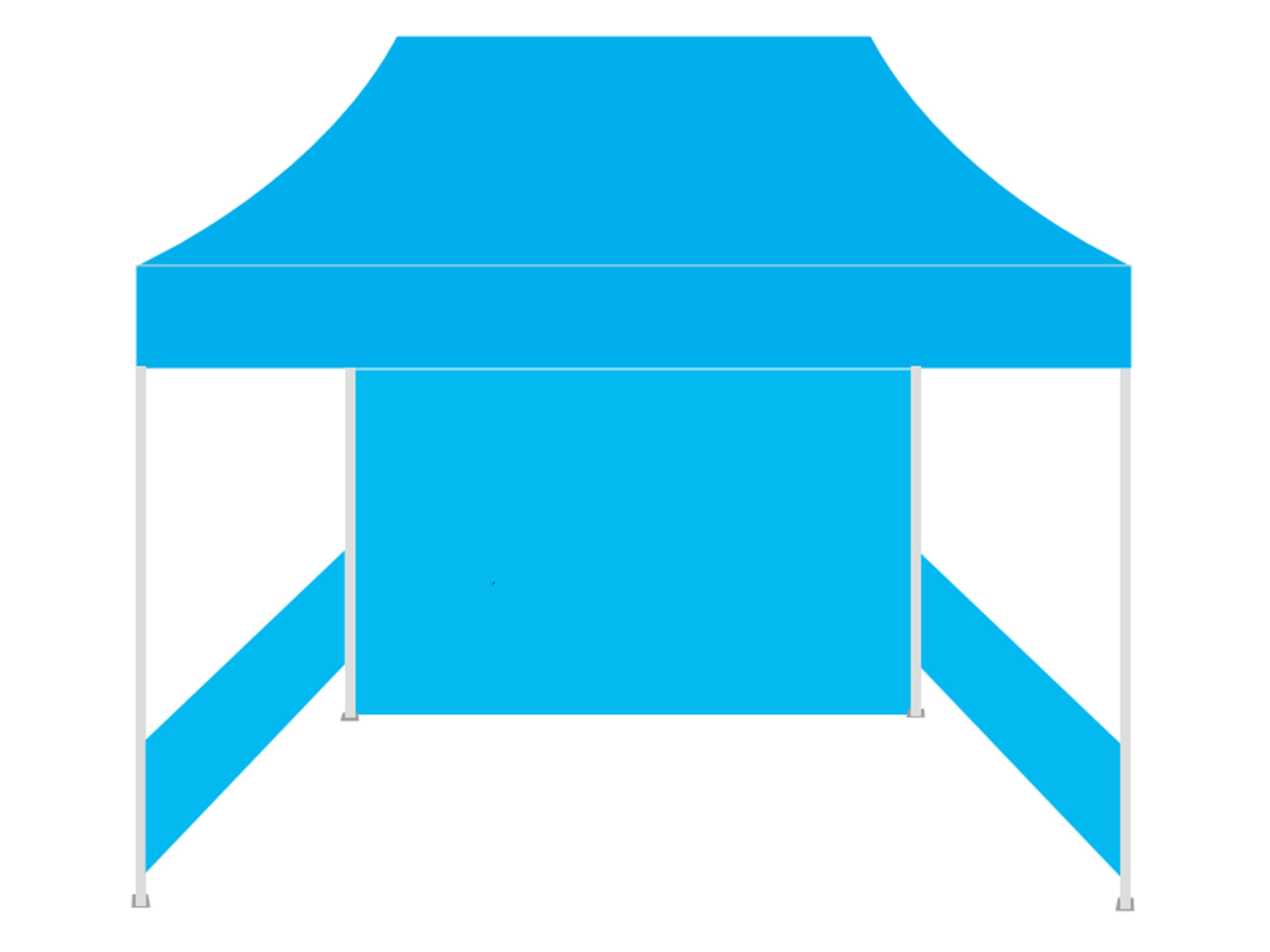 Figure: A canopy tent anchors a sponsor booth on the fair midway.
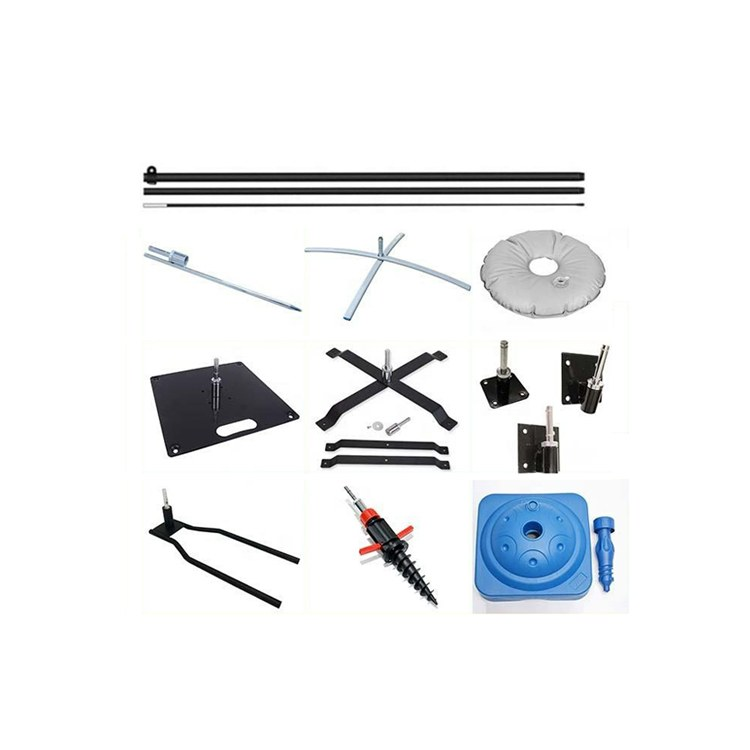
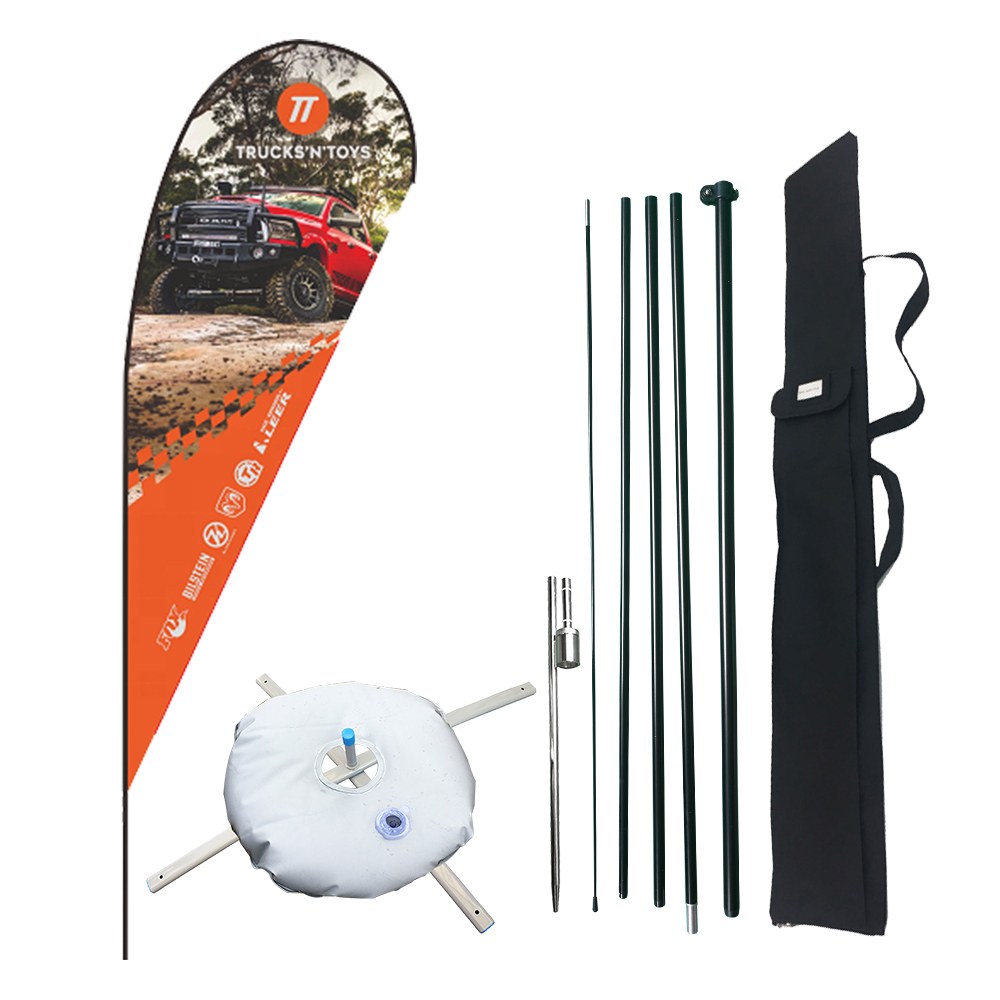
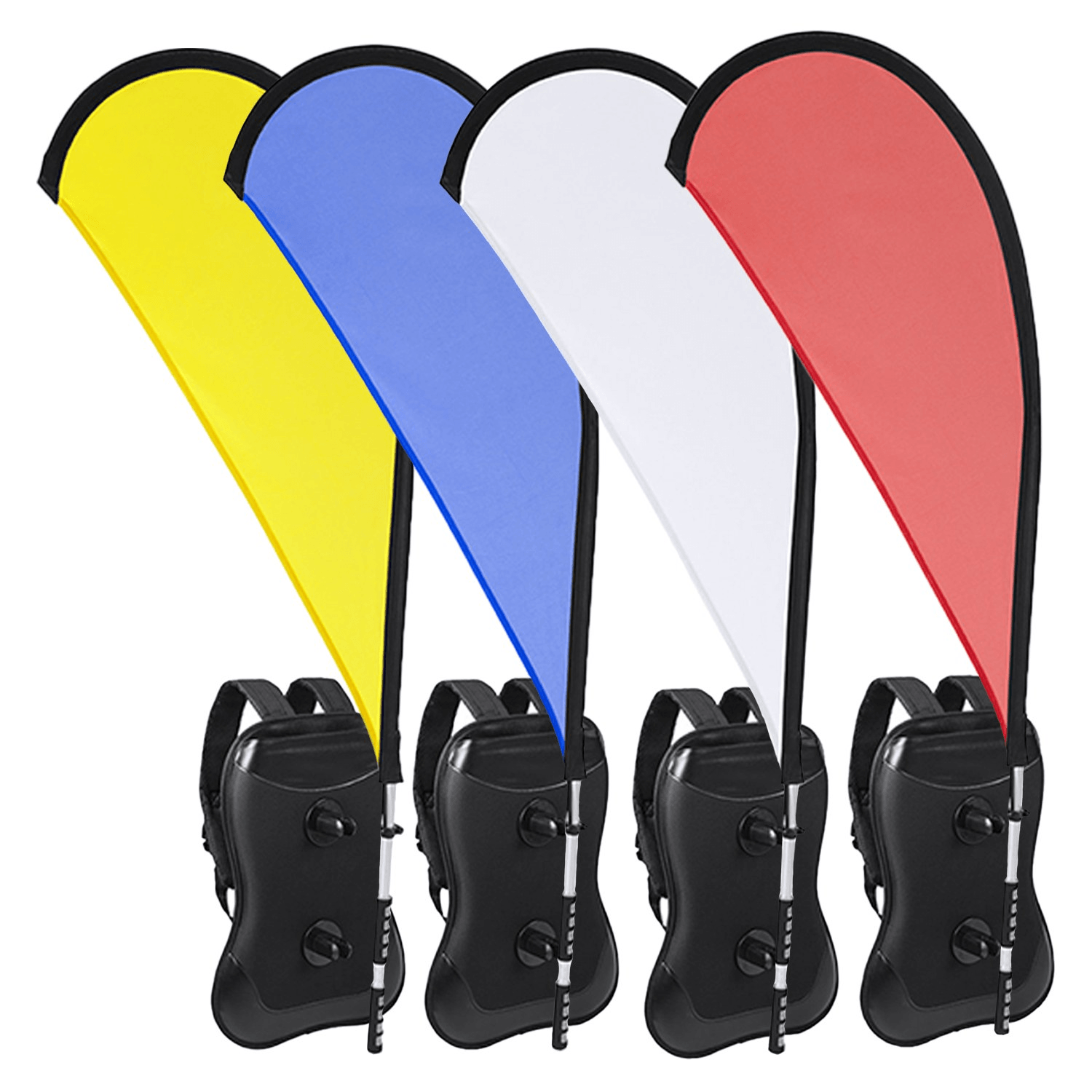
The cheapest vertical colour on the grounds is the feather flag. From the entrance to the exhibit halls, a feather flag on a slim pole is the fastest way to add brand colour above a crowd. Suppliers report fairs ordering more than a dozen feather flag designs for plazas, parade routes and broadcast sightlines, where the flag has to read clearly on camera and survive a week of wind off the prairie.
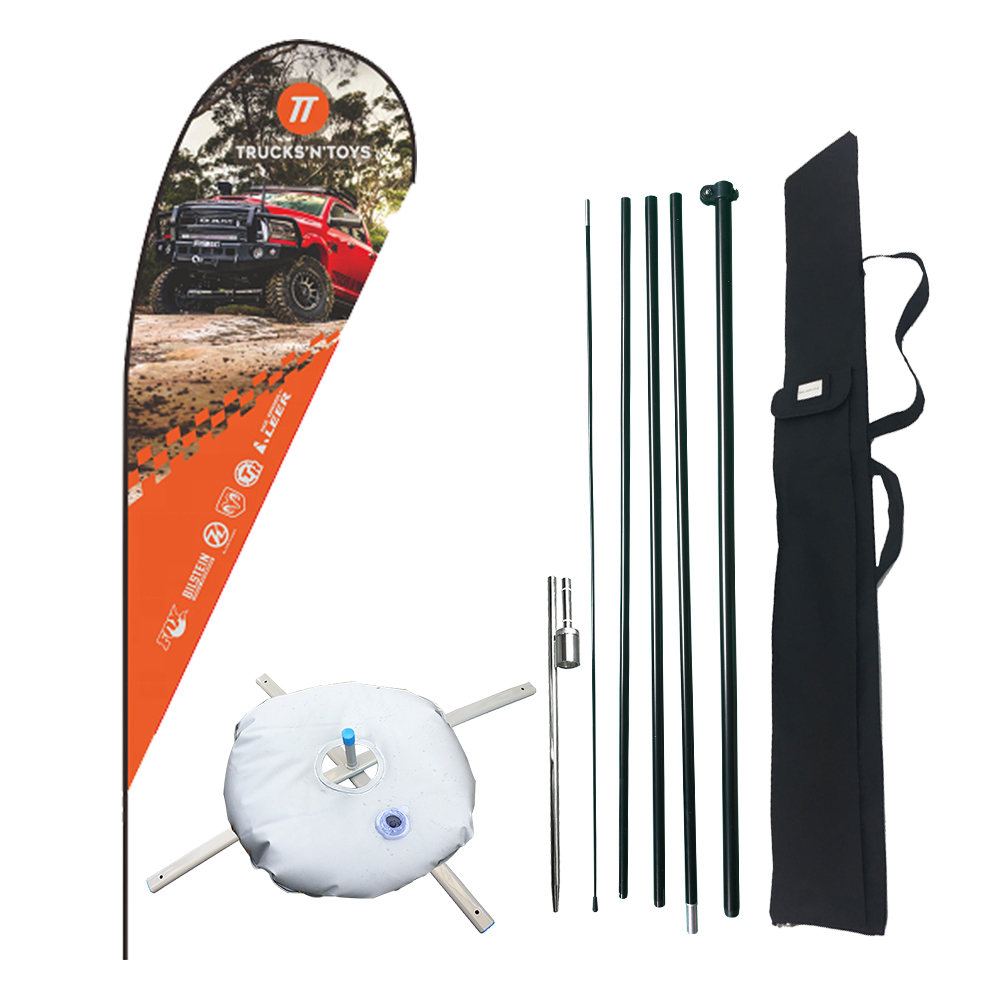 Figure: Feather flags line the approach to a fairgrounds exhibit hall.
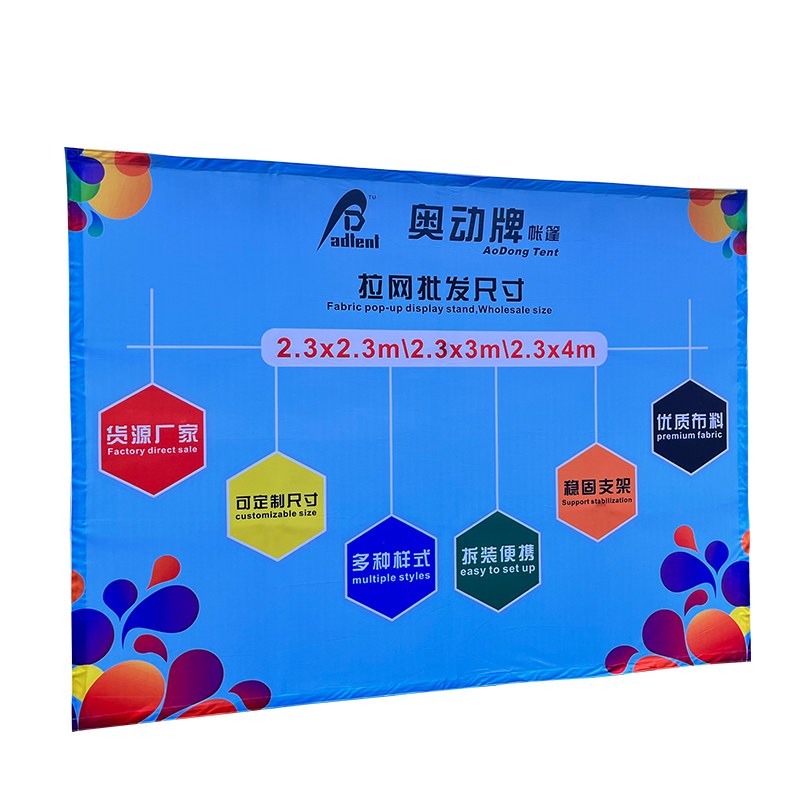
Where the cameras settle, a tension fabric display does the heavy lifting. For artist meet-and-greets, sponsor photo calls and the post-show selfie, a tension fabric display printed with brand logos creates a clean, photo-ready backdrop. It prints flat, folds small and sets up in minutes — far easier to ship between Des Moines, Springfield and Sedalia than custom carpentry, and a fraction of the cost.
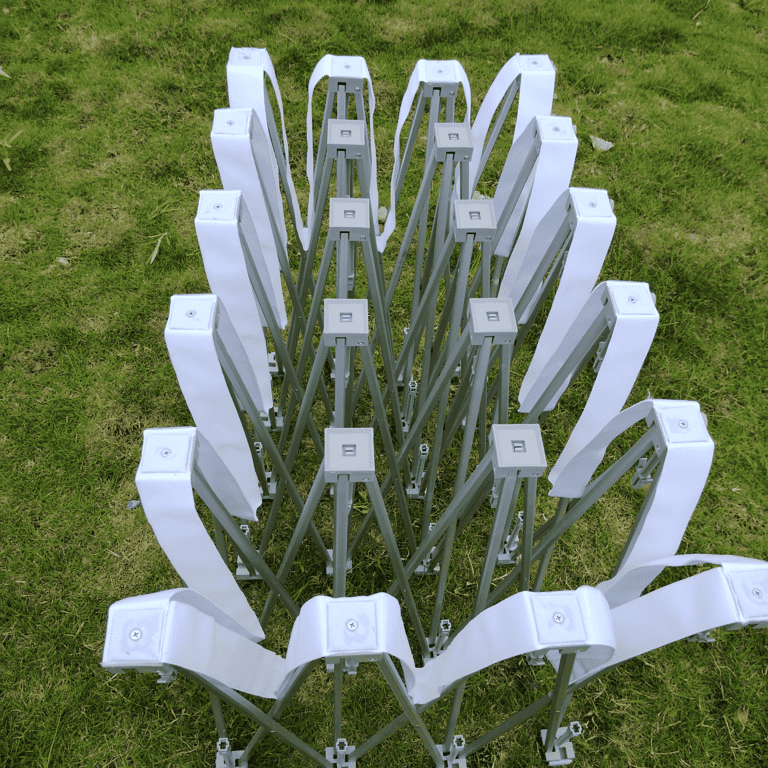 Figure: A tension fabric display serves as a sponsor backdrop for photo calls.
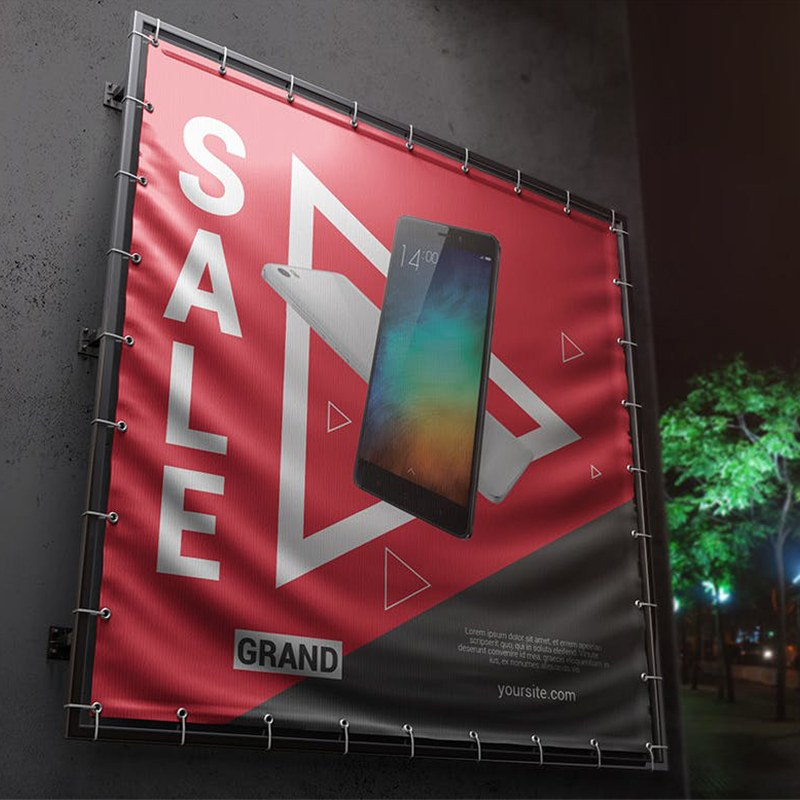
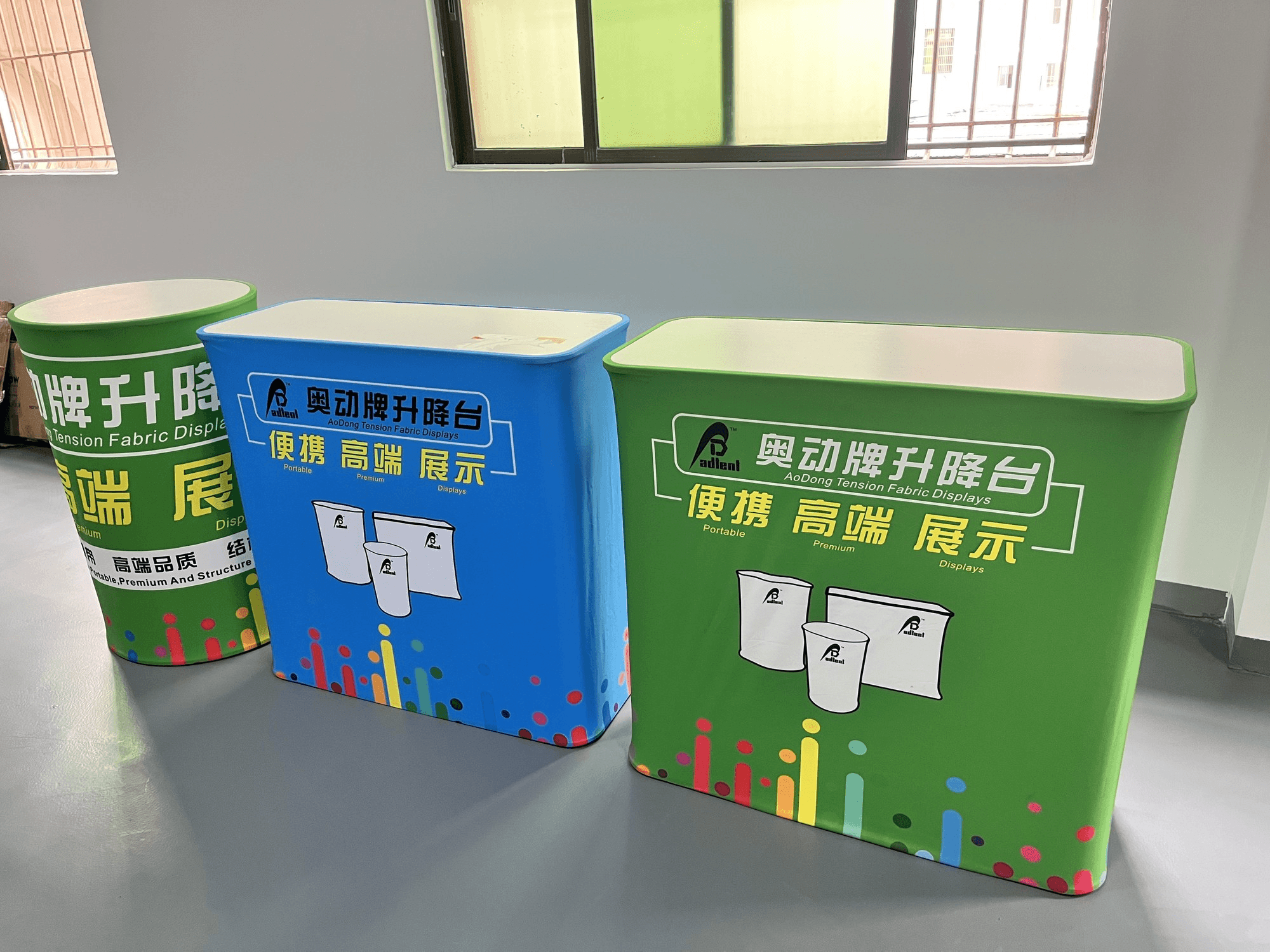
Against the side of a barn or a sponsor tent, an advertising wall turns a plain façade into a photo opportunity. An advertising wall with a bold logo becomes the natural backdrop for selfies and press shots, extending reach long after the crowd leaves. It packs into a single case and ships between events, which is why more fairs are choosing it over built scenery.
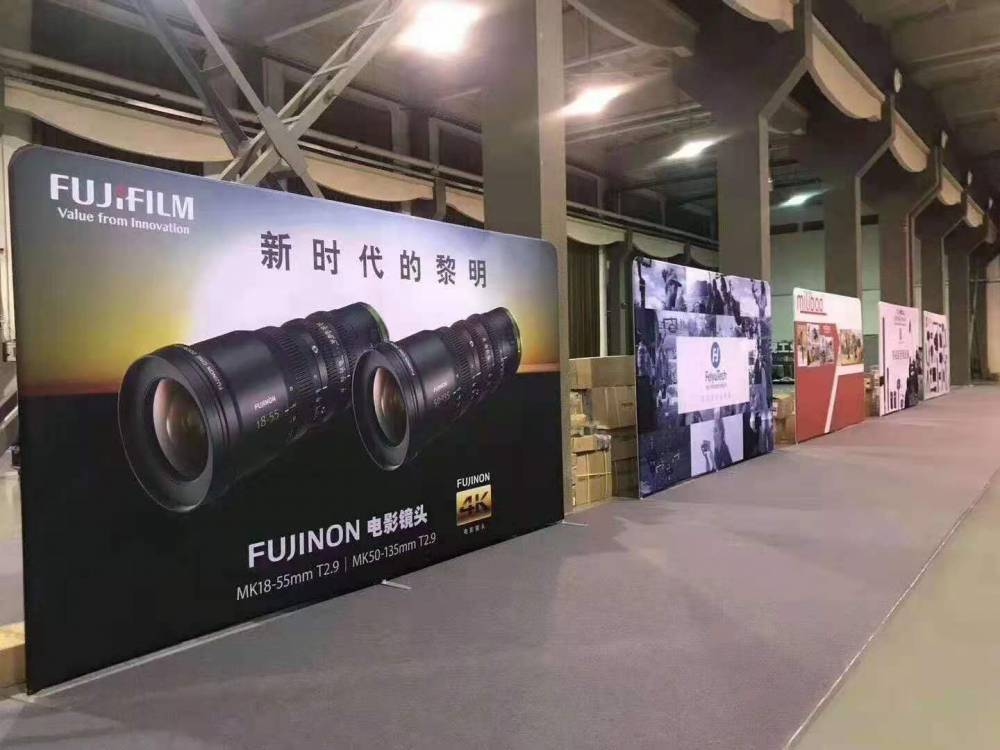 Figure: An advertising wall turns a barn façade into a press-ready backdrop.
At tasting booths, prize desks and information tables, a branded tablecloth does quiet work. A branded tablecloth turns an ordinary folding table into a finished brand station, hiding the borrowed furniture beneath a printed graphic that matches the rest of the activation. It is the cheapest piece to swap, so a sponsor can refresh the message between a morning 4-H show and an evening concert without changing the whole setup.
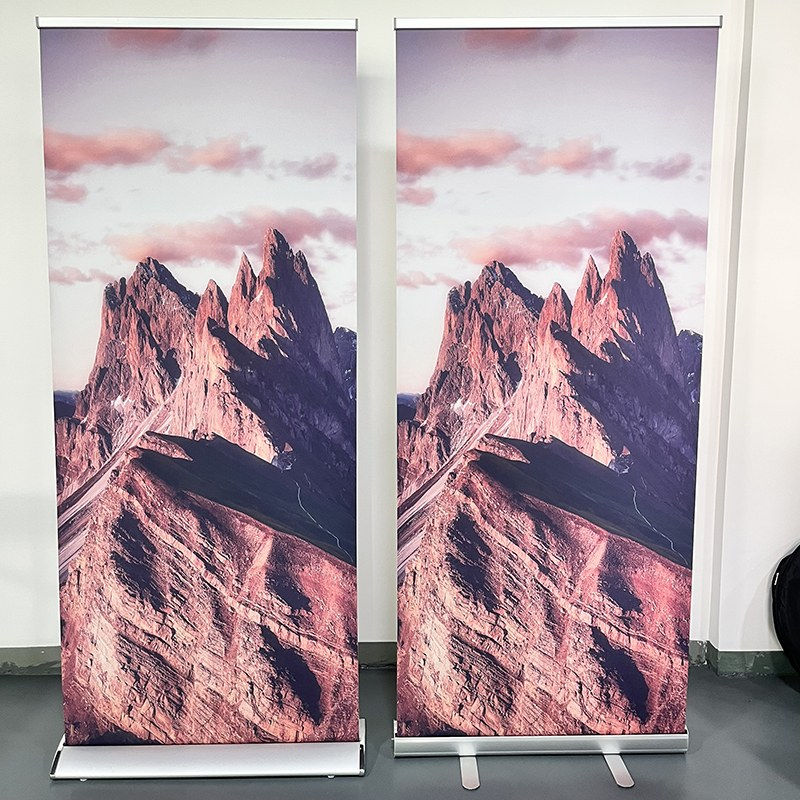
For set times, ticket upgrades and next year's early-bird passes, a roll-up banner stays the quiet workhorse. A roll-up banner weighs about four kilograms, unrolls in seconds and rolls away just as fast between venues. Stacked with the full modular kit — tents, flags, walls and banners — it all fits in a fairgrounds pickup.
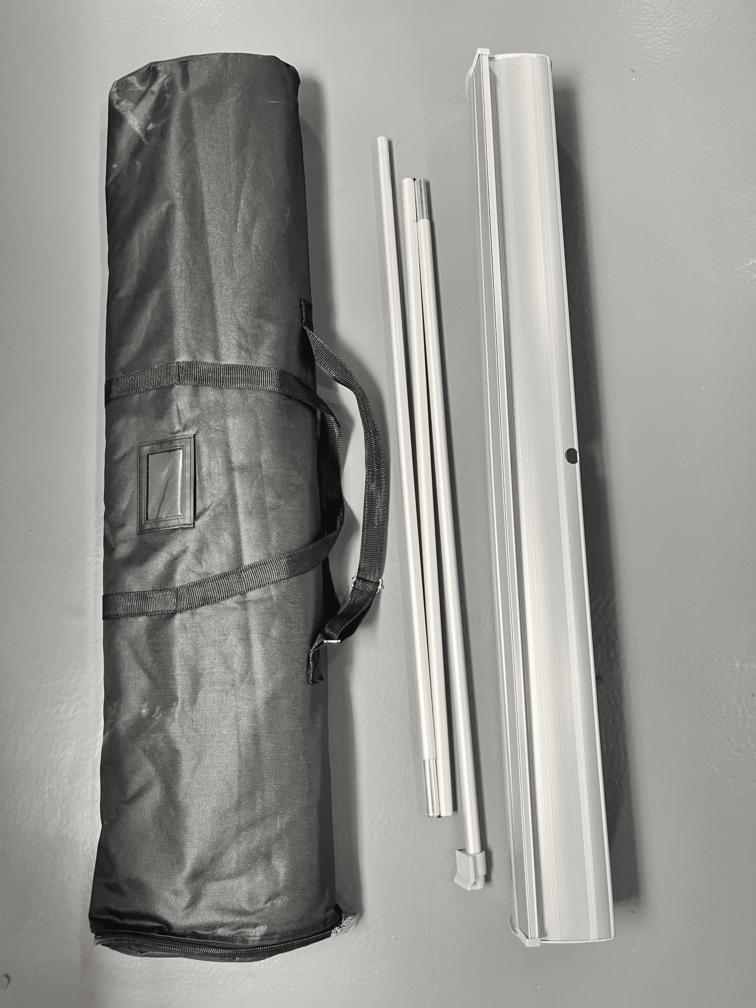 Figure: A roll-up banner promotes show times and upgrades near the Grandstand.
When the free stages fire up after dark, a portable stage carries the smaller acts. A portable stage lifts a school band, a dance troupe or a local emcee above the lawn without a permanent build, and it breaks down into wheeled decks that a small crew can move between the plaza and the pavilion. For back-to-school bashes in church lots and community centers, the same portable stage doubles as a stage for the supply giveaway and the evening talent show.
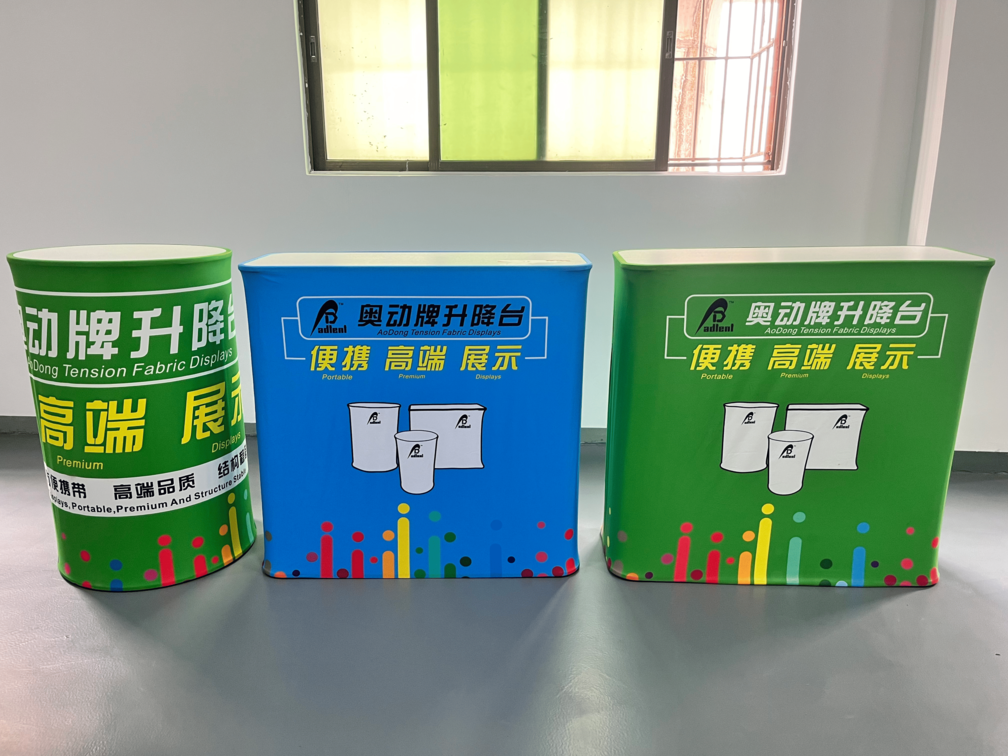 Figure: A portable stage lifts a local act above the fairgrounds lawn.
For the premium sponsor lounge, a hexagonal tent gives a softer footprint than a box frame. A hexagonal tent frames a shaded conversation corner, a nursing tent or a VIP tasting, and its six-sided silhouette reads as a deliberate space rather than a leftover booth. It ships in the same van as the rest of the kit and sets up in minutes beside the main tent.
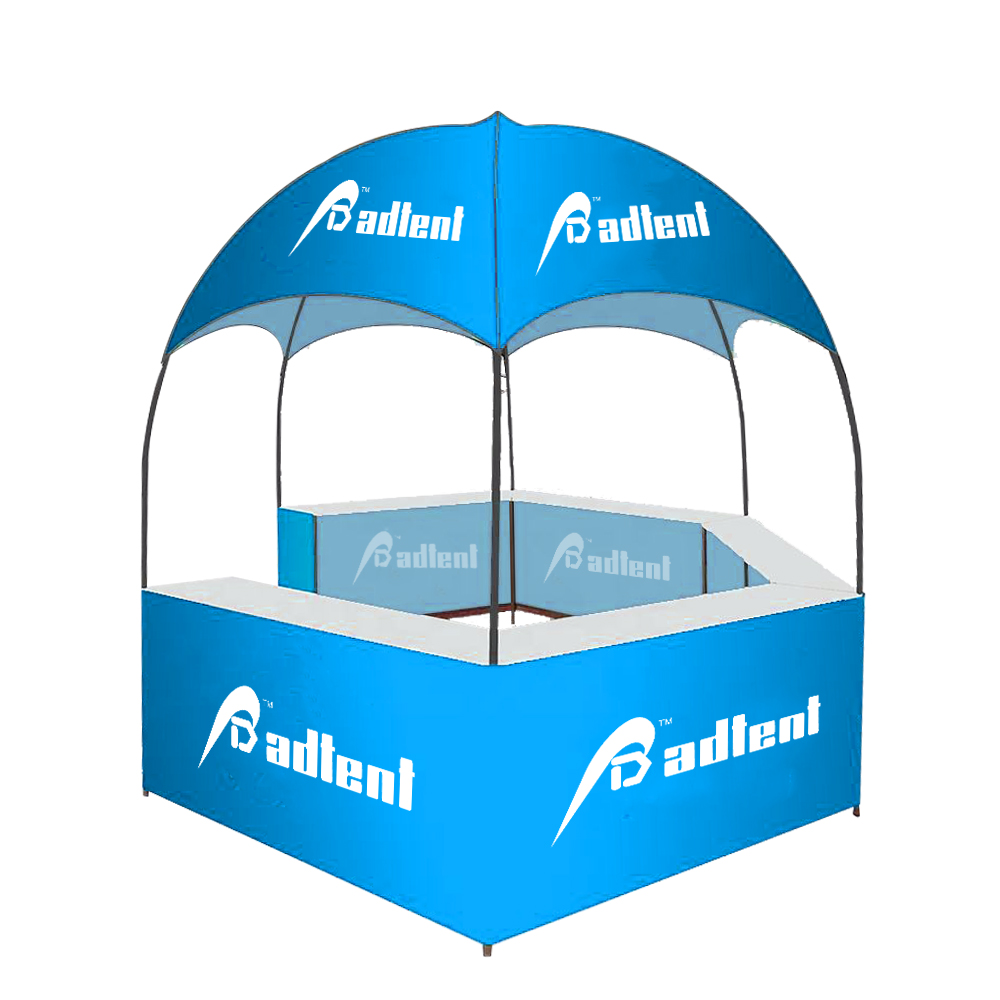 Figure: A hexagonal tent frames a premium sponsor lounge on the fairgrounds.
For brands weighing their own late-summer programme, the takeaway is practical rather than promotional. A coordinated set built around the canopy tent, the feather flag, the tension fabric display and the branded tablecloth lowers cost per activation, steadies the visual identity from one city to the next, and speeds response when the crowd suddenly arrives. The organisers who win the season are not the ones with the biggest build, but the ones who can raise a recognizable space before the first visitor does.
As summer crowds fill fairgrounds and schoolyards from Des Moines to Denver, the brands that raise their sign first are the ones that catch the attention first — and the ones most likely to be remembered after the midway lights go dark.