Picking the right business banner supplier really influences how customers see, remember, and trust your company. For folks buying from around the world, it’s about more than just grabbing the lowest price. Things like material quality, true colors, weather resistance, production capacity, packaging, and reliable delivery are just as important. Sure, your banner might look super impressive on your laptop screen, but it could fall apart when exposed to strong sunlight, wind, or when you’ve got to put it up repeatedly. Tiny details tend to show up pretty fast once it’s out in the real world.
Marty Neumeier, a well-known branding expert and author, once said, “A brand isn’t what you say it is. It’s what they say it is.” That’s so true when it comes to buying banners. Whether it’s a vinyl banner, fabric display, or retractable sign, these items become part of your company’s public face. It’s a good idea to look at supplier samples, specs on the print, finishing options, and how they handle customer service before you commit to a big order. Brands like Vistaprint, BannerBuzz, Signs.com, and Printful each have their own ways of customizing, volume, and fulfillment. But honestly, no supplier’s perfect—that’s something you should keep in mind.
This guide is all about helping you find the best business banner suppliers for global buyers, focusing on real-world performance rather than flashy promises. We’ll look at how flexible they are with orders, how they handle proofing, the materials they use, support for branding, and their experience with international shipping. It’s also smart to double-check local import rules and what the installation involves. Yeah, a cheap banner might seem like a steal, but it can end up costing you more with reprints, delays, or damaged packaging. The lesson from experience? Always ask for a sample first. Even then, you’re not guaranteed perfect judgment — colors can look different on screen, and reviews can get outdated. Finding a reliable supplier isn’t about taking one good deal at face value; it’s about comparing options, digging into the details, and being willing to question those promises that sound too good to be true.
What Business Banners Are and Why Global Buyers Need Them
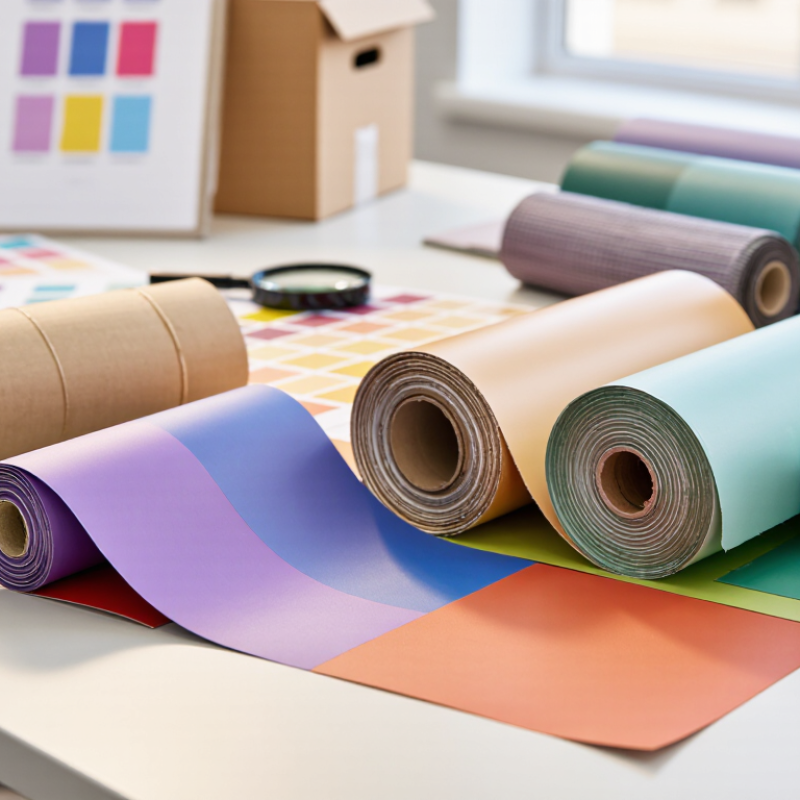
Business banners are large-format visual tools used to identify a company, promote an offer, or guide visitors. They may appear on building facades, exhibition walls, fences, counters, or temporary event frames. Their value is practical: a clear banner can communicate location, purpose, and identity within seconds. The global digital printing market was valued at about USD 36 billion in 2022, according to Grand View Research’s 2023 market analysis. Its projected growth reflects rising demand for customized, short-run graphics. Business banners benefit directly from this shift. Buyers can order regional designs without storing thousands of identical units.
Global buyers need more than attractive artwork. They need consistent color, accurate dimensions, strong hems, reliable eyelets, and materials suited to local weather. The Smithers report The Future of Digital Print for Signage and Display identifies signage as a continuing growth area for digital production, supported by personalization and faster turnaround. That matters when a buyer needs separate language versions for several markets. It also reduces waste, although not always. Poor measurement can still create costly reprints.
A professional supplier should provide a digital proof, material specifications, packing details, and realistic production timelines. Outdoor banners may require UV-resistant inks, wind slits, or reinforced edges. Indoor displays need different priorities, such as low odor and easy installation. Fire-performance requirements also vary by venue and region, so buyers should request documented test results rather than assume compliance. The cheapest quotation can be misleading. A banner that fades quickly, arrives creased, or misses customs paperwork is not economical. Small details matter.
Key Banner Types for Offices, Events, Retail, and Outdoor Branding
For offices, fabric banner systems create a clean reception wall without permanent construction. They suit logos, values, and directional messages. In meeting areas, roll-up banners remain practical because teams can store them quickly. According to Grand View Research, the global digital signage market reached about USD 31.1 billion in 2023. This growth shows that buyers increasingly value flexible visual communication, although printed banners still work better during power-free events.
Events need lightweight displays, fast assembly, and readable graphics from several metres away. Pop-up backdrops and hanging banners support registration desks, conference stages, and temporary exhibitions.
Retail locations often need smaller shelf-edge banners, window graphics, and freestanding displays. The message must remain clear beside competing products.
Outdoor branding requires stronger materials, reinforced hems, UV-resistant inks, and stable bases. Wind is not a design detail; it can damage an entire campaign. The Outdoor Advertising Association reports that out-of-home advertising continues to attract substantial global investment, but suppliers should state weather ratings clearly. Some specifications remain vague.
Ask for fabric weight, fire-safety documentation, print durability, and replacement-part availability. Request a physical sample before ordering. Check colour consistency under indoor and daylight conditions. According to promotional-industry research, U.S. promotional product sales reached approximately USD 26.6 billion in 2023, showing the value of physical brand visibility. Still, a larger banner is not automatically better. Measure viewing distance, doorway width, transport space, and installation time. A supplier’s production experience matters, especially when several locations require matching graphics.
How to Assess Banner Suppliers Across International Markets
Assessing banner suppliers across international markets requires more than comparing unit prices. In supplier audits, I check material specifications, print consistency, finishing quality, and export discipline. A sample should show its fabric weight, coating type, fire-performance documentation, and color tolerance. Ask for production photos, batch records, and a recent inspection report. Small details matter.
The World Bank’s Logistics Performance Index 2023 assessed 139 economies across customs, infrastructure, tracking, and delivery reliability. Use those categories when comparing production regions. UNCTAD’s Review of Maritime Transport 2023 states that roughly 80% of global merchandise trade by volume moves by sea. Therefore, evaluate port access, packaging strength, moisture protection, and realistic sailing schedules. A low factory price can become expensive after delays, rework, or damaged cartons.
For Business Flags, verify stitching density, reinforced corners, grommet spacing, and outdoor color durability. Request a physical pre-production sample. Then test folding, tension, rain exposure, and repeated installation. ISO 9001 certification can indicate controlled processes, but it does not guarantee attractive banners. I once treated certification as proof of quality. That was too optimistic. Check corrective-action records and speak with two recent international customers. Also confirm Incoterms, payment milestones, replacement policy, and traceability before signing. Suppliers should explain what happens when a batch fails inspection. Silence is a warning.
Top Business Banner Suppliers for Global Buyers
How to Assess Banner Suppliers Across International Markets
The 2023 World Bank Logistics Performance Index (LPI) overall score can be used as a market-level screening signal when evaluating international banner suppliers. Higher scores generally indicate stronger customs, transport infrastructure, logistics services, shipment tracking, and delivery reliability. Buyers should combine this indicator with material quality, production capacity, compliance documentation, lead times, and total landed cost before selecting a supplier.
Source: World Bank, Logistics Performance Index 2023. Scores range from 1 to 5.
Quality, Compliance, Packaging, and Shipping Considerations
Quality and compliance should lead every
Business Flags And Banners
sourcing decision. Buyers should request fabric specifications, colorfastness results, stitching details, and pre-production samples. ISO 9001 certification can support process consistency, but it does not replace product inspection. Local rules may also require fiber labels, fire-performance testing, or customs documentation. Requirements differ by destination.
Packaging deserves equal attention. OECD’s Global Plastics Outlook reports that packaging creates about 40% of global plastic waste. Choose recyclable cartons, avoid excessive wrapping, and protect folded banners from moisture. A sealed inner bag and desiccant can prevent mildew during ocean transit. Small details matter. Still, “eco-friendly” claims need evidence, not attractive wording. Buyers should request material declarations and packaging weights.
Shipping plans must match the product’s volume and urgency. UNCTAD’s Review of Maritime Transport states that over 80% of global merchandise trade moves by sea. Sea freight lowers cost but increases exposure to humidity, handling, and delays. Air freight is faster, yet oversized display systems can become expensive quickly. Confirm carton dimensions, gross weight, pallet limits, Incoterms, inspection timing, and insurance before production. A realistic buffer is wise. Perfect delivery promises are rarely realistic, and even careful suppliers can miss a sailing window.
Comparing Supplier Pricing, Lead Times, and Minimum Order Policies
Top Business Banner Suppliers for Global Buyers
Comparing supplier pricing requires more than checking the unit quote. In my sourcing experience, a low price can hide artwork fees, packaging charges, or expensive sample revisions. Request a complete quotation with material, size, printing method, shipping terms, and payment schedule. A 3-meter outdoor banner may cost less per unit than a small order, but storage and delivery can change the real budget. Ask for recent production photos and a physical sample when color accuracy matters. Digital previews are useful, but they are not perfect.
Lead times often range from seven to thirty business days, depending on order volume and customization. Confirm whether production starts after payment, artwork approval, or sample approval. Delays happen. Build a buffer before trade events. Minimum order policies also deserve careful comparison. Some suppliers accept ten banners, while others require one hundred pieces for custom materials. A flexible MOQ may carry a higher unit cost, yet it can reduce excess inventory for a market test. I once underestimated revision time and lost several working days. That mistake changed my checklist. Reliable suppliers explain capacity, inspection steps, replacement policies, and shipping estimates clearly. Vague answers are a warning sign. Don’t ignore them.
How to Select a Reliable Business Banner Supplier for Long-Term Needs
Selecting a reliable business banner supplier requires more than comparing unit prices. Grand View Research valued the global digital printing market at about USD 36.9 billion in 2022. It also forecasts a 6.7% annual growth rate through 2030. This growth increases supplier choice, but not necessarily supplier quality.
Ask for material specifications before requesting a quotation. Confirm fabric weight, ink technology, stitching, pole strength, fire-safety documentation, and outdoor color-retention results. For a Flag Banner, inspect the hem closely. Loose threads often appear after repeated windy events. Request a physical sample and measure its finished size. Digital proofs can hide weak seams and inaccurate colors. Small details matter.
A dependable supplier should provide traceable production records and a clear replacement policy. The ISO Survey 2023 recorded more than 1.2 million ISO 9001 certificates worldwide. Certification does not guarantee perfect banners, but it indicates a documented quality system. Check whether the certificate covers the actual production site. Ask how complaints are logged and corrected. A supplier that avoids specific answers deserves caution.
Review lead times using real delivery examples, not optimistic promises. Confirm packaging, customs documents, artwork approval, and spare-unit options. Order one sample during your busiest season if possible. I have learned that inexpensive fabric can become expensive after one rainy campaign. My earlier assumption was simple: a lower quote meant better value. It did not. Reliable sourcing sometimes requires paying more for consistent materials, inspection photos, and responsive support.
Conclusion
Business Banner suppliers play an important role in helping global buyers promote offices, events, retail spaces, trade shows, and outdoor locations. Business banners can be produced in various materials, sizes, and formats, including fabric, vinyl, mesh, retractable, hanging, and portable displays. Buyers should evaluate suppliers based on printing quality, color accuracy, customization capabilities, durability, and suitability for different environments. Clear communication about artwork, finishing, mounting options, and packaging can also help ensure consistent results across international orders.
When comparing suppliers, global buyers should review pricing, minimum order quantities, production schedules, shipping methods, and quality control procedures. Compliance with destination-market requirements, secure packaging, and reliable delivery tracking are important for reducing operational risks. A dependable supplier should offer transparent quotations, responsive service, stable production capacity, and practical solutions for repeat orders. Selecting a partner that balances quality, cost, lead time, and customization support can help businesses build a consistent visual presence and maintain long-term purchasing efficiency.