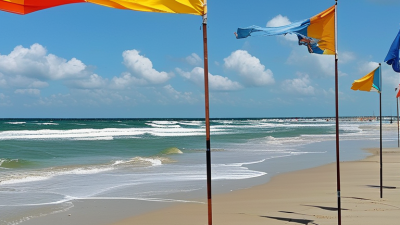
Ever seen those cool teardrop-shaped flags outdoors? They’re pretty handy for catching your eye—thanks to their unique shape, some subtle movement, and clear branding. Basically, they’re small but mighty outdoor displays designed to pull you in no matter where they’re placed—think outside shops, at trade shows, sports events, cafes, or community gatherings.
Daniel Mercer, who knows a thing or two about outdoor displays from Horizon Banner Co., put it simply: “A good teardrop flag should be easy to spot, simple enough to set up, and honest about where it's placed.” Honestly, that’s a smart way to look at it. Sure, these flags can look awesome in photos, but real life is a whole different ball game—they might behave differently next to a busy street or in windy weather. Stuff like size, fabric tension, print quality, pole durability, and the type of base you pick—everything matters when you’re using them daily. Small details can make or break how well they perform.
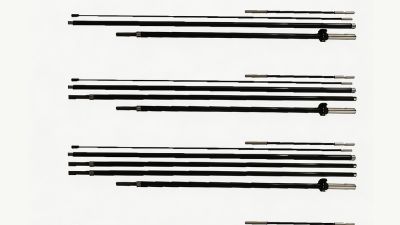
Typically, a teardrop flag has a printed polyester fabric, a segmented pole for flexibility, and a sturdy ground base. For indoor or paved spots, flat bases work just fine. When you’re outdoors, water or sand-filled bases are better — they keep everything steady when the wind picks up. What’s important is that the fabric stays readable even when it’s fluttering around, not just when it’s hanging still. Bright colors help boost visibility, but too much text can make your message confusing or cluttered.
This guide goes over what exactly a teardrop flag is, how it functions, and the best spots for using one. It also covers setup tips, maintenance, how they handle weather, and common mistakes folks make while choosing them. The truth is, not every display works everywhere. Picking the right one depends a lot on where you’re putting it, who your audience is, what the wind’s like, and what kind of campaign you’re running. And honestly, most people tend to overlook just how important those factors are.
Definition and Core Features of a Teardrop Flag
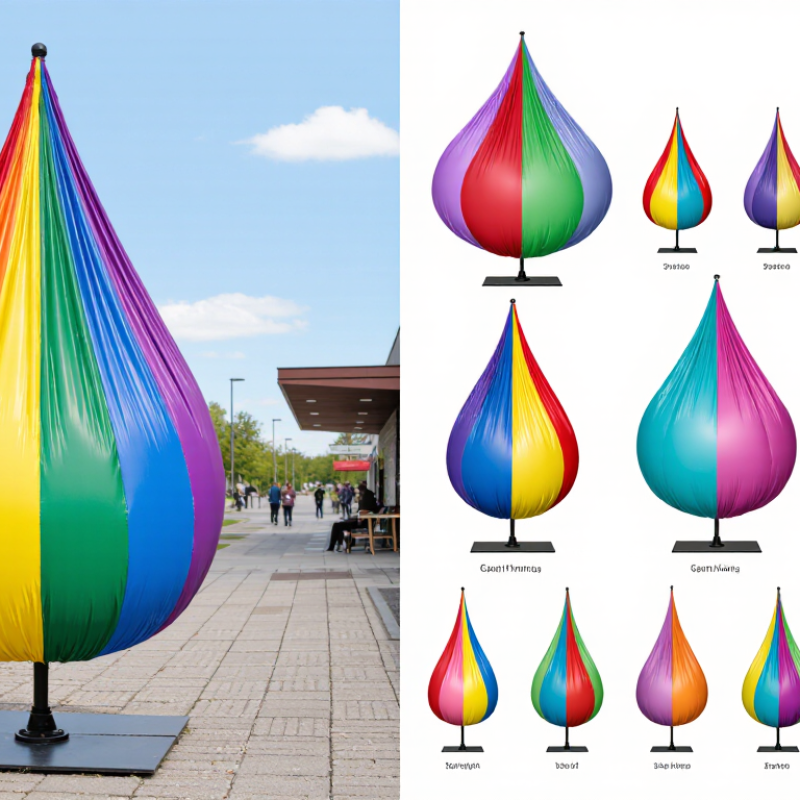
A teardrop flag is a vertical fabric sign with a rounded upper edge and a pointed lower corner. Its silhouette resembles a falling drop, although the shape is not always a perfect teardrop. A flexible pole supports the fabric through a sewn sleeve. The lower point usually stays near the ground or extends slightly beyond the base.
The main feature is visibility from a distance. The tall, narrow format presents logos, messages, or directional text at eye level. Lightweight polyester fabric is common because it dries quickly and allows clear printing. A stable base, such as a ground spike or weighted stand, keeps the flag upright. The correct base depends on the surface and wind conditions.
It moves.
In practical use, teardrop flags appear near entrances, outdoor events, retail areas, sports grounds, and temporary information points. Their curved fabric can remain readable while moving in a light breeze. However, strong wind may twist the sleeve or stress the pole. A careful user should check seams, pole joints, and base stability before placing the flag. The name can mislead; not every model offers the same height, fabric tension, or weather resistance. Measuring the display area first is a small step, but it prevents a poor fit. Personally, I would also inspect the flag after wet weather, because hidden moisture can weaken the fabric over time.
Key Materials and Structural Components
A teardrop flag is a lightweight outdoor display with a curved, drooping profile. The fabric stretches around a flexible pole, creating a readable surface in moving air. Teardrop Banners commonly stand beside entrances, roads, event tents, and temporary sales areas. Their shape reduces flutter, but it does not remove wind stress.
Fabric choice matters. Polyester is widely used because it combines low weight, color absorption, and reasonable outdoor durability. Textile Exchange’s 2024 Materials Market Report states that polyester represented about 57% of global fiber production in 2023. The report also notes that recycled polyester made up roughly 14% of polyester output. Those figures explain the material’s availability, but they do not guarantee performance. A recycled fabric still needs suitable weaving, printing, and finishing. A useful warning.
Most flags use knitted polyester with dye-sublimated graphics. This process places color inside the fibers, rather than leaving a thick surface layer. The structure usually includes a fiberglass or aluminum pole, a reinforced sleeve, stitched edges, and a ground base. Cross-stitching near the lower corner can prevent tearing during repeated assembly. ASTM outdoor-exposure methods can help assess fading and fabric strength, although field conditions remain less predictable.
Grand View Research estimated the global outdoor advertising market at approximately 39.4 billion dollars in 2023. That scale increases demand for portable displays, yet poor anchoring remains a common weakness. A water-filled base suits hard surfaces, while a ground spike needs firm soil. I would not judge a flag by fabric alone. Pole flexibility, seam tension, base weight, and daily handling often decide its real service life.
Common Types and Available Size Options
What Is a Teardrop Flag and How Is It Used?
A teardrop flag is a vertical fabric sign with a curved top and tapered bottom. Its flexible pole keeps the graphic readable when wind moves across the surface. Common types include single-sided, double-sided, indoor, and outdoor models. Single-sided flags are lighter and usually more affordable. Double-sided versions improve visibility from busy walkways, but they weigh more.
Available sizes often range from 2.4 to 4.5 meters high. A 2.4-meter flag suits entrances, reception areas, and small exhibition booths. A 3.0-meter model works well beside sidewalks or retail displays. Larger 3.8-meter and 4.5-meter options attract attention across parking areas and open venues. The base also matters. Ground spikes suit grass, while cross bases with water bags provide better stability on hard surfaces. OAAA reported that U.S. out-of-home advertising revenue reached 9.1 billion dollars in 2023. That growth shows why physical visibility still matters. PPAI’s 2024 sales report valued North American promotional product sales at 26.1 billion dollars in 2023. Flags compete within this wider display market.
Tips: Keep the main message near eye level. Use large lettering and strong contrast. Avoid placing critical text near the curved edge. A practical Teardrop Banner Design should match its height, base, viewing distance, and wind conditions. I have seen oversized flags perform poorly in cramped spaces. Bigger is not always better. Check the printed sleeve before ordering; slight distortion can affect logos, prices, and directions. Weak planning remains a common problem.
Where Teardrop Flags Are Commonly Used
What Is a Teardrop Flag and How Is It Used?
Teardrop flags are portable outdoor signs with a curved, tapered shape. Their fabric surface stays readable when light wind moves across it. They are commonly placed near entrances, pathways, parking areas, and temporary activity zones. At outdoor markets, a flag can guide visitors toward registration tables or food stalls. Retail stores often use them beside sidewalks to promote opening hours, seasonal offers, or services. Property agents may place them outside available homes, where passing drivers can see the message quickly.
Sports clubs, schools, community events, and hospitality venues also use teardrop flags. A row of flags can mark a race route, welcome guests, or separate visitor areas. They work well because people recognize the shape from a distance. Still, they are not magic. A crowded background, weak contrast, or poor placement can make the message easy to miss. In my experience, the clearest flags usually carry one short message and a simple directional cue.
Tips:
Place the flag where people naturally look. Keep important text above eye level, and check visibility from several walking angles. Use a stable base for changing weather, but inspect the frame regularly. I have seen attractive displays fail because the base was too light or the fabric was twisted. Always confirm local site rules before installation.
How to Set Up, Maintain, and Store a Teardrop Flag
A teardrop flag uses a curved, tapered shape that stays readable as air moves around it. Its flexible pole usually slides through a fabric sleeve, while a ground base keeps the display upright. Teardrop Flags And Banners work well near entrances, event paths, and outdoor counters because their tall profile attracts attention without needing much space.
Set up the flag on level ground. Check that the pole sections lock firmly before inserting them into the sleeve. Attach the fabric from the top, then guide the pole through slowly to avoid stressing the seams. Fill a water or sand base according to its instructions. In soft soil, use a suitable ground stake and keep the flag clear of walkways. I have found that a slightly loose sleeve moves better than one pulled tightly. It also reduces unnecessary strain.
Maintenance starts with a quick inspection after each use. Look for frayed stitching, bent pole sections, cracked connectors, or a loose base. Clean the fabric with mild soap, cool water, and a soft cloth. Strong chemicals may weaken the print or coating. Let the flag dry completely before storage. Moisture trapped in a folded sleeve can create mildew quickly. Store the fabric loosely rolled or folded in a dry bag, with poles separated to prevent scratches. I once packed a damp flag in a hurry, and the odor remained for days. That mistake changed my routine. Wind exposure still deserves judgment; a display can look stable while its base is slowly shifting.
What Is a Teardrop Flag and How Is It Used?
Typical time estimates for setting up, maintaining, and storing a teardrop flag. Actual times vary with flag size, weather, surface, and cleaning condition.
Allow the fabric to dry completely before folding and storing it. Regular inspection of the fabric, stitching, pole, and base helps prevent damage during use.
AoDong Fiberglass Beach Flag Pole: A Practical Guide to Selection, Setup, and Outdoor Performance
Fiberglass beach flag poles are designed for the practical demands of coastal promotion, where salt spray, ultraviolet exposure, and changing wind conditions can quickly damage ordinary metal or plastic supports. Made from high-tensile epoxy fiberglass, these poles flex under pressure rather than snapping, while their salt-resistant, UV-stabilized, rust-free construction supports long-term outdoor use. A recent EventTrack industry report found that 91% of consumers feel more positive about brands after participating in live experiences, making clear, mobile signage valuable for beach events and promotional campaigns.
Selection should begin with flag size, total pole height, base compatibility, and expected wind exposure. The National Weather Service classifies sustained winds of 39 mph or more as tropical-storm force, so organizers should always follow local weather guidance and use an appropriate weighted base. A segmented plug-in structure enables tool-free assembly, compact transport, and quick replacement of individual sections. Smooth connections also help maintain a clean, upright profile during repeated installations.
For setup, inspect each segment, connect the sections firmly, attach the flag according to its sleeve or loop design, and position the base on stable ground away from pedestrian routes. Lightweight fiberglass poles pair effectively with pop-up tents and tent-flag linkers, creating a coordinated outdoor booth for seaside promotions, sporting events, festivals, and temporary brand activations.
Conclusion
A Teardrop Flag is a lightweight, eye-catching display banner named for its curved, teardrop-like shape. It usually combines durable outdoor fabric with a flexible fiberglass or aluminum pole system, a weighted base, and reinforced seams for stability. The flag is designed digitally before being printed with bright, long-lasting graphics that remain visible from a distance. Its shape helps keep the message readable even when the fabric moves in the wind.
Teardrop Flags are available in several styles, including single-sided and double-sided versions, and in different heights to suit indoor or outdoor spaces. They are commonly used at exhibitions, storefronts, sporting events, community gatherings, entrances, and promotional areas. Setup typically involves connecting the pole sections, attaching the fabric, and securing the base on a suitable surface. Regular cleaning, careful inspection of the hardware, and dry storage when not in use can help preserve the flag’s appearance and extend its service life.