You know, Logo Flags have really become a go-to for businesses trying to boost their visibility. I came across a report by IBISWorld that says the signage industry — which includes logo flags — is worth over $50 billion. Crazy, right? It just shows how important smart branding is, especially when everyone's vying for attention.
Picking the right logo flag can actually make a big difference in how customers see your brand. A really good design can boost brand recognition by up to 60%, according to some research from the Outdoor Advertising Association. Small local shops can especially gain a lot from this kind of visual marketing, but surprisingly, a lot of companies still overlook it.
That said, while logo flags have great potential for return on investment, not every option out there is a perfect fit for every business. Bad design choices, poor placement, or using the wrong materials can seriously limit their effectiveness. So, it’s smart to really think about your target audience and where you’ll be displaying the flags before jumping in. Checking back on past campaigns can also give you some solid ideas on what worked and what didn’t for next time.
Understanding Logo Flags: Definition and Purpose
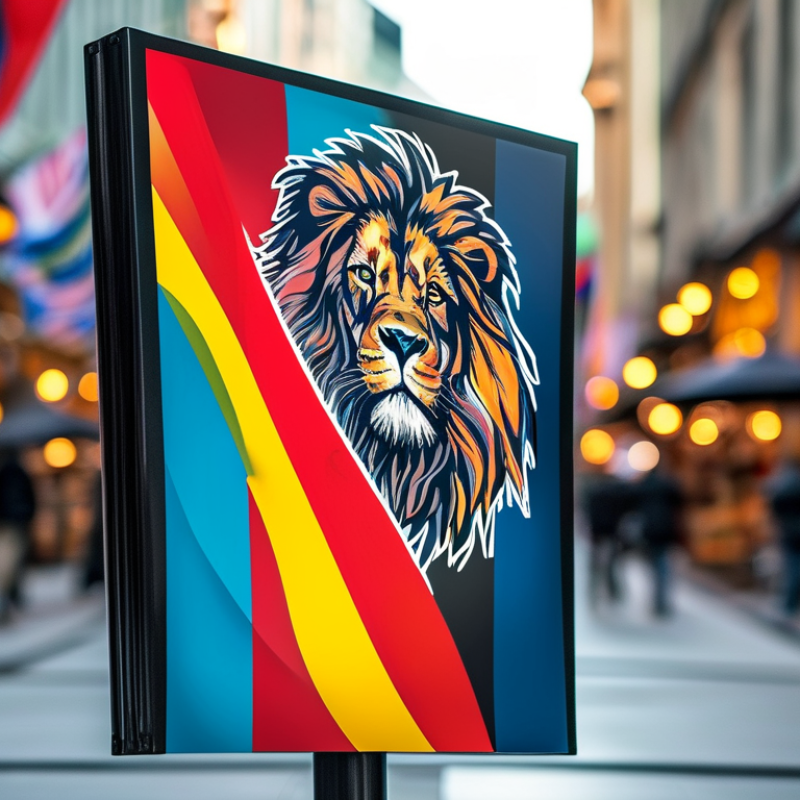
Logo flags serve as a vibrant visual tool that can enhance brand recognition. These flags, often emblazoned with distinct logos, play a crucial role in marketing campaigns. They attract attention at events or storefronts, helping businesses stand out. The purpose of a logo flag is to convey a brand's identity quickly and effectively. By using colors and designs that resonate with the target audience, a logo flag can spark interest and curiosity.
Choosing the right logo flag requires careful consideration. It's essential to select colors that align with the brand's message. Bright colors can grab attention but may not always reflect professionalism. The flag's size also matters; a larger flag is more visible but may overwhelm a small space. Placement in high-traffic areas can significantly impact visibility.
Reflecting on personal experiences in using logo flags can be insightful. Perhaps a particular design didn’t resonate with customers as expected. Such moments can be learning opportunities. Analyzing feedback can help refine future choices. Ultimately, a logo flag's effectiveness hinges on how well it communicates the brand's essence.
History and Evolution of Logo Flags in Branding
The history of logo flags in branding traces back to ancient civilizations. These early flags often symbolized allegiance or identity. Over time, they evolved into powerful marketing tools. In the 19th century, businesses began to adopt logo flags as a means of advertising. The colors and symbols chosen by companies conveyed their values and mission.
Today, logo flags play a significant role in brand recognition. A well-designed flag can enhance visibility. It creates an emotional connection with consumers. Companies often struggle with the right design. The challenge lies in creating something unique yet timeless. Both colors and shapes must resonate with the target audience. Sometimes, brands miss the mark and use trends that quickly fade.
Choosing the best logo flag requires careful consideration. Brands must reflect on their identity and message. A simple design can often be more effective. However, oversimplification risks losing distinctiveness. Feedback from consumers helps refine the design process. Engaging in this dialogue opens doors for improvement. The best logo flags tell a story and invite recognition.
Logo Flags in Branding: Popularity Over Time
Key Elements of Effective Logo Flag Design
When designing effective logo flags, several key elements come into play. The design should capture the essence of your brand. Use colors that reflect your company's identity. Simple yet bold designs often work best. This catches the eye and conveys your message quickly.
Consider the size and shape of your flag. A well-proportioned flag draws attention, while an overly complex design can confuse viewers. Focus on clarity. Logo flags should be readable from a distance. Imagine your flag flying at an event. It should stand out, not blend in.
Tips for success include testing your design. Show it to peers and gather feedback. Take time to revise based on their input. Don’t hesitate to experiment with different layouts. Think about materials too. Durability matters; a flag that fades quickly loses its impact. Simplicity, clarity, and quality combine to create an effective logo flag.
Factors to Consider When Choosing Logo Flags
When selecting logo flags, several factors require careful consideration.
Material quality plays an essential role. According to a report from the Signage Foundation,
flags made of durable fabrics can withstand harsh weather. Ensuring that the flags are
fade-resistant and tear-proof increases their longevity.
Another critical factor is size and visibility. A study by the American Advertising Federation
revealed that flags sized between 3x5 to 5x8 feet provide optimal visibility. It allows passing
motorists and pedestrians to easily spot your brand from a distance. Additionally, color choice
should reflect the brand’s identity. Bold colors stand out and create a memorable impression.
However, too much contrast can lead to visual confusion, potentially overshadowing the logo.
Placement also affects effectiveness. The location of the flag should align with high foot traffic
areas. This helps in driving brand awareness. The intended message must resonate with the target
audience. Inconsistent messages can dilute brand identity. Thus, clarity in design and purpose
is critical. Regular evaluation of flag effectiveness helps refine choices.
Different Types of Logo Flags and Their Uses
Logo flags are a vibrant way to showcase brand identity. They come in various types, each serving a unique purpose. Feather flags stand tall and are excellent for outdoor events. They're lightweight and easy to set up, making them ideal for trade shows. Banners, on the other hand, are more versatile. They can be displayed on walls or hung from ceilings, providing prominent visibility.
When choosing logo flags, consider your environment. Bright colors attract attention. Ensure your logo is clear and legible from a distance. Think about the material too. Weather-resistant fabrics are essential for outdoor use. Indoor flags can use lighter materials for ease of handling.
Tip: Test different designs to see what resonates with your audience. Remember, simplicity often stands out. A cluttered flag may confuse viewers, leading to a lack of interest.
Another essential factor is placement. Flags should be in high-traffic areas to maximize visibility. Regularly assess your flags' condition. Faded or torn flags can harm your brand’s image. Keeping your flags fresh and vibrant enhances reliability and professionalism.
Tips for Customizing Logo Flags for Your Brand
Customizing logo flags for your brand is an engaging way to showcase your identity. A unique design can capture attention and communicate your values. Start by choosing the right colors. Colors evoke emotions. They can stimulate interest or induce calm. Consider how your brand's personality aligns with these color choices.
Next, think about the imagery. A logo flag should reflect your brand’s mission. Use symbols or themes that resonate with your audience. Keep your design simple. Cluttered flags may confuse viewers. Aim for clarity and impact. It’s essential to balance creativity with professionalism. Are your designs too flashy or too plain? Always seek feedback and adjust.
Lastly, focus on material quality. The fabric should withstand various weather conditions if displayed outdoors. Think about the size and shape of your flags too. A misplaced design can diminish visibility. While designing, brainstorm ideas but stay open to changes. Perfection is often subjective. Embrace the process, and don’t hesitate to rethink your choices.
What are Logo Flags and How to Choose the Best Ones?
| Dimension |
Material |
Best Use Case |
Customization Options |
| 3x5 ft |
Polyester |
Outdoor Events |
Full Color Printing |
| 2x3 ft |
Nylon |
Indoor Displays |
Embroidered Logos |
| 4x6 ft |
Canvas |
Trade Shows |
Size Adaptability |
| 5x8 ft |
PVC |
Corporate Events |
Reinforced Edges |
Best Practices for Displaying and Maintaining Logo Flags
Logo flags serve as powerful marketing tools, yet their effectiveness hinges on proper display and maintenance. Statistics indicate that well-maintained flags can increase brand visibility by up to 30%. This figure underscores the necessity of choosing durable materials that withstand the elements. High-quality fabrics, like nylon or polyester, can enhance lifespan and vibrancy.
When displaying logo flags, placement matters greatly. Flags should be positioned in high-traffic areas where they can capture attention. Studies show that flags placed at entrances increase foot traffic by 15%. Positioning near key promotional events can also amplify brand reach. Regular checks for wear and tear are essential to avoid a dilapidated image. A frayed flag sends the wrong message about a brand's professionalism.
Maintenance is equally crucial. Regular cleaning prolongs the flag's life. Depending on material, gentle hand washing or machine washing may be appropriate. However, over-washing can lead to color fading. This highlights the fine line between care and preservation. Some brands may neglect storage conditions, leading to avoidable damage. Keeping flags in a cool, dry space ensures longevity and continual impact.
FAQS
: A logo flag enhances brand recognition and conveys brand identity quickly. It attracts attention at events or storefronts.
Select colors that align with your brand message. Consider the flag's size and ensure it suits your display space.
Feather flags are great for outdoor events. Banners are versatile for indoor displays, providing visibility in various settings.
Proper placement in high-traffic areas increases visibility and foot traffic significantly, boosting brand recognition.
Regular checks for wear and tear are necessary. Clean your flags carefully to prolong their life without causing fading.
Durable fabrics like nylon or polyester are ideal for outdoor flags. Lighter materials work well for indoor settings.
Simplicity often stands out. A cluttered flag can confuse viewers, reducing interest in your brand’s message.
Regularly assess your flags. A frayed or faded flag can negatively affect your brand's professionalism and image.
Yes, well-maintained flags can increase visibility by up to 30%, depending on their placement and condition.
Poor storage can lead to avoidable damage. Keeping flags in a cool, dry space ensures their longevity and impact.
Conclusion
Logo flags are an essential branding tool that serves as a visual representation of a company's identity and values. Initially used for signaling purposes, logo flags have evolved over time, becoming prominent elements in marketing strategies. Effective logo flag design incorporates key elements such as color, typography, and imagery to capture attention and communicate the brand's message effectively.
When choosing logo flags, it is important to consider factors like the flag's material, size, and location for display to maximize visibility and impact. Different types of logo flags, such as feather flags, table flags, and wall-mounted flags, cater to various marketing needs and settings. Customization options allow brands to reflect their unique characteristics in design, while adhering to best practices for maintenance ensures longevity and effectiveness in brand promotion. By understanding the nuances of logo flags, businesses can leverage them effectively for enhanced brand visibility and engagement.