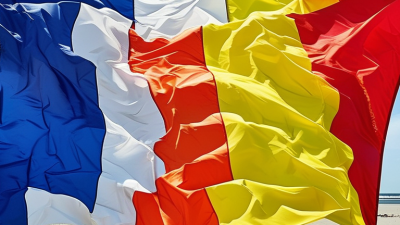
A Festival Flag isn’t just some printed fabric on a pole—it's actually a pretty handy, portable sign that helps folks find entrances, stages, sponsors, and meeting spots. When you're at a busy outdoor event, these flags can wave around and stay visible way above the crowd and temporary setups. That little perk is exactly why you'll see them used so often at festivals, expos, sports games, and community markets. Because hey—visibility really matters, right?
In fact, a 2024 survey called the UFI Global Exhibition Barometer looked at feedback from 423 companies across 61 different countries. The main takeaway? Making sure visitors have a great experience is still a top priority for event organizers. And that’s where a well-placed Festival Flag can really help—giving people a quick visual cue before they even get close to a signboard. Plus, Freeman’s 2024 Trends Report emphasizes how important memorable, human-centered brand experiences are. A cool branded flag can stick in people's minds without demanding too much of their attention.
But let’s be honest—practical details really make or break the whole thing. For starters, there’s no one-size-fits-all. You want to match your flag size to how far away people will be, choose weatherproof polyester, and make sure the pole’s sturdy enough whether you're on grass, concrete, or paved surfaces. Wind can be a real pain, so watch out for its direction, and think about the reading angle, too. Placing a flag behind a food truck, for example, might make it almost disappear—you don’t want that! Overcrowded or overly complex designs can also make recognition harder, even if they look awesome on your screen. Honestly, you can't just assume bigger is better—sometimes a simple, bold design with clear typography and good contrast is the way to go. When in doubt, it’s smart to test out a sample in the real environment before going all-in with a big order. That one extra step might take a little more time, but it could save you from a pricey mistake in the end.
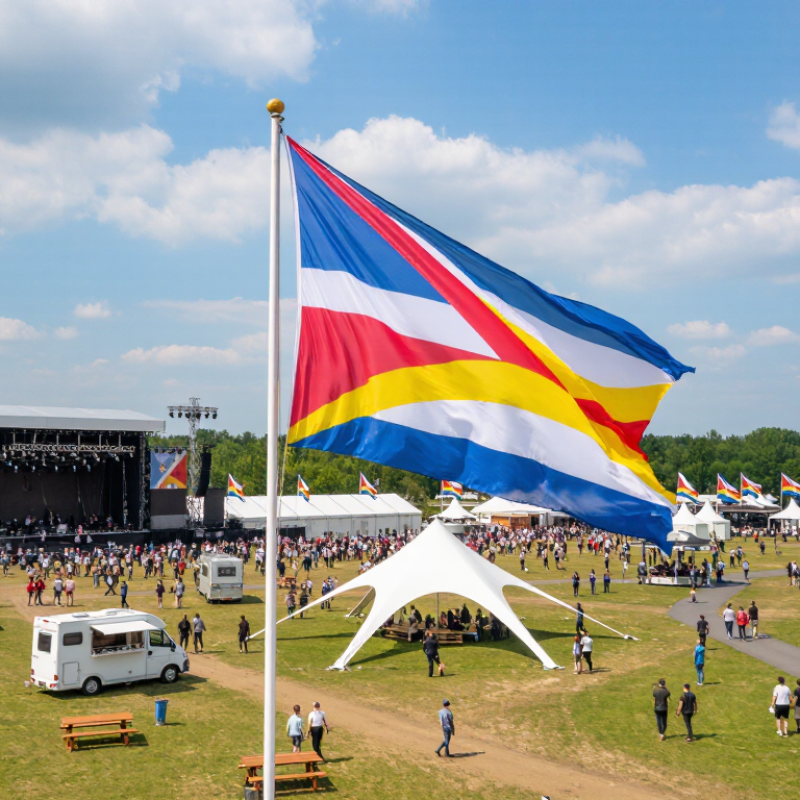
Definition and Basic Features of a Festival Flag
A festival flag is a vertical fabric sign used to identify, decorate, or guide visitors around an event. It usually combines a printed message, a lightweight pole, and a weighted base. Common forms include teardrop, feather, rectangular, and pennant flags. The basic features are portability, visibility, flexible movement, and quick installation. Fabric allows the flag to move in light wind, making it noticeable from a distance. However, movement can reduce readability. Large letters and strong contrast matter more than elaborate graphics. The pole must also match the fabric’s height and weight.
The Events Industry Council’s Global Economic Significance report estimated that business events supported 27.5 million jobs and generated 1.6 trillion dollars in 2019. This scale explains the need for clear, reusable event signage. The Outdoor Advertising Association of America reported 9.1 billion dollars in out-of-home advertising revenue during 2023. Festival flags belong to a smaller, place-based part of that visual environment. In practice, a useful flag should mark entrances, food areas, stages, or quieter zones without blocking sightlines. Installers should check ground stability, wind exposure, and pedestrian movement. Wind loading is often underestimated. Fabric also fades, creases, and wears faster than expected. A flag is not a perfect sign. Overcrowding can make several flags look decorative but confusing. Field measurements, not guesswork, should determine spacing and placement.
How Festival Flags Are Designed and Produced
A Festival Flag is more than a bright marker beside a stage. It guides movement, frames a sponsor-free festival area, and creates motion in photographs. The UFI Global Exhibition Barometer 2024 reported that many exhibition companies expected event activity to increase, strengthening demand for reusable visual displays. That growth makes careful flag design important, not decorative.
Design begins with the viewing distance. Large letters, strong contrast, and one clear message work best outdoors. A Flag Banner usually uses polyester fabric, because it is light, flexible, and suitable for dye-sublimation printing. Designers should test the artwork on a curved template. A straight screen preview can hide distorted edges. This mistake is common.
Production requires more than printing.
The fabric needs double-stitched seams, reinforced pockets, and weather-resistant thread. A 2023 outdoor advertising materials report noted that durability and sustainability were leading purchasing considerations for display buyers. Therefore, manufacturers increasingly select recycled polyester and water-based processes, where performance allows. Yet recycled fabric is not automatically better. Its weight, color consistency, and end-of-life handling still require checking.
A practical test includes three steps: inspect color in daylight, measure pole tension, and leave the sample outdoors overnight. Wind exposes weak stitching quickly. It is tempting to reduce fabric weight and cost, but that choice may shorten service life. The final design should balance visibility, safe installation, transport size, and repeated use.
Traditional and Modern Uses of Festival Flags
What Is a Festival Flag and How Is It Used?
Festival flags have marked public celebrations for centuries. Communities used cloth banners to identify gathering places, honor traditions, and create a shared visual language. Handmade flags often carried local colors, symbols, or simple geometric patterns. Their movement made a town square feel active, even before music began. In some cultures, flags also appeared during seasonal ceremonies, parades, and civic events. Their meaning depended on the people displaying them.
Traditional details still influence modern festival design. Today, a Feather Flag can guide visitors toward an entrance, information desk, food area, or activity zone. Its tall shape remains visible above crowds. Lightweight fabric also makes transport and setup easier. Event teams usually check the pole, base, stitching, and weather conditions before installation. A stable base matters on paved ground, while a water-filled base may suit outdoor grass areas.
Practical use is rarely perfect. Strong wind can twist the fabric or make the message difficult to read. Bright sunlight may gradually soften printed colors. Poor placement can block a walkway or create confusion. Clear lettering, strong contrast, and sensible spacing improve visibility from a distance. Flags should be removed when conditions become unsafe. That small step protects visitors and preserves the material. A festival flag is decorative, but it also performs a quiet organizational task. Sometimes, its most useful message is simply showing people where to go.
Festival flags serve both practical and symbolic purposes. Traditional examples often communicate identity, devotion, or seasonal meaning, while modern festivals commonly use flags for decoration, wayfinding, area identification, and crowd communication. The chart compares the number of distinct roles represented in five common festival settings; it is a classification of uses rather than a market survey.
Regional Variations and Cultural Significance
What Is a Festival Flag and How Is It Used?
A festival flag is a decorated textile used to mark celebration, identity, or shared belief. Its meaning changes across regions. In South Asia, bright cloth banners may hang above streets, temples, or temporary stages. Saffron, red, green, and yellow can suggest devotion, energy, prosperity, or renewal. However, colors do not carry one universal meaning. Local history matters.
In Japan, vertical flags often identify a festival procession, neighborhood group, or traditional performance. Their long shapes move clearly in narrow streets. In parts of Latin America, handmade banners may combine religious images, flowers, and family symbols. They can turn an ordinary square into a community gathering place. In parts of Europe, heraldic designs and municipal colors often connect festivals with local history. The fabric becomes a moving record of place.
Festival flags also guide people. They mark entrances, procession routes, ceremonial spaces, and gathering points. I once assumed their main purpose was decoration. That view feels incomplete. A flag can help visitors feel included, while also showing who organizes the event. Some designs are carefully preserved; others are quickly painted by volunteers. Small errors may remain. That can make the object feel more personal, not less meaningful. Responsible organizers should explain sacred symbols before displaying them, especially when visitors come from outside the region. Respectful use requires context, permission, and attention to local voices.
Conclusion
A Festival Flag is a decorative banner used to celebrate public events, religious ceremonies, seasonal gatherings, and community traditions. It often carries bright colors, meaningful symbols, patterns, or short messages that express joy, identity, and cultural values. While early festival flags developed from ceremonial standards and community markers, they have gradually evolved into more creative forms that reflect local history and modern design preferences.
Festival flags can be made from fabric, paper, plastic, or other lightweight materials, and may appear as rectangular banners, triangular pennants, vertical flags, or decorative streamers. Their design usually considers color harmony, visibility, durability, and the meaning of traditional symbols. They may be displayed along streets, at entrances, on stages, in public squares, or during parades. Although their appearance and use vary by region, Festival Flag traditions continue to connect people, mark important occasions, and add a welcoming visual atmosphere to celebrations.