Leave Your Message
0%

Picking out the right Pop Up Tent isn’t just about color or logo — it really depends on what kind of event you’re planning. For example, a school fair needs something that can be set up quickly, with shaded spots and safe walkways. On the other hand, at a trade show, you'd want a tent with a cleaner look, sturdier walls, and good cable management. And for a wedding, softer fabrics, elegant touches, and better protection against the weather might be more important.

The funny thing is, these practical needs aren’t just guesses — market data supports this approach. According to Mordor Intelligence’s 2024 Outdoor Tent Market report, factors like portability, durability, and versatility are key for buyers. Plus, the American Rental Association’s 2024 Rentalytics forecast shows that there's still strong demand for temporary event gear, whether for big corporate parties or private gatherings. So, the takeaway here? Convenience is important, sure — but lasting performance is what really counts.

Chris Baylis, an event-rental pro, sums it up nicely: “The best event equipment kind of disappears into the experience because it just works.” That’s exactly the philosophy behind this guide. A Pop Up Tent should open smoothly, stand firm, and keep your guests comfortable without needing constant fuss. When you’re choosing, look at the frame material, canopy fabric, how easy it is to anchor down, ventilation, how heavy it is to transport, and whether you can get replacement parts easily. Cutting corners on cost can sometimes end up costing you more in the long run.

Honestly, I mess this up sometimes myself. A lightweight tent might seem perfect when you’re testing it out in the showroom but could have a hard time on uneven grass. Or, a gorgeous printed canopy might look great but offer poor breathability under the hot sun. This guide tries to be honest about those trade-offs. Its goal is to help you pick the right tent size, materials, accessories, and budget — all while paying attention to those small details that are easy to overlook but make a big difference on the day of your event.
How to Choose the Best Pop Up Tent for Any Event?

Understanding Pop Up Tent Types and Their Main Uses

Choosing the best pop up tent starts with understanding its type, not its color.
A straight-leg canopy offers a spacious footprint and stable headroom for markets, school fairs, and registration desks. A slant-leg model usually weighs less and packs smaller, making it practical for short promotions or occasional family events. A White Pop Up Tent also reflects sunlight strongly, but it can show mud quickly.

The Event Safety Alliance recommends matching temporary structures with site conditions, anchoring, weather planning, and documented inspections. That advice matters. A 3-by-3-meter canopy may need different ballast on pavement than on grass. Check the frame material, roof tension, sidewall attachment, and manufacturer-rated wind limits before choosing. Do not rely on appearance alone. A low-cost frame can bend when rainwater collects on the roof.

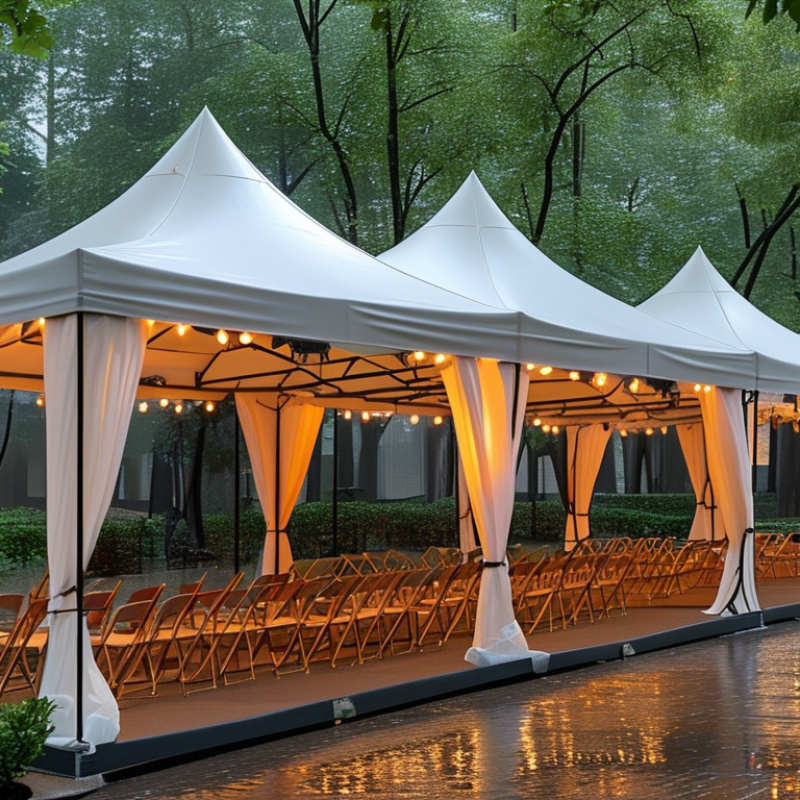
For trade exhibitions, add removable walls, a counter, and cable-management openings. For food service, choose washable panels and confirm the required fire-safety documentation for the venue. For outdoor ceremonies, a larger high-peak structure creates better airflow and visual height, but it needs more setup space. The UFI Global Exhibition Barometer consistently reports strong demand for face-to-face exhibitions, suggesting that reusable, quickly installed shelters remain useful across event settings. Still, reports cannot replace a site inspection. I once focused too much on packed size. The tent carried easily, but its shallow roof made a rainy setup frustrating. That mistake changed how I compare tents now.

Identifying the Right Tent Size, Shape, and Layout

A pop-up tent should fit the event, not merely the vehicle. Measure the ground area first, including ropes, weights, and walking space. For two staff members and a narrow display table, a compact footprint may work. Busy markets need more breathing room. A 10-by-10-foot shelter often suits small booths, while larger events may need connected sections. Do not trust dimensions alone. Open doors and neighboring stalls can change usable space dramatically.

A Black Pop Up Tent can create a strong, professional backdrop for product displays or outdoor registration. However, dark fabric may absorb more heat under direct sunlight. A lighter interior, mesh windows, and cross-ventilation can improve comfort. Choose a square layout for balanced traffic from several directions. A rectangular layout works better beside walls or along walkways. Keep the entrance clear, and place tables against the rear or side panels.

From practical setup experience, poor layout causes more trouble than limited floor space. Staff need room to turn, unpack materials, and speak with visitors without blocking the entrance. Heavy equipment should stay near the center or weighted legs, not on a folding table. Check the tent height against signs, lighting, and indoor ceilings. I once measured the canopy correctly but forgot a low doorway. That mistake delayed setup. Recheck every measurement on location, because real surfaces are rarely as level as the plan.

Comparing Frame Materials, Canopy Fabrics, and Weather Resistance

Choosing a pop-up tent starts with the frame, but weather resistance often decides whether guests stay comfortable. Aluminum frames are light and easy to carry. Steel frames handle repeated setup better, but add noticeable weight. Fiberglass can reduce cost, yet it may flex or crack after rough handling. I once underestimated this difference. The frame felt strong indoors, then wobbled badly on uneven grass.

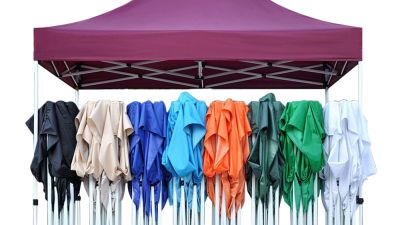
Canopy fabric needs closer inspection than color or thickness. Polyester dries quickly and usually keeps the package light. Oxford-weave fabric feels tougher, but heavier fabric can strain the frame. Check the denier rating, UV treatment, waterproof coating, and seam sealing together.

A high denier number alone proves little. ISO 5912:2020 emphasizes weather performance, construction, and safety testing for camping tents. Those principles also help when comparing event shelters. Look for reinforced corners and adjustable guy lines.

Weather planning should follow real climate data. NOAA’s 2024 Billion-Dollar Weather and Climate Disasters report recorded 27 major U.S. events. A sudden storm is not unusual. Never treat a canopy as a storm shelter. Use weighted feet on pavement, stakes on soil, and remove sidewalls when gusts increase. The Outdoor Industry Association reported 175.8 million U.S. outdoor participants in 2023. That demand encourages frequent setup and faster packing. However, rushed packing damages zippers, joints, and wet fabric. Let the canopy dry fully. Small details matter.

Choosing Features for Setup Speed, Comfort, and Event Branding

A Pop Up Event Tent should be judged by setup speed, comfort, and branding potential. In my event work, a tool-free frame saves more than minutes; it reduces mistakes when rain starts or crowds arrive early. Choose a model with numbered connectors, clear instructions, and adjustable legs. A stable frame matters, too. Loose fittings can turn a polished booth into an awkward repair scene.

Comfort begins overhead. A vented roof, removable sidewalls, and a 10-by-10-foot layout can improve airflow and movement. Add flooring when guests may stand for several minutes. The 2023 Freeman Trends Report found that 81% of attendees consider in-person experiences more valuable than digital ones. That value disappears when the space feels hot, cramped, or difficult to enter. Small details count. I once underestimated evening glare and placed signage too low.

Branding should remain visible from several walking directions. Use high-contrast graphics, a short message, and a clean header panel. Avoid covering every surface with text. The 2024 Global Meetings and Events Forecast from American Express Global Business Travel reported continued growth in in-person meeting demand, increasing pressure on exhibitors to create memorable spaces. Still, a large logo is not a strategy. Lighting, product placement, and staff movement shape recognition. Check the printed colors before production; screens can mislead. Also, test the tent with real equipment, not an empty frame. That imperfect rehearsal often reveals the missing cable, weak anchor, or blocked entrance.

Matching the Tent to Indoor, Outdoor, and Seasonal Conditions

Choosing a pop up tent begins with the event environment, not the printed size. Indoors, measure the ceiling height, door width, and nearby lighting before ordering. A 12x12 Pop Up Tent may fit a hall floor, yet its peak can interfere with sprinklers or hanging signs. Use flame-resistant fabric where local venue rules require it. Check the floor, too. Slippery tiles may need weighted feet or protective mats.

Outdoors, wind changes the decision quickly. I prefer a frame that locks firmly and legs that accept reliable weights. Stakes help on suitable ground, but they are useless on concrete. Keep the canopy lower during gusty weather, and never leave it unattended when conditions worsen. In my field experience, people often trust heavy fabric too much. Fabric is not an anchor. That mistake deserves attention.

Seasonal planning requires more than a waterproof label. In summer, choose ventilation panels and place the entrance away from direct afternoon sun. In wet weather, inspect seams and keep equipment raised from puddles. Snow is different; many temporary tents are not designed for accumulated weight. Remove snow promptly, or select another shelter. I once underestimated morning condensation and stored damp walls too soon. They smelled musty later. Let every component dry completely before packing, even when the event schedule feels rushed.

How to Choose the Best Pop Up Tent for Any Event? - Matching the Tent to Indoor, Outdoor, and Seasonal Conditions

Event or Condition Recommended Tent Format Useful Size and Capacity Weather and Surface Requirements Recommended Features Practical Selection Advice
Indoor trade show or exhibition Compact straight-leg pop-up canopy without ground stakes Approximately 3 × 3 m (10 × 10 ft); suitable for a table, two chairs, and product displays Flat, dry flooring; confirm venue height, fire-safety, and aisle-clearance rules Adjustable legs, wheeled storage bag, flame-retardant fabric where required, and removable sidewalls Choose a lightweight frame and avoid anchoring systems that could damage the floor or obstruct walkways.
Backyard celebration or family gathering Open-sided or partially enclosed pop-up canopy 3 × 3 m for about 6–10 seated guests; 3 × 6 m for approximately 12–20 guests, depending on furniture layout Grass, paving, or concrete; secure every leg and keep the canopy away from open flames Ventilated roof, removable sidewalls, adjustable height, and water-resistant polyester or similar fabric Select extra covered area if tables, food stations, or rain protection will be placed beneath the canopy.
Outdoor market, craft fair, or food service Commercial-grade straight-leg canopy with full or half sidewalls 3 × 3 m is a common footprint; use a larger layout only when the organizer permits it Grass, asphalt, or concrete; use approved weights and follow the event’s anchoring rules Reinforced corners, corrosion-resistant frame, gutter-compatible sidewalls, and easy-clean fabric Prioritize stability, repeated setup capability, and clear sidewall options over the lowest purchase weight.
Beach, lakeside, or sunny summer event Ventilated canopy with a light-colored, UV-resistant roof 3 × 3 m provides practical shade for a small group; larger sizes require stronger anchoring Sand or soft ground; use sand-compatible anchors or weighted systems and never leave the canopy unattended High roof vents, breathable side panels, UV-resistant fabric, and corrosion-resistant hardware Allow airflow on hot days, but remove the canopy when strong wind, thunderstorms, or changing tides create hazards.
Spring or autumn outdoor event Enclosed pop-up canopy with removable walls and adjustable ventilation 3 × 3 m for a small activity area; 3 × 6 m when separating guest, storage, or service zones Use on firm, level ground; prepare for rain, cooler temperatures, and gusts with rated weights or stakes Zipped walls, rain-deflecting roof design, reinforced seams, and adjustable leg height Keep at least one opening available for ventilation and inspect the roof for pooled water during rain.
Cold-weather or light-winter use Heavy-duty enclosed canopy designed for temporary, supervised use 3 × 3 m is easier to heat and stabilize than a larger footprint Use only on stable ground; snow, ice, freezing rain, and strong winds can overload a temporary canopy Durable frame, securely attached walls, roof ventilation, and a ground mat that reduces drafts Do not use fuel-burning heaters inside without appropriate ventilation and carbon-monoxide safety controls; remove snow promptly.
Rain-prone or changeable outdoor conditions Water-resistant canopy with sloped roof, sealed seams, and detachable sidewalls 3 × 3 m is easier to drain and secure; avoid oversized footprints in exposed locations Level ground with drainage; use all required anchors and keep fabric taut to prevent water pooling Roof peak ventilation, sidewall rain gutters, reinforced stitching, and a carry case for dry storage Water-resistant fabric is not the same as a permanent waterproof structure; pack the canopy dry to prevent mildew.
Wind-exposed or stormy conditions Avoid use during severe weather; choose a low-profile, vented canopy only for mild conditions A smaller 3 × 3 m canopy generally presents less exposed surface than a larger model Anchor every leg according to local rules; no pop-up canopy should be relied on during thunderstorms or severe winds Vented roof, strong leg joints, flexible sidewalls, and visible anchor points Monitor weather forecasts, lower or remove sidewalls when appropriate, and dismantle immediately if conditions deteriorate.
Safety and sizing note: Capacity estimates depend on furniture, circulation space, and local fire or event regulations. Always follow the manufacturer’s setup instructions, venue requirements, and weather limits. Pop-up canopies are temporary shelters and should not be used as permanent buildings.

Checking Safety, Portability, Maintenance, and Overall Value

How to Choose the Best Pop Up Tent for Any Event?

Safety should guide your choice before appearance or price. Check that the frame feels stable and locks firmly when opened. A weighted base helps prevent movement on grass, pavement, or crowded event grounds. Inspect the canopy fabric for strong stitching and water resistance. Never assume a heavy-looking tent is automatically safer.

Portability matters when setup involves stairs, narrow doors, or a long walk from parking areas. Choose a tent with a manageable carry bag, simple connectors, and a frame that two people can lift comfortably. I once selected a model that looked convenient but became awkward after ten minutes of carrying. That mistake changed how I judge weight. Maintenance also affects value. Dry the canopy completely before storage, remove dirt with mild soap, and check joints after every event. Small tears can grow quickly.

Tips

Measure your vehicle space before buying. Practice setup at home, preferably on a windy afternoon. Count the packed poles and stakes before leaving an event. Compare replacement-part availability, warranty terms, and fabric quality, not just the purchase price. A cheaper tent may cost more after broken joints or repeated repairs. Still, expensive equipment is not always the best choice. Your event size, transport routine, weather exposure, and setup experience should shape the decision. Expect a few learning mistakes. They reveal what specifications actually matter.

How to Choose the Best Pop-Up Tent for Any Event?

Safety, portability, maintenance, and overall value should be evaluated together.

This brand-neutral decision model gives the greatest weight to safety because stability, flame resistance, weather protection, and correct anchoring directly affect event users. Portability covers packed weight, setup time, and transport requirements. Maintenance reflects cleaning, drying, storage, and replacement needs, while overall value considers expected service life and total ownership cost.

30 Square Iron Frame Promotional Tent: Insights from the 2024 ASI Ad Impressions Study

The 2024 ASI Ad Impressions Study highlights why practical promotional products remain valuable in crowded event environments. Its findings indicate that 85% of promotional-product recipients can recall the advertiser, demonstrating the importance of useful items that remain visible beyond a single interaction. A branded tent can extend this principle from an individual giveaway to an entire event footprint, creating repeated exposure as visitors approach, browse and return to a booth. The 30 Square Iron Frame Promotional Tent is designed for this role, combining a durable 30mm square steel tube frame with an anti-rust powder coating for dependable stability at a cost-effective price point.

Its integrated pop-up folding structure supports rapid, tool-free setup, while the compact folded form simplifies transport between markets, trade shows and outdoor commercial activities. The waterproof, UV-blocking fabric helps protect staff, merchandise and promotional graphics from changing weather conditions, making the shelter suitable for repeated seasonal use. In line with event-marketing research emphasizing visibility and visitor engagement, the canopy provides a large, elevated display surface that can reinforce campaign messaging throughout the customer journey. Its practical construction also supports vendors and exhibitors who need efficient installation, reliable coverage and a professional presentation without the complexity or expense of heavier event systems.

FAQS

: What type of pop-up tent suits markets and registration desks?

: A straight-leg canopy provides more usable floor space and steady headroom. It suits markets, school fairs, and registration areas. Measure the table area before choosing.

When is a slant-leg tent a better choice?

A slant-leg model usually weighs less and packs smaller. It works well for short promotions or occasional family events. It may provide less interior space.

How should I choose a tent for indoor use?

Measure ceiling height, door width, and nearby lighting. Check sprinklers and hanging signs. A tall peak may not fit safely. Measure twice.

What matters most when using a tent outdoors?

Wind planning matters more than fabric weight. Use suitable stakes on grass and reliable weights on pavement. Stakes cannot hold on concrete. Never leave the tent unattended during worsening weather.

How much weight does a canopy need?

The required ballast depends on the surface and weather conditions. Pavement may need different weights from grass. Follow the rated guidance and inspect the site. Guessing can be risky.

Which features help with exhibitions and food service?

Removable walls create privacy and weather protection. Counters support visitor conversations. Cable openings reduce loose wires. Food areas need washable panels and required venue safety documents.

How can I prepare a tent for different seasons?

Use ventilation panels during hot weather. Keep entrances away from strong afternoon sunlight. Dry wet walls completely before storage. Snow can overload temporary structures, so remove accumulation promptly.

How do I maintain a pop-up tent after an event?

Remove dirt with mild soap and clean water. Let every panel dry fully. Check joints, stitching, poles, and small tears. Small damage grows quickly. I once stored damp walls too soon, and the odor lingered.

How can I judge a tent’s overall value?

Compare packed size, carry weight, frame quality, replacement parts, warranty terms, and fabric durability. Check whether two people can lift it comfortably. A cheaper tent may require repeated repairs. Not always. Higher cost does not guarantee the best fit.

Conclusion

Choosing the best Pop Up Tent starts with understanding how different designs serve different events, from trade shows and market stalls to parties, sports gatherings, and outdoor exhibitions. Consider the ideal size, shape, and floor layout based on guest numbers, display needs, furniture, and available space. A well-planned layout should allow comfortable movement while keeping entrances, tables, and branded areas easy to access. Frame materials, canopy fabrics, and weather resistance also matter, especially when the tent may face wind, sunlight, rain, or changing temperatures.

The right Pop Up Tent should balance quick setup, reliable protection, ventilation, lighting options, and clear branding opportunities. Match the tent to its environment, whether it will be used indoors, outdoors, or across multiple seasons. Before purchasing, evaluate safety features, stability, portability, storage, cleaning requirements, replacement parts, and long-term value. A practical choice is one that is easy to transport and maintain while providing dependable performance and a professional appearance at every event.


Sophie

Sophie

Sophie is a dedicated marketing professional at Foshan Aodong Tent Co., Ltd., a leading Chinese manufacturer of premium indoor and outdoor commercial display equipment. With a deep understanding of the industry, Sophie excels in communicating the company’s core competencies, including its......
Previous How to Choose the Best Outdoor Flag in 2026?