Choosing the right outdoor flag in 2026 isn't just about picking aDesign with bright colors. There's more to it—factors like the weather, the fabric's weight, how it's sewn together, the strength of the pole, and how far away you’ll view it all play a part. A flag that looks really cool on a website might not hold up so well when it's exposed to the sun all day, or might twist badly in coastal winds. The real outdoors can be pretty unforgiving.
I've learned a lot from hands-on experience installing flags, checking out textile specs, and observing how flags hold up in different commercial settings. For windy spots, polyester tends to be a great choice since it dries fast and handles moving around a lot better. Nylon can give you brighter, punchy colors, but because it’s lighter, you’ll want to put it somewhere it won’t get battered. Don’t forget to pay special attention to reinforced corners, double-stitched seams, and hardware that won’t rust—those little details can make a big difference in how long your flag lasts.
Where you plan to put your flag totally changes what you should pick. A flag by the roadside needs to be super visible from far away, whereas a garden flag might be better with softer motion and a smaller pole. Make sure to measure your space before ordering, and always check the cleaning instructions, replacement options, and what the seller claims about their materials. Be a bit cautious—don’t trust every shiny promise, because climate, installation, and daily exposure vary so much. It’s good to be aware of that uncertainty instead of ignoring it.
In the sections that follow, I’ll go over common materials, construction details, how to mount them properly, and different design options. I’ll also talk about balancing looks with durability, maintenance needs, and making smart, responsible choices. By focusing on real-world conditions rather than just chasing the latest trend, you’ll be able to pick a flag that actually performs well and genuinely represents your space with confidence.
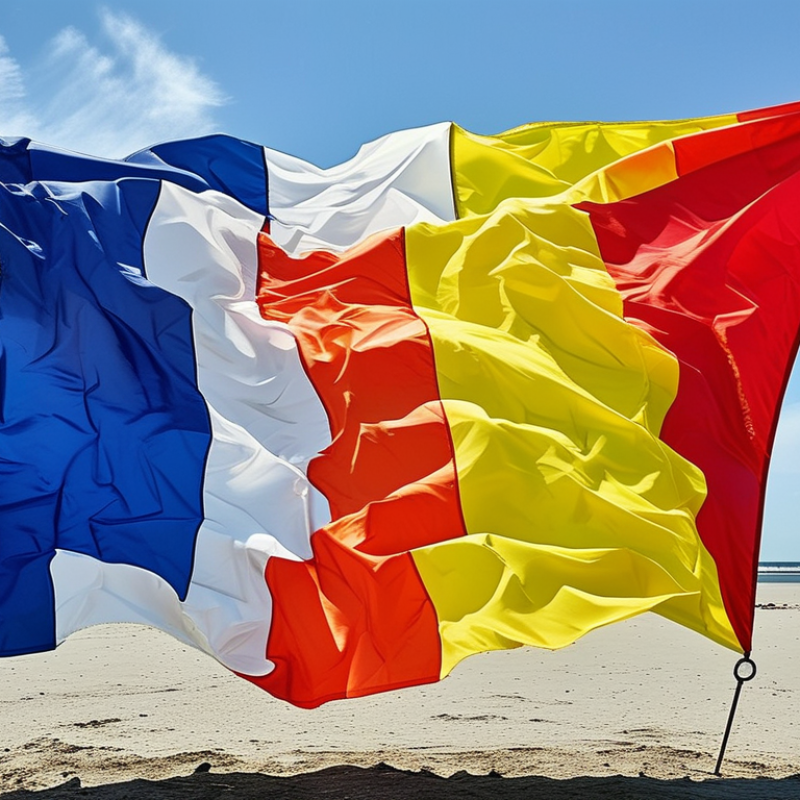
Before choosing an outdoor flag, define its job.
Is it guiding visitors, marking an entrance, or supporting a public event? Each purpose needs different wording, scale, and viewing distance. A welcome flag can use one short phrase. A directional flag needs a bold arrow and strong contrast. Promotional Outdoor Banners may need larger artwork, but crowded designs become unreadable. I learned this while preparing signage for a windy community market. The message looked attractive on screen. From twenty meters away, it disappeared.
Study the display location during the hours of use. A flag beside a road needs quick recognition. One outside a storefront can carry finer detail. Measure the available height, width, and clearance from doors, branches, and vehicles. Check sunlight direction too. Glare can weaken pale lettering. Shade can make dark fabric look flat. Wind matters. Open fields need flexible poles, reinforced stitching, and secure bases. Hard surfaces may require weighted stands instead of ground stakes. Local property rules and venue instructions should also guide placement.
Choose weather-resistant fabric for repeated outdoor exposure, and inspect seams before installation. A double-sided flag can improve reading from both directions, though it usually weighs more. Test a printed sample at the actual distance. This small step prevents expensive mistakes. I once placed a tall flag near a low canopy, and the top folded into the roof during gusts. The design was fine; the location was not. Recheck the setup after rain, strong wind, or nearby construction. Reliable display decisions come from observing the site, not guessing from a product photo.
How to Choose the Best Outdoor Flag in 2026?
Compare Outdoor Flag Materials for Weather Resistance
Outdoor flags face sun, rain, wind, and rapid temperature changes. Material choice matters more than color or decoration. Polyester is a practical option for frequent outdoor use. It resists moisture, dries quickly, and usually keeps its shape in moderate wind. Solution-dyed polyester can also improve color retention under strong sunlight. Check the fabric weight and stitching, not just the product description.
Nylon is lighter and moves beautifully in gentle air. However, it can stretch and wear faster during repeated storms. Cotton canvas feels substantial, but it absorbs water and may develop mildew when stored damp. I once packed a slightly wet canvas flag after an event. The odor appeared within days. That mistake changed how I judge storage needs.
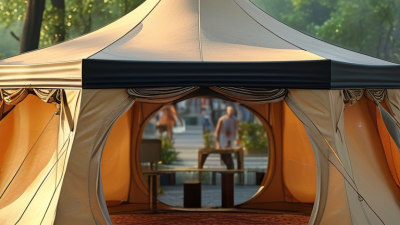
Vinyl offers a smooth, weather-resistant surface for printed designs. It is heavier, though, and cold temperatures can make it less flexible. For a coastal site, I prefer reinforced polyester with double-stitched edges and rust-resistant grommets. The supporting hardware deserves equal attention. A strong fabric can still fail when corners tear. If the flag will hang near an Outdoor Shade Tent, leave enough clearance to prevent rubbing against poles or sharp fittings. Wind exposure also changes by location, so a sheltered garden and an open field should not use identical specifications. Check care instructions and replace damaged stitching early. My own choices are still imperfect. Real weather often reveals weaknesses that showroom tests miss.
Compare common outdoor flag materials by UV resistance, water resistance, and drying performance. Scores use a practical 1–5 comparison based on the established properties of each textile; actual service life also depends on climate, wind exposure, printing, and maintenance.
Polyester is generally the most balanced choice for long-term outdoor use because it combines strong UV stability, low moisture absorption, and fast drying. Nylon offers excellent color appearance and flexibility but absorbs more moisture, while cotton is comfortable and printable but performs less reliably in wet and highly exposed conditions.
Choose the flag size by viewing distance, wind exposure, and mounting height. A 2-by-3-foot flag suits a small garden or storefront entrance. For parking lots, a 3-by-5-foot flag usually creates stronger visual presence. Larger flags need stronger poles and deeper ground anchors. Do not treat size as decoration only.
Shape changes how quickly people understand your message. A rectangular flag offers more writing space. A feather or teardrop shape moves noticeably in light wind. Keep the main message near eye level, where passing visitors can read it.
The Outdoor Advertising Association of America reported that out-of-home media reaches about 80% of adults weekly in its 2024 audience materials. Your flag has only seconds to work.
Design with one clear idea. Use high contrast, large lettering, and generous empty space.
The Outdoor Industry Association’s 2024 participation report recorded 175.8 million Americans engaging in outdoor recreation, showing how crowded outdoor attention can become.
My own mistake was adding too many details; the flag looked attractive up close but failed from the sidewalk. Test it from 30 feet away. If the message disappears, revise it.
Perfect contrast is not guaranteed under rain, shade, or sunset. That matters.
How to Choose the Best Outdoor Flag in 2026?
Colorfastness should guide your purchase, not just bright showroom color. Textile Exchange’s 2024 Materials Market Report states that polyester made up 59% of global fiber production in 2023. Polyester resists moisture well, but sunlight can still fade weak dyes. Ask for documented xenon-arc testing under AATCC TM16.3. A deep red flag should remain even after repeated exposure. Inspect both sides. Uneven color often signals poor dye penetration.
Stitching reveals more than fabric weight. ASTM D1683 evaluates sewn seam strength, making it a useful technical reference for construction checks. Look for tight, regular stitches around the sleeve and reinforced corner patches. Loose threads can spread quickly in strong wind. I prefer double-stitched hems, although no seam survives careless installation. For an Outdoor Event Tent, choose flags with heavy-duty webbing and corrosion-resistant hardware. Pull the attachment points gently before accepting delivery.
Tips: Rub a hidden area with a damp white cloth. Color transfer is a warning. Hold the flag toward daylight and check thin spots. Request a sample, wash it once, and compare its color afterward. Keep records of test documents, fabric weight, and stitching details. Small defects matter.
Use this comparison table to evaluate outdoor flags by measurable material, testing, and construction criteria. The benchmarks are practical buying guidelines rather than brand-specific product ratings.
| Evaluation Dimension | What to Check | Reliable Benchmark | Inspection or Test Method | Warning Signs | Suggested Weight |
|---|---|---|---|---|---|
| Colorfastness to Light | Resistance of printed or dyed colors to ultraviolet exposure. | Aim for a Blue Wool lightfastness rating of 6 or higher on the 1–8 scale. | Request results from ISO 105-B02 or AATCC 16.3 testing. Higher ratings indicate better resistance to fading. | No test information, uneven fading, or a rating below 4 for continuous outdoor use. | 25% |
| Colorfastness to Water | Whether rain, condensation, or washing causes color bleeding or staining. | Prefer a rating of 4 or higher on the common 1–5 gray-scale system. | Review wet colorfastness and staining results under ISO 105-E01 or an equivalent recognized method. | Color transfers to a white cloth after a damp-rub test or visible bleeding at seams. | 10% |
| Fabric Weight and Density | Material mass, weave tightness, and resistance to tearing in normal outdoor service. | For standard knitted or woven polyester flags, approximately 110–155 g/m² is a practical range; choose heavier fabric for demanding sites. | Check the declared grams per square metre and inspect the weave against bright light for gaps or inconsistent density. | Very thin fabric, irregular weave, excessive transparency, or no declared fabric specification. | 15% |
| Edge Stitching | Number, consistency, and placement of stitches along the fly edge, hoist edge, and hem. | Look for continuous, even stitching with reinforced hems; two parallel rows are commonly preferred on load-bearing edges. | Examine a representative 30 cm section for skipped stitches, loose loops, exposed thread ends, and uneven seam allowance. | Single weak seam on a tensioned edge, skipped stitches, puckering, frayed thread, or open corners. | 15% |
| Corner and Attachment Reinforcement | Strength of the points connected to clips, rope, sleeve, or pole hardware. | Corners should include folded webbing, bartacks, or equivalent reinforcement at every load-bearing attachment point. | Inspect both corners and gently apply hand tension; reinforcement should distribute force without fabric distortion. | Grommets punched directly through unsupported fabric, narrow unreinforced corners, or visible tearing. | 10% |
| Hem Construction | Folded edge finish that limits fraying and helps the flag maintain its shape. | Prefer a clean double-fold or reinforced hem with consistent width around the perimeter. | Measure visually along several sides and check that the fold is fully captured by the stitching. | Raw cut edges, inconsistent hem width, exposed selvage damage, or loose stitching near corners. | 10% |
| Wind and Airflow Design | Ability to reduce flutter stress and allow wind to pass through where appropriate. | For exposed or windy locations, consider a mesh or wind-permeable construction; do not rely on a universal wind-speed claim. | Match the flag design to local wind exposure, mounting system, flag size, and pole manufacturer limits. | Large solid flag in a highly exposed location, rigid mounting without allowance for movement, or unsupported wind rating. | 10% |
| Print and Graphic Coverage | Uniformity of color, registration, opacity, and legibility on the intended viewing side. | Color areas should be even, edges sharp, and any bleed-through should remain intentional and legible. | View the flag in daylight from several metres and inspect close-up for banding, pinholes, ghosting, or misalignment. | Patchy coverage, blurred lettering, visible print seams, heavy ink stiffness, or unreadable reverse-side graphics. | 5% |
Choosing the best outdoor flag in 2026 starts with the pole, mounting hardware, and accessories—not the fabric alone.
Measure first. A pole should match the flag’s width, weight, and display height. Lightweight aluminum works well for calm residential areas, while fiberglass can flex during sudden gusts. Telescoping poles are convenient, but their locking joints need regular inspection. A loose joint can bend or collapse unexpectedly.
Wind wins. Select a ground sleeve for soil installation, or use a weighted base on concrete and paving. Wall brackets should fit the surface, not just the pole diameter. Masonry requires suitable anchors, while wood siding needs properly placed structural screws. Stainless steel fasteners resist rust near humid or coastal locations. Rotating rings, swivel clips, and anti-wrap devices help the flag move freely instead of twisting around the pole. Avoid forcing hardware into a tight fit; movement is necessary.
Small accessories affect daily performance.
Choose weather-resistant rope, secure clips, a protective finial, and a solar light with a stable mounting collar if nighttime visibility matters. Check drainage around ground sleeves after heavy rain. I once selected a base that looked strong but shifted on wet soil. That mistake changed my approach. Now I test the installation by hand, inspect seams and connections monthly, and replace worn clips before they damage the flag.
The most reliable setup is not always the tallest one. It is the one that remains stable, accessible, and easy to maintain.
How to Choose the Best Outdoor Flag in 2026?
A reliable outdoor flag should withstand sunlight, rain, and repeated handling. Check the fabric before admiring the printed design. Polyester usually dries quickly, while heavier materials can hang better in strong breezes. Examine the stitching around the heading and corner pockets. These areas often fail first.
Maintenance affects real value. A flag that needs constant washing may become expensive over time. Look for colorfast fabric, reinforced seams, and washable surfaces. I prefer cleaning flags with mild soap and cool water, then drying them fully before storage. Damp folding invites mildew. Small detail.
Safety deserves equal attention. Choose a pole with a stable base suited to the ground surface. Soft soil, concrete, and crowded walkways need different solutions. Add visible weights when gusts are possible, and inspect clips for sharp edges or cracks. Never leave damaged hardware in public areas. An Outdoor Pop Up Tent nearby can create extra wind pressure, so keep both structures properly spaced.
I once focused too much on bright graphics and ignored the base weight. The flag looked excellent but leaned badly after one windy afternoon. That mistake changed my buying checklist. I now compare replacement costs, cleaning time, warranty terms, and storage requirements. Value is not the lowest price. It is dependable performance without repeated repairs. Still, weather is unpredictable, and no flag remains perfect forever.
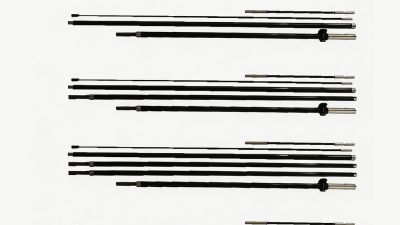
Outdoor advertising is moving toward flexible, portable, and weather-ready display solutions, especially for seaside promotions, festivals, sporting events, and temporary brand activations. Fiberglass beach flag poles support this trend by combining high-tensile epoxy fiberglass with excellent flexibility and wind-load performance. Instead of becoming brittle under pressure, the poles bend smoothly in strong coastal winds, helping maintain a visible and professional display in changing outdoor conditions. Their salt-resistant, UV-stabilized, and rust-free construction also makes them suitable for repeated use near beaches and other demanding environments.
A segmented plug-in structure enables fast, tool-free assembly, convenient transportation, and efficient storage between campaigns. The lightweight design reduces handling effort while maintaining long-term durability, and compatibility with standard beach flags allows marketers to refresh graphics for different events or promotional messages. For more cohesive outdoor advertising setups, the poles can be combined with pop-up tents and tent-flag linkers to create coordinated booths with consistent visual height and direction. This modular approach helps event teams adapt displays quickly across venues while presenting a unified presence for product launches, hospitality promotions, community activities, and seasonal campaigns.
: A 2-by-3-foot flag usually fits a small garden or storefront entrance. Measure the viewing distance first. Keep it visible, not oversized.
A 3-by-5-foot flag creates a stronger visual presence in open areas. Larger flags need sturdier poles and deeper ground anchors. Size affects safety.
Rectangular flags provide more writing space. Feather and teardrop shapes move visibly in light wind. Choose the shape your audience understands quickly.
Use one clear idea with large lettering and strong contrast. Keep the main message near eye level. Empty space improves quick reading.
View the design from about 30 feet away. Check it near a sidewalk or entrance. If the message disappears, revise it.
Ask for documented colorfastness testing. Testing with xenon-arc exposure can provide useful evidence. Bright showroom color proves very little.
Look for tight, regular stitches around the sleeve. Check reinforced corner patches and double-stitched hems. Loose threads may spread during strong wind.
Rub a hidden area with a damp white cloth. Color transfer signals a problem. Hold the fabric toward daylight and inspect thin spots.
No test predicts every rainstorm, sunset, or careless installation. I once trusted attractive colors too much. The flag looked good nearby but failed from the sidewalk.
Choosing the best Outdoor Flag in 2026 starts with identifying its purpose and display location. A flag for a home, business, event, or public space may require different dimensions, shapes, mounting methods, and design choices. Consider local weather conditions before selecting a material, since resistance to sunlight, wind, rain, and moisture can significantly affect durability. High-quality fabric, vivid colorfastness, reinforced stitching, and strong seams help the flag maintain its appearance and performance over time.
The pole, brackets, clips, and other mounting accessories should match the flag’s size and installation environment while providing stable and safe support. It is also important to review maintenance requirements, including cleaning, drying, storage, and seasonal replacement. By balancing appearance, construction quality, weather resistance, safety, and long-term cost, you can choose an Outdoor Flag that delivers reliable performance and attractive presentation throughout the year.