You know how outdoor advertising works—you've got a few seconds, if that, to actually grab someone's attention. A teardrop flag can make a big difference in that moment. Whether it's outside a storefront, at a trade show entrance, or just planted along the road, it makes people stop and look. That curved shape is easy to recognize from way off, and the printed side gives you a chance to shout out a sale, a service, or an event. But here's the thing: being visible isn't just about the design. You know, with flags, it’s not just about the design—the height, the fabric, print quality, and where you put it all matter. Honestly, all of that determines whether people can actually read the message clearly.
So, you're thinking about getting a teardrop flag for actual outdoor use? This 2026 guide is here to help. We'll go over fabric durability, how well colors hold up, pole construction, available sizes, and base options—because a flag by a paved entrance probably isn't going to work with the same base as one sitting on grass. Wind exposure? Yeah, that matters a lot too. And before you order, take a peek at the manufacturer's specs, care instructions, and whether you can get replacement parts down the road. The little details honestly make a big difference.
Let's be honest—no flag is perfect. A bigger graphic? It can be a real pain to haul around, and a super lightweight setup might need a bit more babysitting when the wind picks up. The guide also gets into real-world trade-offs instead of just taking every product claim at face value. So when you're comparing options, keep an eye out for clear dimensions, solid material details, and product info that actually lines up. Do those checks and you're much more likely to pick something that works for your location, budget, and campaign—rather than getting seduced by a pretty design.
What a Teardrop Flag Is and How It Works
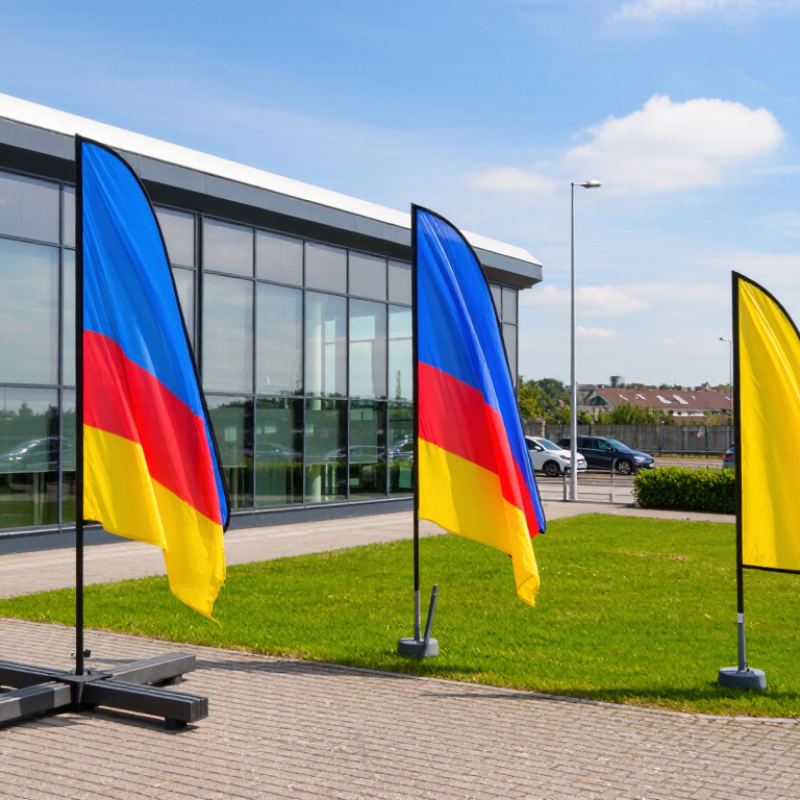
A teardrop flag is a fabric banner held open by a flexible pole, creating a curved top and a tapered lower edge. Unlike a flat banner, its shape helps keep the fabric recognizable when the wind shifts. The pole usually slides through a sewn sleeve, then connects to a ground spike or weighted base. Setup is simple. Still, check that every pole section is fully joined before raising the flag.
Wind gives the flag its motion, while tension from the curved pole keeps the fabric spread. In light air, the banner may hang closer to the pole; in a steady breeze, it often presents its design more clearly. It is not a rigid sign, and gusts can twist or fold the fabric. That limitation matters. Choose a base suited to the surface, such as a spike for firm soil or a broad weight for pavement, and follow the maker’s setup guidance.
For outdoor advertising, size and placement affect visibility as much as the printed message. A flag placed beside a busy walkway should stand clear of people and nearby obstacles. Check the viewing angle from a distance, since small text can disappear quickly. Fabric, stitching, and pole connections also deserve inspection after repeated use. A useful detail to reconsider: bigger is not always better, especially where wind exposure is high.
Key Components of a Teardrop Flag Display
A Teardrop Banner display has four working parts: the printed fabric, the pole, the base, and the fittings that connect them.
The fabric carries the message, so check that text stays clear near the curved top and narrow lower edge. A smooth, tensioned panel is easier to read than one with loose folds. Small stitching details matter. Reinforced edges can help the flag handle repeated setup and packing.
The pole sections should lock together firmly and follow the fabric’s sleeve without forcing it. At the base, choose a ground spike for soft soil or a weighted plate for hard, level surfaces. Match the base to the location. A windy car park needs more stability than a sheltered entrance. Teardrop Banners also benefit from a carry bag that keeps the pole and fabric separate; grit can scratch hardware or mark the print. Even a well-matched display may twist in shifting wind, so check its direction after setup. That step is easy to skip. A practical display is not always perfectly still, but every component should be easy to inspect and replace.
Flag Shapes, Sizes, and Outdoor Visibility
A teardrop flag stays readable because its curved top keeps fabric under tension. The shape looks clean from the front, but its narrow lower section leaves less room for text. Keep the message short: a few large words usually beat a crowded list. Choose bold lettering and strong contrast, then check the design from across a parking lot. That is where small details disappear.
Size affects both reach and placement. A compact flag around 7 feet tall can suit a sidewalk or market stall; a taller option near 12 feet may show above nearby displays. Exact dimensions vary, so check the finished height, including the pole and base. Visibility depends on more than height. Wind direction, sunlight, trees, and passing vehicles all change what people can see. Rotate the flag during setup and view it from likely approach paths. A useful test.
The fabric should move freely without brushing walls or overhead branches. On a calm day, even a large flag may hang limp, so its message can become harder to read. I have found that teams sometimes choose the tallest size before checking the site; that can make setup awkward and visibility worse. Measure the clear space first, and allow room for the base and people walking past.
Materials and Printing Options for Weather Resistance
Outdoor advertising exposes Teardrop Banner Flags to sun, drizzle, dust, and shifting wind. Polyester is a common fabric choice because it is light and dries fairly quickly. Knitted polyester can let some air pass through, while tighter weaves may hold printed color well. Neither option makes a flag storm-proof. Check the fabric weight, stitched edges, and pole sleeve before ordering. A reinforced hem helps reduce fraying, though it cannot prevent wear forever.
Tips: Ask for UV-resistant, dye-sublimation printing and a sample photo in daylight. Compare the printed colors with your artwork. Keep the flag clean, and let it dry fully before storage. Small habits matter.
Printing choice affects how a flag looks after repeated outdoor use. Dye-sublimation ink bonds with polyester fibers, so the design is less likely to crack like a surface coating. Still, prolonged direct sunlight can fade colors over time. Dark, saturated artwork may look striking at first, but fine details can become harder to read from across a parking lot. A pale background may show dirt sooner. That trade-off is easy to miss. If the flag will stay outside daily, ask the supplier about fabric and print durability, then check its care instructions. A rotating display may also reduce constant exposure on one side.
How to Choose a Teardrop Flag for Advertising Goals
Choosing a teardrop flag starts with the advertising goal. For a roadside promotion, prioritize visibility from a distance: use a tall pole and a short message with strong contrast. Near a shop entrance, a smaller flag may feel more welcoming and fit limited space. Keep the main offer or event name easy to read. Tiny text often disappears when the fabric moves.
Check the location before choosing the base. Soft ground may suit a ground spike, while pavement usually needs a weighted base. Wind exposure matters, too. A flag beside an open parking lot may face stronger gusts than one near a sheltered doorway. Choose durable, weather-appropriate fabric, and inspect stitching and pole fittings if the flag will be used repeatedly. Stability comes first.
Match the print layout to the flag’s curved shape, not just a flat artwork file. Keep essential words away from edges and folds. I once underestimated how much motion can blur a fine detail; it looked clear indoors, then became hard to read outside. Test it outdoors. View the flag from the distance customers will stand, and check it in changing light. One practical test can reveal more than another round of screen edits.
Bases, Setup, and Placement on Outdoor Sites
A teardrop flag works best when its base matches the ground. Use a ground spike in firm soil, or a weighted base on paving. Check the pole and base instructions before setup; no single base suits every site. Wind changes the decision. A flag beside an exposed car park may need more ballast than one sheltered by a building. Keep the fabric clear of branches, sharp edges, and vehicle paths. Small details matter.
The Outdoor Advertising Association of America reported that U.S. out-of-home advertising revenue reached $9.1 billion in 2023, up 2.1% from 2022. That figure reflects a broad advertising channel, not a performance guarantee for any flag. Still, it shows why visibility deserves careful planning. Place the display where people naturally pause, such as an entrance or check-in area, rather than where it competes with signs. Keep sightlines open and confirm placement with the site manager. Teardrop Banner Design should also consider viewing distance: fine text may disappear across a wide parking area.
Tips: Test the base on the actual surface. Check stability after setup and whenever wind picks up. A flag can look secure and still shift. That is easy to overlook. Avoid busy walkways, inspect fittings for wear, and take the display down when conditions exceed the manufacturer’s guidance. A quick photo from a visitor’s approach can reveal whether the message is readable—or simply too small.
Care, Storage, and Expected Service Life
Wind, dust, and repeated folding can wear a teardrop flag faster than occasional rain. After use, check the fabric, stitching, pole sections, and base for loose parts or small tears. Brush off dry dirt with a soft cloth. For stains, use cool water and mild soap, then rinse gently. Avoid harsh cleaners and scrubbing, which may damage the print or fabric. Let it dry completely.
Tips: Take the flag down when strong gusts are expected. Keep the pole from rubbing against rough walls or pavement. A small tear is easier to repair before it spreads. Don’t pack it away damp.
For storage, fold the fabric loosely along its natural shape and keep it in a dry, shaded place. Store pole sections separately if they could press into the cloth. Teardrop Flags And Banners do not have one guaranteed service life; exposure, handling, and material quality all matter. A flag used daily outdoors may fade or fray sooner than one used occasionally. Even careful maintenance cannot prevent all wear. Check it regularly, and replace it when the fabric no longer displays clearly or the pole feels unstable.
2026 Best Teardrop Flag for Outdoor Advertising — Care, Storage, and Expected Service Life
Estimated service-life planning ranges for outdoor use. Actual lifespan varies with fabric, sunlight, wind, weather, and care.
Care and storage: Take the flag down during strong winds or severe weather, and inspect the fabric, seams, and pole regularly. Clean according to the fabric’s care instructions and let it dry completely before storing it in a cool, dry place. The ranges shown are general estimates, not a warranty or a standardized lifespan rating.
A Practical Guide to Connecting Tents and Flags with an Outdoor Display Connector
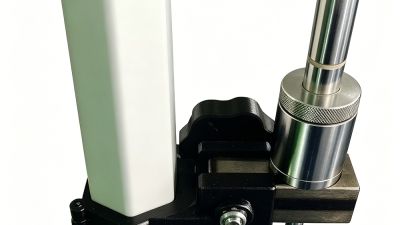
Connecting a tent and a flag can create a clear, coordinated display for outdoor promotions, trade booths, or roadside advertising. A tent-and-flag linker makes this setup straightforward: its durable plastic clamps grip square tent poles, while adjustable screw knobs let you tighten the fixture to suit the pole. Choose a position where the flag will be visible without obstructing tent entrances or walkways, then align the connector with the tent frame.
After securing the clamps, place the flag pole onto the polished stainless steel spindle and check that it sits firmly. The connector is designed for assembly without extra tools, making it convenient to install or reposition at an event. Tighten the knobs evenly so the fixture stays in place, and avoid forcing them beyond a secure fit. Before displaying the flag, gently check the connection and confirm that the tent and flag poles are stable. Its sturdy metal construction and load-bearing design support practical use in outdoor display setups, while a quick inspection during the event can help ensure the connection remains secure.
Conclusion
A Teardrop Flag is a portable outdoor display designed to catch attention with its distinctive curved shape and moving fabric. Its frame, printed flag, and supporting base work together to create a clear advertising surface that can be seen from different directions. Available in various sizes and proportions, it can suit locations ranging from compact entrances to open event spaces. Choosing a size that fits the viewing distance and surroundings helps keep the message easy to notice and read.
For outdoor use, consider durable fabric, weather-resistant printing, and a base suited to the ground, such as pavement or grass. Match the flag’s size and design to your advertising goals, then position it where it is visible without obstructing walkways. Setup is generally straightforward, while regular cleaning, complete drying before storage, and careful packing can help preserve the fabric and frame. Service life depends on materials, weather exposure, and maintenance.