Picking a business banner in 2026 really starts with asking yourself one basic thing: where do you want people to see it? Think about it—if it’s outside your shop, it’s gonna deal with wind, rain, and all that traffic rushing by. But if it’s inside, like at a conference, it needs to stand out under bright lights and be easy to read from a few rows back. So yeah, the setting totally matters. And don’t forget, what you wanna say also counts.
This guide’ll walk you through some of the most popular types of business banners—like vinyl ones built tough for outdoor use, fabric banners that look sleek indoors, mesh banners perfect for breezy spots, and retractable banners that are super handy for events or moving around. We'll also touch on step-and-repeat backdrops and digital displays, because sometimes your choice depends on your budget, power access, or how much effort you're willing to put into maintenance. Little things—like the mounting points, print contrast, how far away people will view it, and whether your team can set it up without needing extra tools—really matter. Sure, a clean, eye-catching design is great, but it won’t save a banner with unreadable text or one that just doesn’t fit the space.
There’s no one-size-fits-all answer here. It can be a bit of a hassle, I know. A cheap banner might do the trick if it’s just for a quick promo, but if you’re running recurring events, a reusable one probably makes more sense. Materials and print quality can vary a lot depending on the supplier, so always check the specs and ask for a proof before placing your order. This overview is meant to give you practical advice—no magic formulas or rankings. Use it to compare common options and weigh the pros and cons before you make a final call. Missing even a small detail could end up costing you time or, worse, your message not coming across as it should.
Business Banner Types Defined: Formats, Materials, and Common Uses
What Are the 2026 Top Business Banner Types?
Business Banner Types Defined: Formats, Materials, and Common Uses
In 2026, business banners continue to serve practical marketing needs. The strongest choices match the location, viewing distance, and expected weather. Vinyl banners remain popular for storefronts, construction fences, and seasonal promotions. Their smooth surface supports bold lettering and bright graphics. Mesh banners work better on windy fences because small openings reduce air pressure. However, fine details may look less sharp.
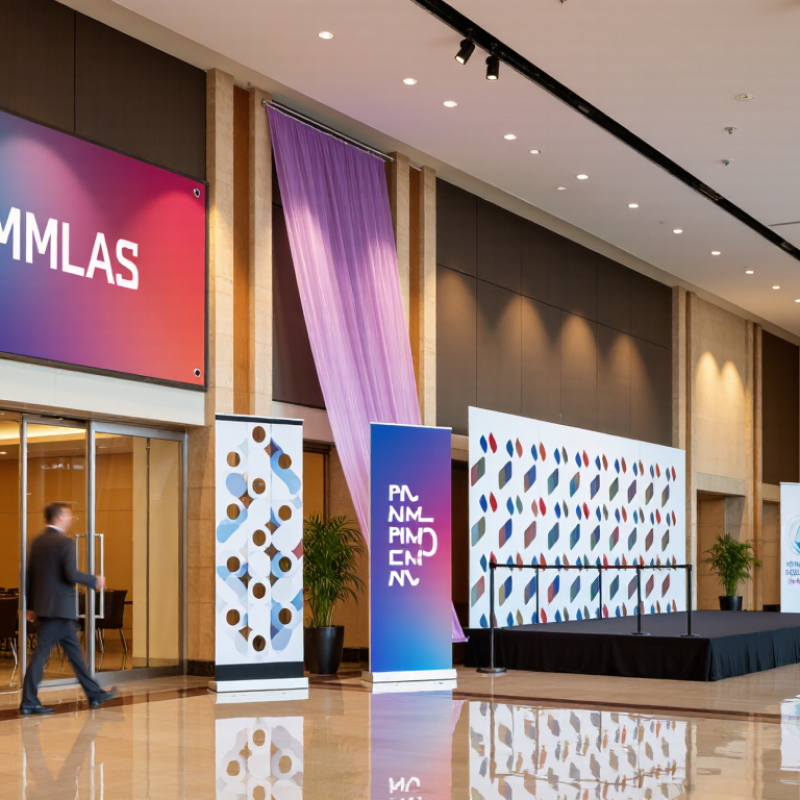
Fabric banners create a softer appearance for conferences, reception areas, and indoor displays. Polyester feels lightweight and folds easily for repeated events. Tension fabric systems provide a clean, stretched surface with fewer visible wrinkles. They often suit trade show walls and temporary photo backdrops. I have found that poor measuring causes more problems than poor printing. A banner can look professional and still fit badly.
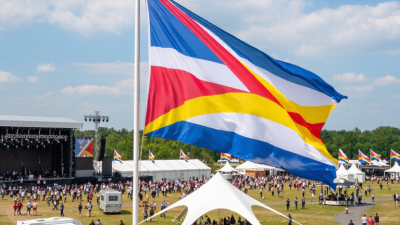
Retractable banners are useful near entrances, registration desks, and retail counters. They pack into a compact base and set up quickly. Hanging banners attract attention above busy walkways, while rigid board signs provide stronger structure for short-term displays. Business Flags add movement and visibility outside shops, open houses, and local events. Their curved shapes remain readable when wind changes direction. Still, flags need stable bases and enough clearance from vehicles. That detail is easy to overlook. Before ordering, check mounting hardware, indoor or outdoor exposure, and the reader’s distance. A smaller message often performs better than crowded artwork.
Vinyl Banners: Durable Graphics for Indoor and Outdoor Promotion
What Are the 2026 Top Business Banner Types?
Vinyl banners remain practical for indoor and outdoor promotion because they handle moisture, sunlight, and repeated handling. A 13-ounce banner suits short campaigns, while 18-ounce material feels sturdier near entrances or fences. Reinforced hems and evenly spaced grommets reduce tearing when wind pulls against the sign. These details matter more than glossy artwork alone.
The Outdoor Advertising Association of America reported $9.1 billion in U.S. out-of-home advertising revenue during 2023, a 4.2% annual increase. Physical visibility still earns attention. Allied Market Research also projects the global digital printing market to reach $67.03 billion by 2032. That growth supports sharper, faster banner production, although digital printing does not automatically guarantee better communication.
Choose high-contrast lettering, generous spacing, and a viewing distance that matches the location. A banner read from a parking lot needs fewer words than one displayed beside a reception desk. Matte surfaces can reduce glare under strong indoor lighting. Outdoor graphics should use UV-resistant inks, but fading can still occur over time. Vinyl is not perfect. Poorly tensioned banners flap, crease, and look temporary. I have seen attractive designs fail because their grommets were too far apart. Reviewing wind exposure, mounting hardware, and replacement timing before printing makes the promotion more reliable.
Mesh Banners: Wind-Resistant Options for Fences and Construction Sites
What Are the 2026 Top Business Banner Types?
Mesh banners are becoming practical choices for fences, scaffolding, and construction entrances. Their perforated structure lets air pass through instead of forming a solid sail. That reduces stress on fence panels, eyelets, and support points. A mesh banner is not windproof. That distinction matters. In field installations, loose edges often cause more damage than the printed surface. Reinforced hems, evenly spaced grommets, and tensioned cable ties can improve stability.
Demand is supported by active building activity. The U.S. Census Bureau reported more than $2 trillion in U.S. construction spending during 2024. That creates many temporary surfaces requiring clear project identification and safety messaging. Grand View Research also projects continued growth in the global outdoor advertising market through 2030. Mesh banners can serve both needs without blocking visibility completely. Workers may still see fencing, equipment, and warning zones behind the print.
Site conditions must guide material selection. The American Society of Civil Engineers’ ASCE/SEI 7-22 standard provides wind-load guidance for structures and temporary installations. Banner suppliers should not treat one mesh percentage as suitable everywhere. Coastal exposure, open fields, building corners, and narrow corridors behave differently. NOAA recorded 27 U.S. billion-dollar weather and climate disasters in 2024, reminding planners that weather assumptions can fail. Regular inspections remain necessary. A stronger banner can still become unsafe when hardware loosens or the fence shifts.
Retractable Banners: Portable Displays for Events and Retail Spaces
Retractable banners are useful when a business needs a clear message without a permanent display. A staff member can lift the printed panel from its base, extend the support pole, and set it beside a checkout counter or event table. Setup takes only a few minutes. The display is ready.
Their portability suits trade shows, pop-up shops, and retail spaces where layouts change. A compact carrying case helps protect the rolled graphic during transport, while the narrow base takes up little floor space. Unlike an A Frame Business Sign, a retractable banner presents information vertically and can be placed indoors without needing a sidewalk footprint. Keep key details at eye level, and use large lettering that visitors can read from several steps away. A phone number, brief offer, or directional message is usually more effective than a crowded list.
Durability depends on how the banner is handled. Pull the graphic straight up, and guide it slowly back into the base; letting it snap down can crease or damage the material. Even careful use has limits. Frequent travel may scuff the case, and bright lights can create glare on some finishes. Check the display under the venue’s actual lighting before an event, not just in the office.
What Are the 2026 Top Business Banner Types?
Retractable Banners: Portable Displays for Events and Retail Spaces
Retractable banner systems are commonly offered in nominal graphic widths of 24, 33, 36, 47, and 60 inches. Compact widths suit counters, entrances, and narrow retail areas, while wider formats provide stronger visibility at trade shows and event venues. These figures represent common display dimensions rather than market-share estimates.
Fabric and Step-and-Repeat Banners: Event Graphics in a Growing Market
In 2026, fabric and step-and-repeat banners are shaping business event graphics. They offer flexible visuals for conferences, retail launches, and community gatherings. Fabric displays feel softer than vinyl and reduce glare under strong venue lighting. Their printed surfaces also fold compactly for transport. That matters when teams move between several events.
Step-and-repeat banners remain useful for photo areas and sponsor recognition. Repeated logos create a consistent background without distracting from guests. A practical setup needs a stable frame, accurate tension, and careful lighting.
Wrinkles can weaken an otherwise professional image. I have seen small creases become obvious beside camera flashes. Test the banner before guests arrive. It saves awkward adjustments.
Business Flags And Banners can extend the same visual system outdoors. Feather flags guide visitors toward entrances, while fabric walls define registration zones. The best choice depends on wind exposure, viewing distance, and installation time.
Designers should check color contrast on fabric, not only on a screen. Some shades appear darker after printing. That assumption deserves review. Step-and-repeat artwork also needs balanced spacing, readable marks, and enough empty area for photographs. A crowded layout may show every detail, yet communicate very little.
Reliable suppliers should provide material samples, finishing details, and clear setup instructions before production. Teams should inspect seams, pole fittings, and base stability at delivery. Small checks protect the event experience.
Digital Signage Banners: A Market Forecast to Reach $45.9B by 2030 (Grand View Research)
What Are the 2026 Top Business Banner Types?
Business banners in 2026 range from printed storefront graphics to indoor display screens and event backdrops. Digital signage is drawing attention because it can update promotions without reprinting a panel. Grand View Research estimates the global digital signage market could reach $45.94 billion by 2030, growing from $28.83 billion in 2023. The forecast points to rising investment, not guaranteed returns. A screen still needs useful content, good placement, and regular maintenance.
A Flag Banner can catch attention outside a shop, especially near a doorway or walkway. Retractable banners suit receptions and trade events, while large-format graphics can make a blank wall feel more inviting. Digital displays work well for changing menus, schedules, or limited-time offers. Yet a bright screen is not automatically better. Glare, poor viewing angles, and stale messages can weaken its impact. Market forecasts also cannot tell each business which format will perform best.
Tips: Match the banner to its viewing distance and setting. Check screen brightness in the actual space, not only in a showroom. Keep key text short and readable from a few steps away. Track inquiries or visits after changing the display. Results may be uneven at first; revise the message before replacing the format.
Conclusion
Choosing the right Business Banner starts with understanding where it will be displayed, how often it will be used, and what conditions it must withstand. Vinyl banners offer sturdy, vivid graphics for indoor promotions and many outdoor settings. Mesh banners allow wind to pass through their material, making them a practical choice for fences and construction sites. For businesses that need a display they can move and set up quickly, retractable banners work well at events, in retail spaces, and in other temporary locations.
Fabric banners bring a softer finish to event décor, while step-and-repeat displays help create a consistent backdrop for photos and presentations. Digital signage banners add flexibility by allowing messages and visuals to be updated on electronic screens. With the digital signage market forecast to reach $45.9 billion by 2030, businesses have an expanding range of ways to present timely information. Selecting a banner format and material that suit the setting can help make each display both useful and appealing.