Leave Your Message
0%

If you're planning an outdoor event in 2026, you need shelter that does more than look good in a graphic. A Promotional Tent, for example, has to protect your guests, keep your branding clear, and still be practical when the weather decides to change halfway through the day. From what event pros see, those small design choices really do shape the whole visitor journey. Frame strength definitely matters. So does setup time. No one wants a tent that fights back while you're trying to get things ready. If you're trying to pick a tent for trade shows, markets, sports events, or company get-togethers, this guide walks through some of the top options out there. We'll look at things like canopy fabric, frame construction, printed panels, ventilation, how easy it is to transport, and whether replacement parts are available. All of that makes it a lot easier for teams to compare products and feel confident about their choice. And it also helps spot the places where a super low price might mean extra work down the road.

Choosing something reliable takes more than just reading the product claims. You’ll want to look for fabric ratings that are documented, connection points that have actually been tested, anchoring systems that stay stable, and care instructions that are easy to follow. A good supplier should be honest about wind limits instead of pretending their product can do the impossible. That honesty matters. We’ll compare some established manufacturers, like E-Z UP, Eurmax, and custom event specialists, and separate the verified features from the marketing talk. Honestly, user feedback is what really fills in the practical side—things like how a tent holds up after being put up and taken down again and again, how small it packs down, and whether the colors stay consistent. That said, no one tent works for every kind of event. A beach event, an urban promo, a weekend tournament—they all ask for different things. Our suggestions might not be perfect, either, since budgets, weather, and staffing can vary so much. And yeah, that limitation matters. At the end of the day, the best pick comes down to balancing visibility, safety, durability, and just being easy to use day to day. Opening day, it should look professional—obviously. But after a bunch of events? It's gotta still hold up.
2026 Best Promotional Tent for Outdoor Events

What Is a Promotional Tent for Outdoor Events?

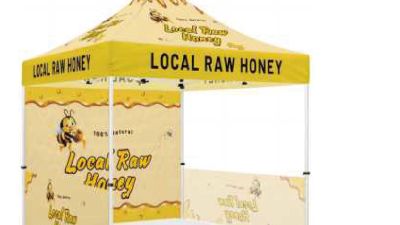
A promotional tent for outdoor events is a portable shelter designed to display a business, campaign, or event message. It usually combines a folding frame, weather-resistant canopy, printed graphics, and weighted feet. Unlike a plain market shelter, it turns overhead space into visible communication. The canopy may show a logo, product image, short offer, or contact details. Think of a sunny sports field, where visitors see the tent before reaching the registration table. It provides shade, marks a location, and creates a recognizable meeting point.

In practical use, staff assemble the structure beside an entrance, food area, exhibition route, or community stage. A ten-by-ten-foot layout often supports one counter and two staff members. Crowd flow can change that quickly. Sidewalls add privacy and block wind-driven rain, while open sides invite conversation. Effective designs keep text readable from several meters away. They also place the main message near eye level. Safety matters. Each leg needs suitable ballast, especially on pavement or exposed grass. Local venue rules may limit height, anchoring, and placement.

The best promotional tent is not automatically the largest or brightest. Material quality, stitching, water resistance, print clarity, and replacement parts affect repeated use. From event experience, rushed setup causes uneven graphics and unstable corners. Mistakes still happen. A heavy frame can resist wind but slow transport and increase labor. A lightweight model travels easily but may need more ballast. Measuring the site, checking the forecast, and rehearsing assembly often create a more dependable setup than choosing by appearance alone.

Key Features of the Best Promotional Tents in 2026

The best promotional tent for outdoor events in 2026 must balance visibility, safety, and everyday practicality. Event crews need a structure that sets up quickly on grass, pavement, or compacted soil. A reinforced frame reduces movement during repeated use. Clear assembly points also help temporary staff avoid costly mistakes.

Weather resistance remains a key feature. Look for solution-dyed fabric, sealed seams, and a roof that sheds rain without pooling. Heavy-duty feet and adjustable straps improve stability on uneven ground. However, no tent should be treated as storm-proof. Wind conditions can change faster than an event schedule. I learned this after watching a lightly weighted shelter twist during a sudden gust.

Branding should remain readable from a distance. Large sidewalls support bold messaging, while a Promotional Flag can guide visitors toward the entrance. High-contrast printing works well under cloudy skies and evening lighting. The best graphics also resist fading after repeated outdoor exposure. Ask for fabric test details, not just attractive sample images.

Convenience matters, too. A wheeled storage bag, replaceable connectors, and washable panels extend the tent’s working life. Check the packed size before purchasing. Some models look compact online but fill half a vehicle. I still prefer a slightly heavier frame when trained staff handle transport and setup. It takes longer to move, but it feels more dependable in real event conditions.

Types of Promotional Tents and Their Event Applications

2026 Best Promotional Tent for Outdoor Events

Types of Promotional Tents and Their Event Applications

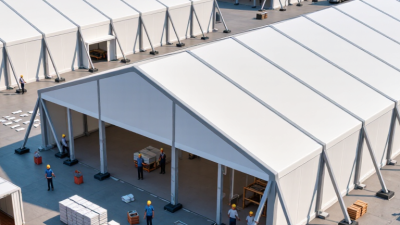
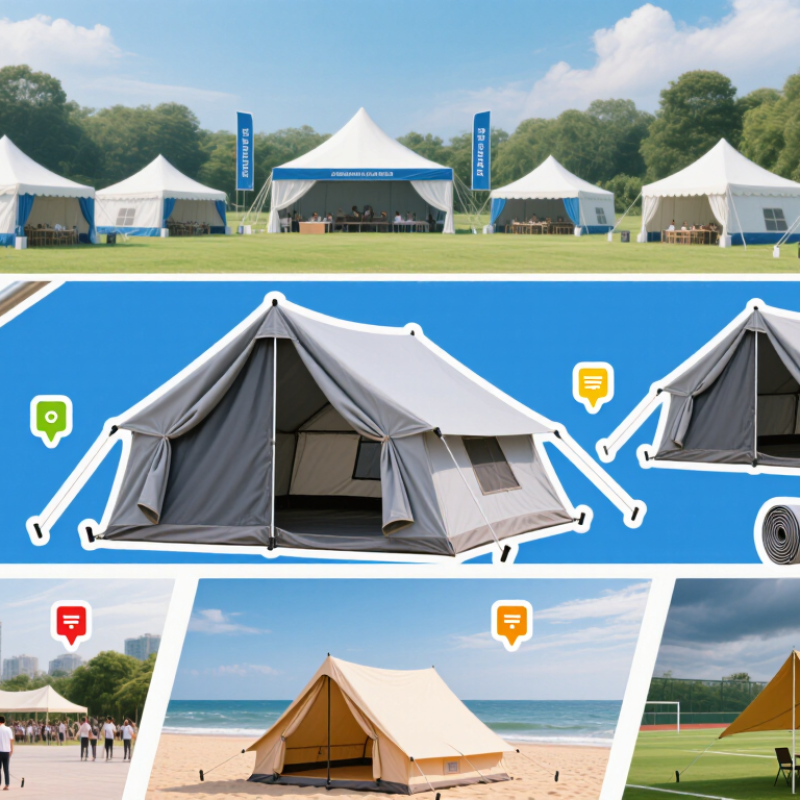
Promotional tents support different outdoor event goals. Pop-up canopy tents suit markets, sports days, and short product demonstrations. They open quickly and provide shade beside busy walkways. Inflatable tents create stronger visual impact for launches and festivals. Their curved shapes remain visible across crowded grounds. Marquee tents offer more room for registration desks, seating, and demonstrations. They work well when guests need shelter for longer periods. Promotional Banners can define entrances, display schedules, or guide visitors toward staff.

Event conditions should guide the tent choice. A beach event may need weighted bases and water-resistant fabric. A food festival requires cleanable surfaces and practical ventilation. At a trade event, sidewalls can reduce distractions and improve conversations. I have seen teams choose large tents too quickly. The extra space looked impressive, but setup became slow and tiring. A smaller tent sometimes performed better.

Tips: Check the ground before ordering. Measure transport space, door widths, and storage areas. Use clear graphics at eye level. Keep one side open when airflow matters. Secure every leg with suitable weights. Test the printed layout under daylight, not only on a screen. Ask the event organizer about height limits and setup times. Conditions can change. A calm forecast is not a guarantee.

How to Choose the Right Promotional Tent Size and Design

Choosing the right promotional tent starts with the event footprint, not the artwork. A 10-by-10-foot tent suits one table and two staff members. A 10-by-20-foot tent offers room for product displays, demonstrations, and visitor movement. Measure twice. Crowded entrances reduce engagement and create awkward traffic.

The 2023 Advertising Specialty Institute Ad Impressions Study reported that 85% of consumers remembered the advertiser on a promotional product. This supports clear, repeated branding across the roof, valance, walls, and counters. Keep the main message readable from several metres away. Use high-contrast colours and one strong image. Tiny text disappears in sunlight. I have made that mistake before.

Design must also reflect location and weather. For a windy beach, choose reinforced legs, weighted bases, and partially open walls. For a shaded garden event, full walls can create a warmer, more private space. The 2024 Global Exhibition Barometer reported continued growth in international exhibition activity, increasing competition for visitor attention. Your tent needs a visible identity before people reach the booth. Promotional Feather Flags can extend that visibility above crowds, but they should support the tent rather than overpower it. Leave clear space around entrances, cables, and cooking or electrical equipment. A beautiful layout can still fail when staff cannot move comfortably. Recheck the plan on site. Events rarely match the diagram.

Materials, Weather Resistance, and Safety Considerations

2026 Best Promotional Tent for Outdoor Events

Materials, Weather Resistance, and Safety Considerations

A reliable promotional tent begins with its fabric and frame. Coated polyester or oxford fabric can resist light rain and repeated setup. Look for reinforced corners, strong stitching, and sealed seams. Aluminum frames are lighter for transport, while steel frames offer greater rigidity. I have found that weak connectors often fail before the fabric does.

Weather protection needs practical testing. A tent may repel rain, yet still leak through an unsealed seam. Check the canopy after a short shower. Watch for water pooling on the roof. Use suitable sidewalls when rain moves sideways. Never treat a promotional tent as permanent shelter. Strong gusts can lift it within seconds, even on dry ground.

Tips: Inspect every joint before opening the tent. Secure each leg with heavy, stable ballast. Add ropes and stakes when the surface allows. Keep exits clear of bags, cables, and display stands. Stop using the tent when wind approaches its tested limit. Follow the manufacturer’s setup instructions and local event requirements. Keep a repair kit nearby. Small tears become larger problems. I once ignored a loose strap, and the canopy shifted during a crowded afternoon. That mistake changed my inspection routine.

Branding, Setup, Transport, and Maintenance Requirements

2026 Best Promotional Tent for Outdoor Events: Branding, Setup, Transport, and Maintenance Requirements

A strong promotional tent should work as a mobile brand space, not merely as weather cover. The Outdoor Industry Association’s 2024 Outdoor Participation Trends Report recorded 175.8 million U.S. outdoor recreation participants in 2023. That scale makes visibility important. Use high-contrast graphics, readable messaging, and consistent colors across the canopy, walls, Promotional Flags And Banners, and counters. Keep key text above eye level, where passing visitors can see it clearly. A practical rule is one message per panel. Too many details become visual noise.

Setup requires more than speed. Choose corrosion-resistant frames, flame-resistant fabric, weighted bases, and clear assembly instructions. The Event Safety Alliance’s Event Safety Alliance Reopening Guide emphasizes documented procedures, trained crews, and site-specific risk checks. Confirm wind exposure, ground conditions, pedestrian flow, and emergency access before anchoring the tent. I have seen teams underestimate ballast needs on paved sites. That mistake is expensive and avoidable. Practice assembly with gloves before event day.

Transport planning affects labor and product life. Measure packed components against vehicle doors, storage racks, and stairways. Label every case. A wheeled case helps, but uneven grass still causes trouble. After each event, dry fabric completely before storage, inspect stitching, clean printed surfaces with mild soap, and record damaged parts. The International Association of Exhibitions and Events recommends systematic equipment planning; however, real crews sometimes skip the maintenance log. That shortcut can weaken the next setup.

2026 Best Promotional Tent for Outdoor Events - Branding, Setup, Transport, and Maintenance Requirements

Promotional Tent Type Typical Footprint Recommended Use Branding Requirements Setup Requirements Transport Requirements Maintenance Requirements Weather and Safety Notes
Pop-Up Canopy Tent 3 × 3 m or 10 × 10 ft Exhibitor booths, product demonstrations, registration areas, farmers’ markets, and small outdoor promotions.
  • Use dye-sublimated or digitally printed canopy panels for logos and large graphics.
  • Keep text readable from a distance by using strong contrast and limited wording.
  • Use fitted table covers and optional sidewalls for additional branding.
  • Usually requires two people for safe assembly.
  • Open the frame on level ground and secure the canopy before attaching sidewalls.
  • Allow approximately 10–20 minutes for a basic setup, depending on the frame and accessories.
  • Store the folded frame and fabric in a wheeled carry bag when possible.
  • Check the packed length and weight against vehicle and venue restrictions.
  • Protect printed fabric from sharp frame edges during transport.
  • Brush off loose dirt before folding.
  • Clean fabric with mild soap, lukewarm water, and a soft brush or sponge.
  • Dry completely before storage to reduce the risk of mildew.
Use suitable ballast and never leave the structure unattended in strong wind, lightning, or severe weather.
Compact Inflatable Tent 3 × 3 m to 5 × 5 m Fast-deployment campaigns, sports events, promotional tours, queue shelters, and temporary visitor areas.
  • Use removable printed skins or printed inflatable panels for campaign flexibility.
  • Place important branding on front-facing surfaces and above crowd level.
  • Confirm that graphics match the approved color profile before production.
  • Requires an electric blower or approved inflation system.
  • Secure all anchor points before inflation is complete.
  • Typical inflation time is about 3–10 minutes, depending on size and design.
  • Pack only after the fabric is clean and dry.
  • Carry the blower, repair kit, extension cable, and anchoring equipment together.
  • Use a protective transport bag to prevent punctures and abrasion.
  • Inspect seams, valves, zippers, and attachment points before each event.
  • Clean with a non-abrasive solution and allow full air-drying.
  • Repair small punctures only with materials compatible with the tent fabric.
Continuous-air models need a functioning blower during use; monitor electrical connections and avoid operation during lightning.
Stretch Promotional Tent 4 × 4 m to 10 × 10 m Hospitality areas, lounge spaces, evening events, VIP reception zones, and visually distinctive brand activations.
  • Use custom-dyed stretch fabric or printed banner panels.
  • Plan graphic placement around tension points, entrances, and viewing angles.
  • Use coordinated furniture, lighting, and flags to reinforce the visual identity.
  • Requires multiple people for larger footprints.
  • Set poles and perimeter anchors before applying final fabric tension.
  • Setup commonly takes 30–60 minutes, depending on size, layout, and ground conditions.
  • Transport fabric separately from poles and heavy ballast.
  • Use protective sleeves for poles and keep hardware organized in labeled cases.
  • Confirm that the packed volume fits through venue doors and loading areas.
  • Clean promptly after exposure to mud, food, beverages, or salt spray.
  • Do not fold damp stretch fabric.
  • Check fabric elasticity, seams, poles, and anchor straps before reuse.
Correct tension and anchoring are essential; do not use damaged fabric or poles in windy conditions.
Modular Exhibition Canopy 3 × 6 m or larger custom layouts Trade fairs, corporate roadshows, public information events, and multi-zone product displays.
  • Combine printed roof panels, fabric walls, headers, counters, and backwalls.
  • Use a consistent grid for logos, headlines, product images, and visitor instructions.
  • Reserve clear areas for safety notices, access routes, and event regulations.
  • Requires a detailed floor plan and trained installation team.
  • Allow extra time for flooring, lighting, counters, shelving, and electrical connections.
  • Verify venue height, access, fire rules, and installation times in advance.
  • Transport normally requires multiple cases, carts, or a palletized shipment.
  • Label each component according to the assembly sequence.
  • Protect printed panels from compression, moisture, and folding damage.
  • Inspect connectors, frame sections, graphics, lights, and shelves after every event.
  • Store fabric graphics flat or loosely rolled according to the material instructions.
  • Maintain an inventory of replacement fasteners and small hardware.
Indoor venue rules may require flame-retardant documentation, certified electrical equipment, and approved installation procedures.
Event Hospitality Tent 6 × 6 m to 10 × 20 m Food service, shaded seating, sponsor hospitality, staff areas, and medium-to-large public events.
  • Use roof branding for visibility and sidewalls for perimeter messaging.
  • Combine printed panels with directional signs and menu or information boards.
  • Keep branding away from emergency exits and service access points.
  • Requires a professional crew for large structures and complex layouts.
  • Plan for flooring, lighting, tables, fire extinguishers, and accessible routes.
  • Complete a site inspection for ground type, overhead obstructions, and utility locations.
  • Usually requires a box truck, trailer, or coordinated logistics delivery.
  • Separate heavy ballast, frame components, flooring, and fabric during loading.
  • Use weather-protected transport for fabric and electrical equipment.
  • Remove food residue and spills immediately.
  • Inspect flooring, fasteners, walls, roof panels, and electrical accessories after use.
  • Schedule periodic professional cleaning for heavily used fabric.
Follow local requirements for fire safety, food hygiene, accessibility, electrical supply, occupancy, and emergency egress.
Custom Branded Double-Slope Tent 5 × 5 m to 10 × 10 m Premium launches, media events, ceremonial areas, ticketing, and high-visibility outdoor campaigns.
  • Use full-color roof and wall graphics with a clear hierarchy of logo, message, and call to action.
  • Prepare artwork at the supplier’s required scale, bleed, and safe-area specifications.
  • Use replaceable graphic panels when the campaign message changes frequently.
  • Requires a level site, a complete frame system, and adequate anchoring.
  • Allow approximately 30–90 minutes for setup, depending on footprint and accessories.
  • Use a trained team for roof installation, wall alignment, and tensioning.
  • Transport in wheeled cases or protective bags with separate hardware storage.
  • Confirm total case dimensions before booking delivery or event freight.
  • Keep graphic panels dry and prevent prolonged exposure to direct heat in vehicles.
  • Wash according to the fabric care label and avoid harsh solvents.
  • Inspect printed surfaces for fading, scratches, seam separation, and water damage.
  • Replace worn bungee cords, clips, straps, and damaged poles before deployment.
Follow the manufacturer’s wind-rating guidance and the event site’s anchoring rules; decorative appearance does not replace structural safety.

Planning note: Final setup time, ballast quantity, transport weight, weather limits, fire documentation, and cleaning instructions depend on the selected structure, materials, site conditions, and local event regulations.

Folding Tent WK-T35: Hexagonal Design Trends Based on Grand View Research’s 2024 Market Data

Grand View Research’s 2024 market analysis highlights portability, modular formats, and visual customization as important trends shaping the temporary shelter and event-display sector. Within this context, hexagonal structural concepts are gaining attention because they distribute load efficiently while creating a distinctive alternative to conventional square canopies. The WK-T35 folding tent applies this design direction through a 40 mm hexagonal aluminium frame, combining structural stability with a portable format suitable for exhibitions, trade fairs, outdoor promotions, and community events.

Its frame unfolds in under one minute, helping teams reduce setup labor and adapt quickly to changing venues. Three adjustable leg heights allow the shelter to accommodate different display requirements, while the 600D polyester cover offers a practical balance of durability and handling convenience. Available in 2.5 × 2.5 m, 3 × 3 m, 3 × 4.5 m, 3 × 6 m, and 4 × 4 m configurations, the system can support both compact promotional stations and larger branded booths.

Customization is another key market priority identified in recent event-display research. The WK-T35 supports full-color printing across the roof, valance, and side walls, enabling consistent graphics from every viewing angle. This makes the folding tent suitable for organizations seeking a recognizable presentation without sacrificing quick installation, flexible sizing, or transport efficiency.

FAQS

What makes a promotional tent suitable for outdoor events?

It should balance visibility, safety, weather resistance, and practical transport. A reinforced frame helps reduce movement during repeated setup. Clear assembly points reduce mistakes among temporary staff. It should never be treated as storm-proof.

Which tent type works best for short outdoor activities?

Pop-up canopy tents suit markets, sports days, and brief demonstrations. They open quickly and provide shade near busy walkways. Their compact design can simplify transport. Small details matter.

When should an inflatable or marquee tent be considered?

Inflatable tents create strong visual impact at launches and festivals. Marquee tents provide more room for registration, seating, and demonstrations. Choose based on guest time, available space, and setup labor. Bigger is not always better.

How can graphics improve visitor attention?

Use high-contrast graphics with short, readable messages. Keep important text above eye level. One main message per panel usually works best. Too much information becomes visual noise.

How should a tent handle changing weather conditions?

Look for solution-dyed fabric, sealed seams, and roofs that shed rain. Heavy feet and adjustable straps improve stability on uneven ground. Check wind exposure before anchoring the structure. Calm weather can change quickly.

What safety checks should event crews complete?

Inspect the ground, pedestrian flow, emergency access, and nearby height limits. Secure every leg with suitable weights. Practice assembly with gloves before event day. Do not rely on appearance alone.

What transport features are worth paying attention to?

Measure the packed tent against vehicle doors, stairways, and storage racks. A wheeled case helps, especially on smooth pavement. Uneven grass can still make movement difficult. Measure twice.

How can a promotional tent last through repeated events?

Dry the fabric completely before storage. Clean printed surfaces with mild soap and inspect stitching after each event. Replace damaged connectors instead of ignoring them. I sometimes skipped maintenance logs, and that was a poor shortcut.

Conclusion

A Promotional Tent is a practical outdoor display structure designed to provide shade, shelter, and a visible branded space for events such as markets, exhibitions, sports gatherings, festivals, and community activities. The best Promotional Tent for 2026 should combine quick setup, stable construction, weather resistance, portability, and a professional appearance. Depending on the event, organizers may choose pop-up canopies, enclosed tents, inflatable structures, or larger modular systems. Each type offers different advantages in terms of space, privacy, airflow, and visual impact.

Choosing the right tent requires considering its size, layout, color scheme, graphics, and expected visitor traffic. Durable fabrics, reinforced frames, secure anchors, water resistance, UV protection, and safe installation are essential for changing outdoor conditions. Clear branding should remain easy to see from a distance without reducing functionality. Lightweight components, carrying cases, efficient setup systems, and simple cleaning routines can also improve transport and long-term maintenance. With the right combination of design, materials, safety features, and event purpose, a Promotional Tent can create a reliable and inviting space for audience engagement.
Isabella

Isabella

Isabella is a talented marketing professional at Foshan Aodong Tent Co., Ltd., a distinguished manufacturer renowned for its high-quality indoor and outdoor commercial display equipment. With a deep understanding of the company’s products and a commitment to excellence, she plays a pivotal role in......
Previous How to Choose the Best Outdoor Flag for Business in 2026?