Leave Your Message
0%

Looking ahead to 2026, picking out the best Beach Flag Pole isn't just about comparing prices anymore. Nowadays, buyers around the globe are thinking about more than just cost — they check out visibility, how well it stands up to wind, the durability of the fabric, packaging details, and how easy it is to get replacements if needed. According to Grand View Research’s Outdoor Advertising Market report, outdoor advertising is still booming, thanks to mobile campaigns and location-specific visibility. That trend definitely supports the need for practical flag setups for resorts, trade shows, car dealerships, and outdoor festivals. But hey, just because the market's growing doesn’t mean all products are top-notch quality, so keep that in mind.

A good Beach Flag Pole should combine a flexible fiberglass pole, fittings that won’t rust, and a fabric sleeve that's reinforced for durability. When shopping around, it’s smart to ask for test results—stuff like UV resistance, seam strength, and wind performance are key. ISO 4892-3 can help with accelerated weathering tests, and EN 1991-1-4 gives useful basics about wind loads for outdoor setups. While these standards help guide smarter decisions technically, don’t forget—nothing beats actual site testing. Things like sand, salt spray, sudden gusts, or uneven ground can totally change how well the flag performs in real life.

Now, if you’re searching for something like Flag Pole Beach, just keep in mind that different suppliers might use the same words but offer pretty different specs. Companies like Feather Flag Factory, Flags International, and Displays2go each have their own styles, materials, and service options. So, it pays to compare—don’t just go for the cheapest option without a second thought. A pole that looks great next to a hotel entrance might seem perfect at first, but after a big storm, it could lean over or even topple—that's the kinda thing you want to avoid. That’s the tricky part: what’s 'best' really depends on where you’re putting it, your budget, exposure, and how well you’re ready to maintain it. This guide aims to help you by looking at those details — specs, what other buyers have experienced, and real-world considerations. There’s no one-size-fits-all perfect choice, but there are sensible options out there if you do your homework.
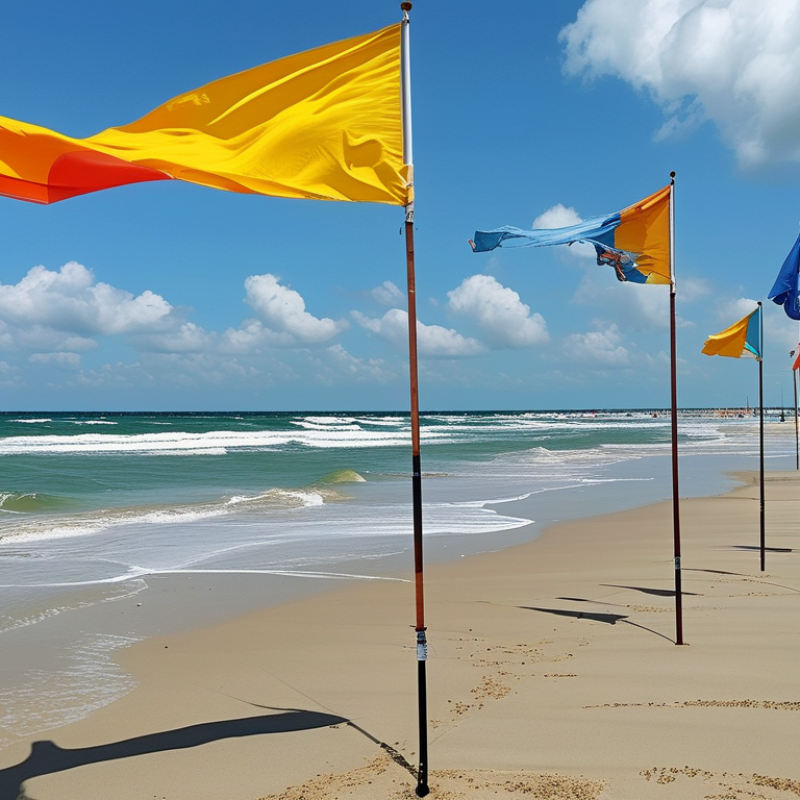
2026 Best Beach Flag Pole for Global Buyers?

Beach Flag Poles: Purpose, Uses, and Global Market Overview

2026 Best Beach Flag Pole for Global Buyers?

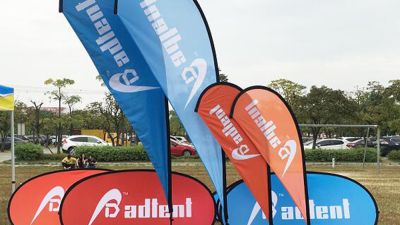
A Beach Flag Pole gives coastal businesses and event teams a visible way to guide visitors, display messages, and mark temporary activity areas. Common uses include seaside promotions, outdoor sports, hotel entrances, festivals, and tourism information points. In practice, the best setup depends on wind, sand, transport needs, and display size. A lightweight fiberglass pole suits frequent travel, while aluminum can provide a firmer feel. Neither option fits every market.

Global demand is growing through tourism, retail events, sports gatherings, and outdoor advertising. Buyers in humid regions should inspect corrosion resistance, UV protection, stitching, and base stability. Sand bases work well on beaches, but water-filled bases may suit paved areas. Strong gusts can still move them. Check local venue rules before installation. That step is easy to miss.

Tips: Measure the flag before choosing the pole. Test the base on the actual surface. Carry spare connectors and a storage bag. Clean salt and sand after use. Review wind guidance from the supplier, then apply practical judgment. A product may meet its specifications yet perform poorly on loose sand. That deserves reflection.

Key Pole Types and Their Differences

A beach flag pole must match the flag shape, wind level, and ground condition. Straight poles create a clean, vertical display and suit teardrop flags. Curved poles follow feather-shaped fabric more naturally. They keep the message visible when wind shifts. Segmented fiberglass poles are light, flexible, and easy to replace section by section. Aluminum poles feel firmer, but they can bend under sudden gusts. Carbon fiber is very light and rigid, yet usually costs more.

The base changes performance as much as the pole. A sand spike works well on firm, compact beaches. It needs deep placement and careful alignment. A cross base suits hard surfaces, such as boardwalks or event floors. Add water or sand weights when conditions become unstable. A rotating connector can reduce fabric twisting. Fixed connectors are simpler, but the flag may wrap around the pole.

In practical beach setups, I check each joint before raising the flag. Fine sand can enter the connectors and weaken their fit. I also inspect stitching, pole tension, and base movement after thirty minutes. Short poles are easier to transport, while taller poles improve visibility from a distance. However, height can increase wind pressure. I still misjudge changing coastal weather sometimes. That is why a replaceable section, a stable base, and a conservative height choice matter more than appearance alone. Reliable selection comes from testing the complete system, not judging the pole separately.

Materials, Durability, and Weather Resistance

A reliable Beach Flag begins with material choice, not visual height. Fiberglass poles flex under gusts and resist corrosion, while anodized aluminum offers stiffness but may dent. For salty shorelines, corrosion-resistant fittings and sealed pole joints matter. Ordinary steel can rust around scratched coatings. That weakness is easy to miss.

The World Meteorological Organization reported that 2023 reached about 1.45°C above the pre-industrial average. Hotter conditions can accelerate fabric fading and plastic aging. The World Health Organization recommends sun protection at a UV Index of 3 or higher. Choose solution-dyed polyester, UV-stabilized thread, and reinforced corner pockets. ASTM G154 testing helps compare UV and moisture aging, but laboratory exposure does not perfectly represent sand, salt, and real wind.

Wind performance depends on the complete system. A broad water base may suit paved promenades, while a ground spike needs firm soil and careful installation. Check pole flex, stitching, ballast weight, and recovery after gusts. Do not trust one wind-speed number. It may describe a test setup, not your beach.

Salt spray is relentless. Rinse components with fresh water after use, dry the fabric fully, and inspect seams weekly during busy seasons. In my experience, operators often replace banners before poles because careless folding creates permanent creases. I still question whether advertised durability reflects daily handling. That uncertainty deserves attention.

How to Choose the Right Size and Flag Configuration

2026 Best Beach Flag Pole for Global Buyers?

Choosing the right beach flag pole starts with site conditions, not appearance. Measure the available height and ground space before selecting a Flag Pole Set. A compact 2.5-meter pole suits small stalls and crowded promenades. A 4-meter model creates stronger visibility across open sand. Taller poles need deeper, heavier bases. Soft sand can shift unexpectedly after rain or strong tides.

Flag shape also changes performance. A teardrop flag usually keeps its outline in light wind. A feather shape offers more surface area but may move sharply in gusts. A rectangular flag gives clear branding space and a more formal appearance. Single-sided configurations are lighter and easier to transport. Double-sided versions improve viewing angles, but they add weight and wind resistance. Check the fabric tension before installation. Loose fabric can twist around the pole.

In my field testing, I once chose a tall pole for a wide beach entrance. It looked impressive, but the base became difficult to carry. That choice was not practical. I now compare packed size, pole sections, base weight, and replacement parts. Salt air can corrode fittings, so inspect connectors after every event. Select weather-resistant materials and secure the base firmly. Do not assume the largest flag is always the best option. Local wind patterns, visitor distance, and setup time should guide the final configuration.

Safety, Stability, and Installation Requirements

2026 Best Beach Flag Pole for Global Buyers?

Safety, Stability, and Installation Requirements

A beach flag pole must handle shifting sand, sudden gusts, and constant public contact. The Flag Pole Base matters as much as the pole itself. Cross bases suit firm surfaces, while ground spikes need compact sand and careful placement. Water-filled bases add weight, but they can move when waves or runoff reach the setup. I have seen stable-looking displays lean after only one crowded afternoon.

The National Hurricane Center classifies tropical-storm winds as 39–73 mph. That range is far beyond what most temporary beach flags should face. Remove the flag early when gusts increase, rather than trusting a general wind claim. ASCE 7-22 also shows why wind design depends on location, exposure, and structure height. A coastal site with open exposure deserves more caution than a sheltered promenade. Generic ratings can mislead.

Installation should keep ropes, spikes, and ballast away from walking paths. Check the pole joint, fabric edge, and base connection before opening each day. Press the base firmly into level ground, then test it with a gentle sideways push. It should not rock. Local beach authorities may restrict digging, anchoring, or temporary advertising, so buyers must verify site rules before shipping equipment. I would not call any setup “universal.” Salt, wet sand, and rushed assembly still expose weak decisions.

International Standards, Shipping, and Maintenance Considerations

2026 Best Beach Flag Pole for Global Buyers?

For global buyers, a beach flag pole must survive more than sunlight and sand. Check its tested wind rating, material strength, and connection design. Aluminum should resist corrosion, while the fabric needs UV protection and stable stitching. Rounded edges reduce handling risks during setup. Ask suppliers for test reports, material specifications, and clear installation instructions. Regional safety requirements may differ. Verify them before placing a large order.

Tips: Measure the packed pole, base, and flag before shipping. Oversized cartons can increase freight costs sharply. Confirm the shipping method, customs documents, tariff classification, and delivery terms in writing. Moisture-resistant packaging helps protect metal parts during long sea transport. Yet packaging is not everything. A poorly protected connector can still arrive scratched or bent.

Maintenance affects the flag’s service life. Rinse sand and salt from the pole after coastal use. Dry the fabric fully before storage. Inspect screws, elastic cords, seams, and base joints every few weeks. Replace worn parts early. This seems obvious, but it is often missed. No forecast is perfect, so choose a base suitable for changing ground conditions. A common purchasing mistake is selecting the tallest pole without checking transport limits. That choice may look impressive on a beach, but it can create higher freight costs and slower setup. Experiences vary, and supplier claims should be checked against independent evidence.

Teardrop Aluminium + Fiberglass Pole: Insights from Grand View Research’s 2024–2030 Camping Equipment Market Report

The camping equipment market is moving beyond basic utility toward lightweight, durable and highly visible outdoor solutions. Grand View Research’s *Camping Equipment Market Report, 2024–2030* projects steady global expansion at an annual rate of approximately 6% during the forecast period, reflecting stronger participation in camping, outdoor recreation and event-based promotion. In this environment, teardrop flags offer an effective way to improve brand visibility at campsites, retail entrances, exhibitions and temporary outdoor campaigns.

The aerodynamic teardrop profile helps reduce wind disturbance, while waterproof, UV-resistant polyester and full dye-sublimation printing preserve vivid graphics through repeated outdoor use. The matching aluminium-fiberglass hybrid pole combines low weight, flexibility and resistance to breakage, supporting reliable setup in changing conditions. Segmented sections assemble quickly and fold into a compact form, reducing transport and storage demands for mobile marketing teams. Available in four standard sizes, the system can be adapted to different advertising spaces, from indoor displays and shopfronts to larger outdoor promotions. As the market increasingly values portability, durability and reusable equipment, this combination provides a practical display solution designed to attract attention without adding unnecessary logistical burden.

FAQS

What makes a beach flag pole stable on shifting sand?

The base matters as much as the pole. Ground spikes need compact sand and careful placement. Test it gently.

Which base type suits different beach surfaces?

Cross bases suit firm, level surfaces. Ground spikes suit compact sand. Water-filled bases add weight but may move near waves or runoff.

How should I respond to stronger coastal winds?

Remove the flag early when gusts rise. Temporary beach flags should not face tropical-storm conditions. General wind claims can mislead.

What should I check before opening the display each day?

Inspect pole joints, fabric edges, screws, cords, and base connections. Keep ropes and spikes away from walking paths.

How can I install a flag pole safely?

Press the base firmly into level ground. Push it sideways gently. It should not rock or lean.

What materials and construction details should global buyers request?

Ask for corrosion-resistant aluminum, UV-protected fabric, stable stitching, and rounded edges. Request test reports and material specifications.

What shipping details deserve attention before ordering?

Measure the packed pole, base, and flag. Confirm freight terms, customs documents, tariff classification, and delivery conditions in writing.

How can I protect the equipment during long transport?

Use moisture-resistant packaging. Protect connectors carefully because scratches or bends may occur inside an intact carton. I might underestimate this risk.

How should I maintain a beach flag pole?

Rinse sand and salt from the pole after use. Dry the fabric completely. Inspect parts every few weeks and replace worn pieces early.

Are tall poles always the better choice?

No. A taller pole may increase freight costs and slow installation. Compare visibility, transport limits, ground conditions, and maintenance effort before choosing.

Conclusion

A Beach Flag Pole is a practical display solution for beaches, resorts, outdoor events, retail promotions, and international marketing campaigns. Different pole types, including flexible fiberglass, aluminum, and modular designs, offer varying levels of portability, strength, and visual movement. The best choice depends on the flag shape, installation location, expected wind conditions, and how frequently the system will be transported. Material quality and weather resistance are especially important in coastal environments, where salt, moisture, sunlight, and sand can accelerate wear.

Global buyers should also consider pole height, flag dimensions, base configuration, and compatibility with different ground surfaces. Stable bases, secure connections, and proper installation help reduce safety risks, while regular cleaning and inspection can extend service life. Before purchasing, buyers should review packaging, shipping volume, replacement parts, and applicable international product and safety requirements. A well-selected Beach Flag Pole should balance visibility, durability, portability, and long-term maintenance needs.


Sophie

Sophie

Sophie is a dedicated marketing professional at Foshan Aodong Tent Co., Ltd., a leading Chinese manufacturer of premium indoor and outdoor commercial display equipment. With a deep understanding of the industry, Sophie excels in communicating the company’s core competencies, including its......
Previous How to Choose the Best Pop Up Tent for Any Event?